Theopolis Logo

Writing

Explore our collection of theological essays, biblical studies, and reflections on faith and culture.

See all
img_5862
Culture

Birmingham Life and Culture Series

There’s something about joy that is infectious. And occasionally, we all have the opportunity to be in someone’s presence who is so happily engaged in their work, so joyous in their pursuits, that we want to learn from them. We want to know where that joy comes from and attain…

by Brian MoatsOctober 23, 2015
img_6077
How to Worship

How To Change the World, (Part 1)

Jesus has told us that He intends all nations to be discipled. Nations. Not just individuals. All nations as theocracies. That being the case, the Church exists for the life of the world. Being baptized is not only a matter of becoming part of a new family, it is also…

by James B. JordanOctober 22, 2015
branagh-macbeth
Literature

Adam, Saul, Macbeth

Harold Bloom’s essay on Macbeth includes the kind of penetrating insights that make Bloom the great Shakespearean scholar that he is, but it also includes his typical and intense anti-Christian bias. “If Lear was pre-Christian, then Macbeth is weirdly post-Christian. There are, as we have seen, Christian intimations that haunt…

by Ralph Allan SmithOctober 20, 2015
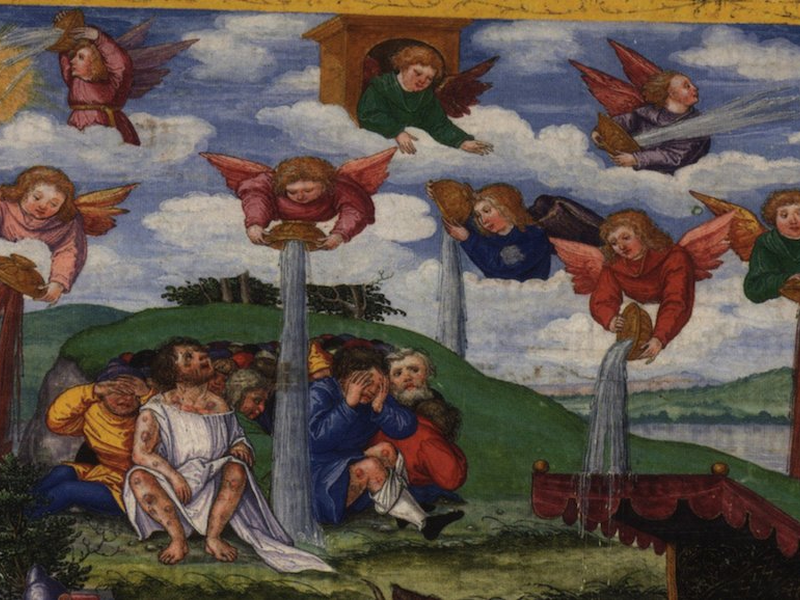
bowls
Revelation

Inverted Atonement

Revelation 16 is a day of atonement text. The tabernacle of the testimony has been opened (15:5). The angels who receive the bowls are clothed in linen (15:6), the clothing of the high priest when he goes into the sanctuary on the day of atonement (Leviticus 16:4). The temple is…

by Peter LeithartOctober 15, 2015
img_9025
Biblical Studies

Music and Hermeneutics

From time to time, when I’ve lectured on how to read the Bible, I’ve used art-music as one example thereof. When we listen to a simple folk song, we hear the same melody over and over again, but this is not how composers write "high" music. Let me amplify. A…

by James B. JordanOctober 13, 2015
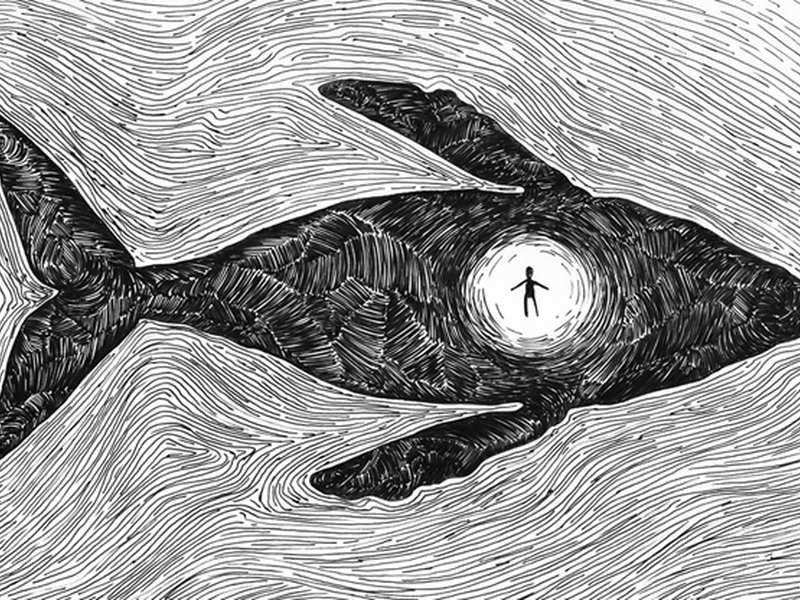
schlanger_jonah_prison_090913_620px
Biblical Studies

In the Fish: The Church as Tomb

"For just as Jonah was three days and three nights in the belly of the sea-monster, so will the Son of Man be three days and three nights in the heart of the earth" (Matthew 12:40). Some reflections on Jonah’s Big Fish have led to the following essay. Let me…

by James B. JordanOctober 8, 2015

Showing page 142 of 309

See all

Showing page 37 of 43

See all
Literature

Sigurd’s New Order

Perhaps Sigurd, like Orestes, marks the beginning of a new order. Before Sigurd, the only absolute loyalties in the world of the Volsungs were family loyalties, loyalties of blood. Signy has no loyalty to her husband and encourages Sigmund to kill her sons. But Sigurd seems as loyal to his…

October 31, 2003

Religion in Europe

In Italy, there is a raging debate over a judge’s ruling that crucifixes need to be removed from schools. Seems that Europe, where religion (or religions) is still often a part of government education and where state churches still exist, is beginning to play catch up with American secularism.

October 31, 2003
Literature

Sigurd and the Dragon

In the introduction to his translation of the Volsung Saga, Jesse Byock points out that the scene of Sigurd slaying the dragon was employed on numerous churches throughout Scandinavian countries. The Christological dimensions of a dragon-slayer are obvious, but there is even more going on with Sigurd: He not only…

October 31, 2003

Differance

In an essay on “The Hermeneutics of Difference” in a volume edited by Merold Westphal, Garrett Green offers this helpful summary of Derrida’s conception of supplement: “The fundamental hermeneutical situation in which we all find ourselves as users of signs, which Derrida indicates by the word DIFFERANCE, means that no…

October 31, 2003

Oats

From Dr. Johnson’s dictionary, a definition of “Oats”: “A grain, which in England is generally given to horses, but in Scotland supports the people.”

October 31, 2003

Nothing Outside the Text

In his book “Is There A Meaning in This Text?” Kevin Vanhoozer explains Derrida’s dictum that “there is nothing outside the text” by saying that everything is part of a signifying system or classification system that is constituted by differences. He offers this illuminating illustration: “a Ford has its particular…

October 31, 2003

Showing page 2174 of 2212

Browse by Category

In Medias Res

Your weekly digest for all things Theopolis.

Donate

Theopolis is nearly 100% donor-supported. Consider joining us on our mission.