Theopolis Logo

Writing

Explore our collection of theological essays, biblical studies, and reflections on faith and culture.

See all
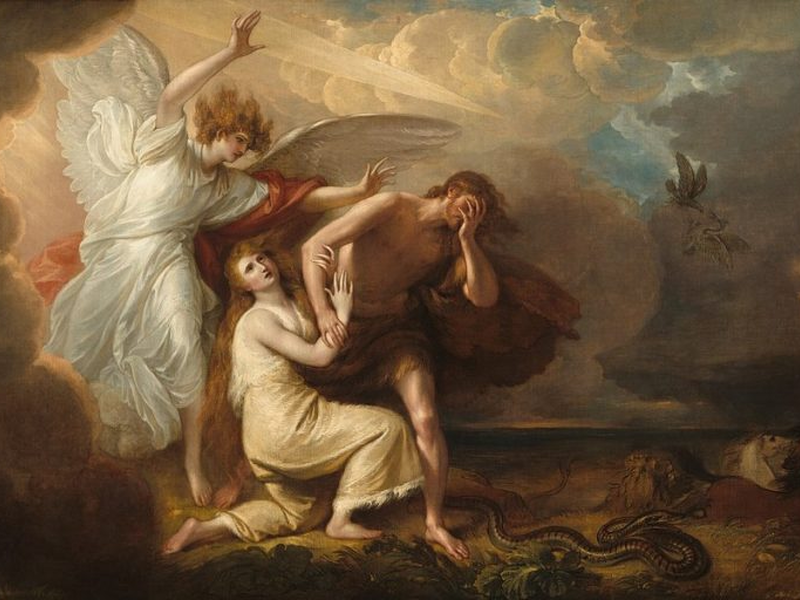
adam-and-eve-garden-768x512
Biblical Horizons

The Dominion Trap

In Genesis One, God told Adam and Eve to "be fruitful and multiply, and fill the earth, and subdue it; and rule over the fish of the sea and over the birds of the heavens, and over every living thing that moves on the earth" (Gen. 1:28). In Christian worldview…

by James B. JordanJuly 2, 1990

ivan-aleksic-16yxcjsoaek-unsplash
Biblical Studies

Building the Church

"And I also way to you that you are Peter, and upon this rock I will build My church; and the gates of Hades shall not overpower it" (Matthew 16:18). Matthew 16:13ff. has historically been one of the most oft-cited passages of Scripture. Throughout the Middle Ages, it was used…

by Peter LeithartJune 19, 1990
timothy-eberly-djj49s6ud2o-unsplash
Matthew

Ephraim in Redemptive History

One of the important themes of the synoptic gospels is Jesus’ rejection of Israel and the transfer of God’s favor to the New Israel, the Church. A clear statement of this theme is found in the parable of the vineyard owner in Matthew 21:33-46. Jesus explained the meaning of the…

by Peter LeithartJune 19, 1990
original
Biblical Horizons

Advice From a Sojourner, Part 7

11. There is a type of person [a generation] who curses his father, And does not bless his mother. 12. There is a type who is pure in his own eyes, Yet not washed from his filthiness [manure]. 13. There is a type — oh how lofty are his eyes!…

by James B. JordanJune 2, 1990
mick-haupt-eq2z9ay9wws-unsplash
Leviticus

A Male Without Defect

Under the Levitical law, whole-burnt offerings from the herd and flock had to be male. No such specification is made with respect to birds (cf. Lev. 5:7-10). Why did the Lord demand that only males be offered as whole-burnt offerings? The easy answer is that the whole-burnt offering typified Christ,…

by Peter LeithartMay 19, 1990
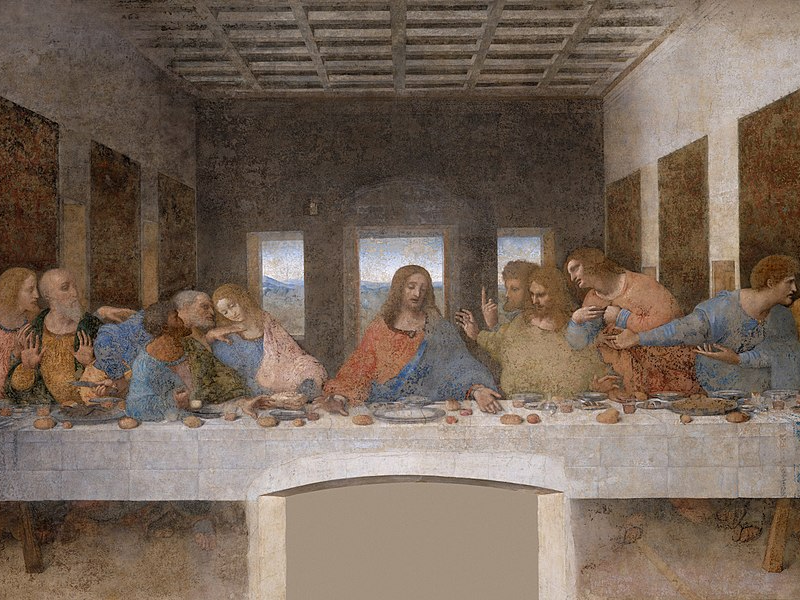
the_last_supper_-_leonardo_da_vinci_-_high_resolution_32x16
Matthew

He Shall Be Called A Nazarene

Matthew 2:13-23 has a tripartite structure, reporting briefly three events of the early years of Jesus’ life. Matthew ends his narrative of each event with a "fulfillment formula." Jesus’ flight to Egypt and His Exodus back into Israel was a fulfillment of Hosea’s words, "Out of Egypt I call my…

by Peter LeithartMay 19, 1990

Showing page 303 of 309

See all

Showing page 37 of 43

See all
History

Enlightenment

Two very different evaluations of the Enlightenment appear in recent books. First from Robert Darnton, historian of the French Enlightenment, who, according to the reviewer in the October 6 TNR , devotes the first and most substantative essay in his recent book George Washington’s False Teeth to defending the Enlightenment.…

October 20, 2003
Biblical Studies

Promised Land and Heaven

There’s a breakdown in the traditional typology that links “promised land” with “heaven.” Though the promised land is eschatologically a new heavens and new earth, the typology is more exactly fulfilled in the church’s fulfillment of the great commission on earth. After all, we don’t embark on a “conquest” of…

October 18, 2003
Biblical Studies

Moses the Matchmaker

Moses is the matchmaker who brings the bride to a trysting place with her lover, Yahweh. He is the “friend of the bridegroom” who, like John the Baptist, prepares the bride for her husband. As such, Moses and John are models for all Christian ministry, which is also all about…

October 18, 2003
Biblical Studies

Horned Man

Something to check: Is Moses the first “horned man” in the Bible? He comes down from the mountain, having seen the glory of God, with “horns” on his head, rays of glory radiating out. This may be the source of the horned man image used elsewhere, in the Psalms for…

October 18, 2003

“From Faith” (Rom. 1:17)

Douglas A. Campbell argues forcefully for interpreting the phrase ek pisteos (from faith) in Romans 1:17 as a reference to the faithfulness of Christ in his obedience to death. This, in turn, suggests strongly that Paul’s later use of pistis Christou (faith of Christ) as Christ’s own faithfulness rather than…

October 18, 2003

“From Faith” (Rom. 1:17)

Douglas A. Campbell argues forcefully for interpreting the phrase ek pisteos (from faith) in Romans 1:17 as a reference to the faithfulness of Christ in his obedience to death. This, in turn, suggests strongly that Paul’s later use of pistis Christou (faith of Christ) as Christ’s own faithfulness rather than…

October 18, 2003

Showing page 2181 of 2212

Browse by Category

In Medias Res

Your weekly digest for all things Theopolis.

Donate

Theopolis is nearly 100% donor-supported. Consider joining us on our mission.