Theopolis Logo

Writing

Explore our collection of theological essays, biblical studies, and reflections on faith and culture.

See all
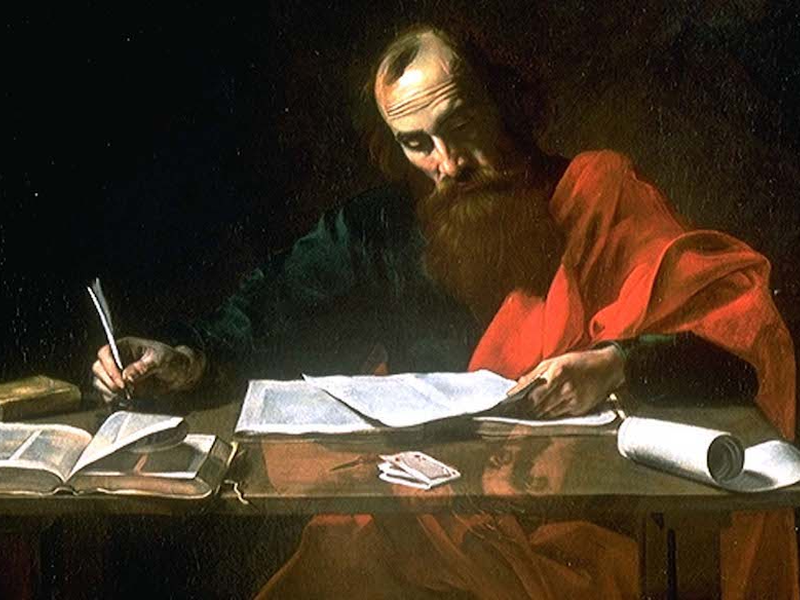
paul-2
Romans

Notes on Scary Stuff in Romans 9

What shall we say then? Is there injustice on God’s part? By no means! For he says to Moses, “I will have mercy on whom I have mercy, and I will have compassion on whom I have compassion.” So then it depends not on human will or exertion, but on…

by Mark HorneFebruary 5, 2015
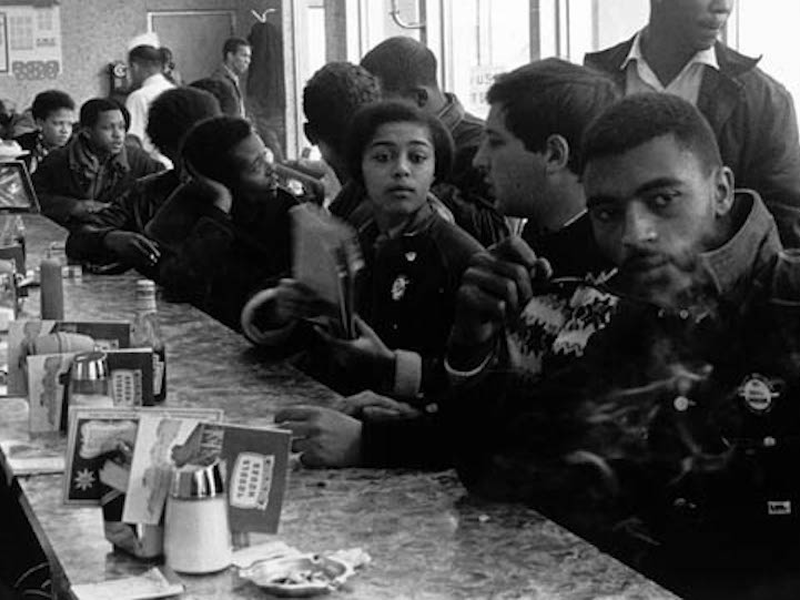
lunch-counter
American Politics

Covenants of Exclusion

A hundred years ago, William Warley signed a contract to buy a house in Louisville, Kentucky from Charles Buchanan, a white man. Before closing the sale, Warley, who was black, learned that the lot was subject to a city ordinance barring blacks from occupying the premises if most of the…

by Brendan O'DonnellFebruary 3, 2015
shakespeare-2
Literature

The Bard and the Book

I concluded the first essay on this topic by saying that I would introduce three books about Shakespeare and the Bible, but I decided to introduce four instead. The three books become four are: Naseeb Shaheen, Biblical References in Shakespeare’s Plays (London: Associated University Presses, 1999) ; Hannibal Hamlin, The…

by Ralph Allan SmithJanuary 29, 2015
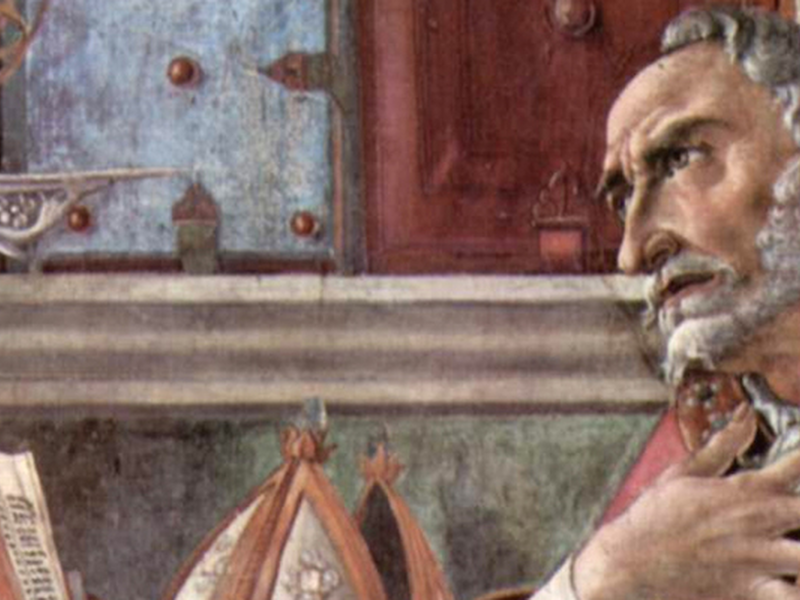
augustine-2
Augustine

Augustine on Pagan Virtue

My children attend a classical Christian school, situated in the independent “free church” evangelical tradition. Over the past few years they have been growing in their acquaintance with the world of Homer, Plato, Virgil, and Livy. They enjoy it, and I envy it. The school is a great school. My…

by Gerald HiestandJanuary 27, 2015
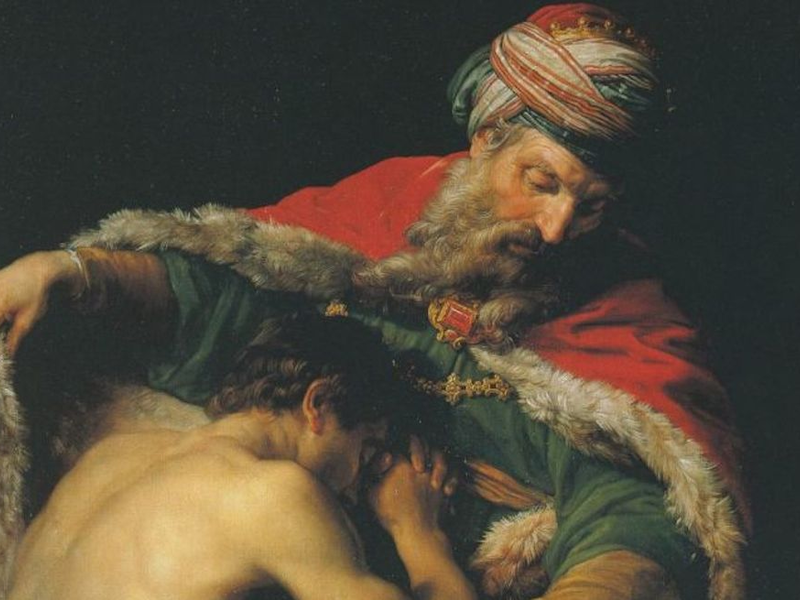
prodigal-son
Atonement

The Prodigal and the Cross

The Prodigal Son parable (Luke 15) has been a favorite of liberal theologians for a couple of centuries. It seems to be a parable designed for liberal sensibilities: An indulgent, accepting Father; forgiveness extended without a cross; a surly older brother who might represent the "conservative" face of religion who…

by Peter LeithartJanuary 22, 2015
sky-from-bridge
Ascension

Underground Man, Ascended Man

“I want now to tell you, gentlemen, whether you care to hear it or not, why I could not even become an insect. I tell you solemnly, that I have many times tried to become an insect. But I was not equal even to that. I swear, gentlemen, that to…

by Richard BledsoeJanuary 20, 2015

Showing page 161 of 309

See all

Showing page 37 of 43

See all
Reformation

Social Sources of Reformation

J ames Davison Hunter calls attention to the urban setting of the Reformation ( To Change the World , 65): “During the sixteenth century, international commerce expanded dramatically. In Eastern Europe and in France, growing revenues accrued to the benefit of the aristocracy who, in turn, used their wealth to…

November 18, 2016
Middle Ages

Preaching to Kings

E arly medieval evangelists had theological reasons for targeting their evangelistic efforts to kings. Kings were heads of political bodies; convert the head, convert the body. In a summary of the Carolingian Renaissance, James Hunter ( To Change the World , 59) offers a more pragmatic reason for the tactic:…

November 18, 2016

Girard’s Achievement

G il Bailie notes in his recently published God’s Gamble (25, 27) that modern thinkers have often pointed to the similarities between gospel and myth as evidence against the uniqueness of Christian faith: “The anthropological discovery of the paschal structure in extant remnants of archaic religion appeared to present a…

November 18, 2016

Natural gessa

I n a critique of Locke’s theory of consent (and more extreme varieties), Stephen RL Clark ( Civil Peace and Sacred Order ) invokes the ancient Irish system of gessa (s. geis ). These are obligations placed “chiefly on great chieftains and warriors, to do or forbear, with the mythological…

November 18, 2016

African Emigration?

A frican immigrants to the US are preparing to leave in the wake of Trump’s victory, reports Quartz . Though not specifically a target of Trump’s assaults on immigrants, they feel they are not welcome. That would be unfortunate, since Africans are among the most educated and qualified immigrants in…

November 18, 2016

Rumination

I n his Not Bread Alone , Nathan MacDonald cites the letter to Aristeas, which includes an early Christian attempt to explain the food laws of Leviticus and Deuteronomy. For Aristeas, the food laws were instructive to human beings. Clean animals ruminate; they encourage us to keep things in memory.…

November 18, 2016

Showing page 230 of 2212

Browse by Category

In Medias Res

Your weekly digest for all things Theopolis.

Donate

Theopolis is nearly 100% donor-supported. Consider joining us on our mission.