Theopolis Logo

Writing

Explore our collection of theological essays, biblical studies, and reflections on faith and culture.

See all
screenshot-2024-06-06-at-8-49-49-am
Biblical Theology

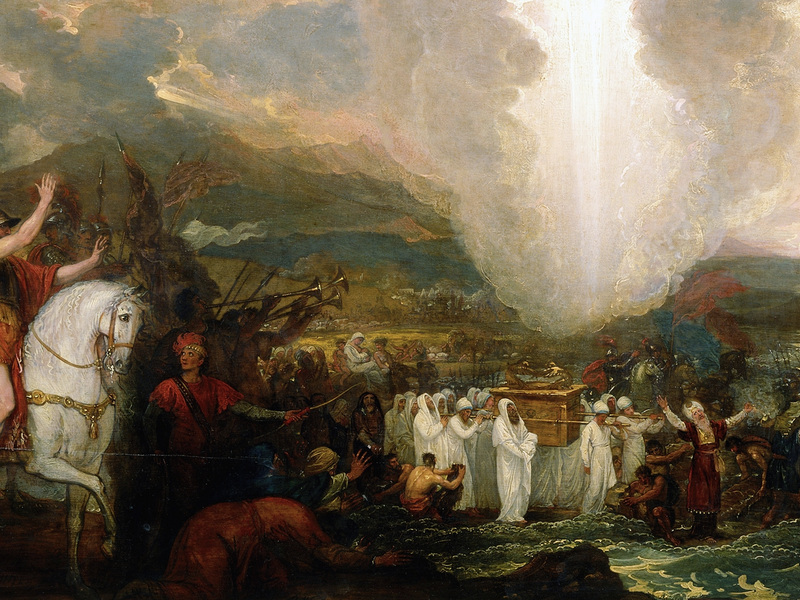
Incarnation, Church, & the New Heart

“And it shall be in those days when you are multiplied and increased in the land,” declares the Lord, “they shall say no more, ‘The Ark of the Covenant of the Lord.’ And it shall not come to mind, nor shall they remember it, nor shall they miss it, nor…

by Mark HorneJune 6, 2004
e99a4713
Grace

Grace & Justice in Unexpected Places

Elsewhere, I have argued that there is grace in the so-called covenant of works (see, e.g., my colloquium essay, “A Response to ‘The Biblical Plan of Salvation,’” in The Auburn Avenue Theology: Pros and Cons , edited by Calvin Beisner (pages 118-148). It may be equally surprising to find justice…

by Rich LuskJune 6, 2004
amjd-rdwan-erymmvvsy1y-unsplash-1
Theologia

Trust & Obey

Years ago, as a layman, I had the privilege of attending a Bible study led by a gifted teacher. His story was interesting: back when he was a student he had been severely sanctioned for affirming that one must repent in order to be saved, that one must trust Jesus…

by Mark HorneJune 5, 2004
daniel-born-yw_qx-i8ln4-unsplash
Theologia

The World is Built on Faith

Believing that God really exists Defining “faith” is sometimes made too complicated. The theologian, Louis Berkhof, for example, distinguishes “faith in general” from “faith in the religious sense and particularly saving faith.” Berkhof’s core definition of saving faith is not so bad. He says that it is “a certain conviction,…

by Mark HorneJune 5, 2004
ben-white-qdy9ahp0mto-unsplash
Apostasy

The Children of Christians Are Christians

It is generally acknowledged that when Paul wrote letters to churches, he expected his letters to be read in the worship service to the congregation. It is interesting, then, that when Paul wrote letters to a congregation he could feel free to address children and tell them to obey their…

by Mark HorneJune 5, 2004
24542-cropped-john-calvin
Ecclesiology

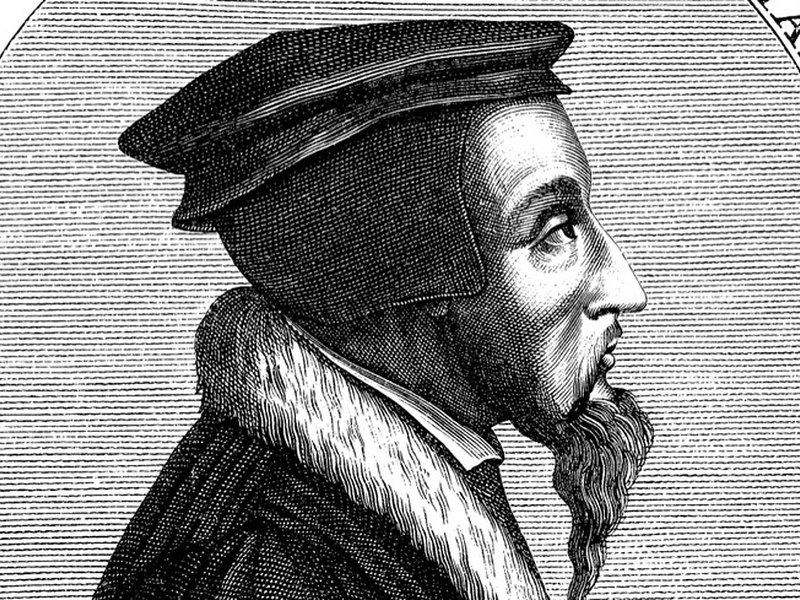
Calvin on the Pastor and Community

Book 4 of Calvin’s Institutes of the Christian Religion is a classic work of ecclesiology. This book is the longest section of the Institutes , showing Calvin’s deep interest in and love for the church. Among its many salutary features is a full scale exposition of those ecclesiastical leaders Calvin…

by Rich LuskJune 5, 2004

Showing page 224 of 309

See all

Showing page 37 of 43

See all

Purity, Pauline Style

In his study of The Concept of Purity at Qumran and in the Letters of Paul , Michael Newton argues that Paul transfers the logic and patterns of purity and cult from the temple to the new temple-community, the church. Relying mainly on Corinthians, Newton writes: “By describing the Christian…

May 12, 2015

Sodom v. Circumcision

A hermeneutical rule of thumb I share with students: Chapter 2 comes after chapter 1. It has many applications, as in “Chapter 18 comes after chapter 17.” Make the observation, then ask, Why? Why is that story there , after this one and before that one? The story of Sodom…

May 11, 2015

Is David Among the Prophets?

After describing the heroes of faith from creation to Jericho with some leisure, Hebrews 11 closes with a rapid-fire survey of everything from the judges on (vv. 32-38). It's a nicely constructed passage. First, six individuals are named, followed by a general reference to “prophets”: Gideon, Barak, Samson, Jephthah, David,…

May 11, 2015

Mark of the Beast

In a 1991 article in the Tyndale Bulletin , Edwin Judge reviews the symbolic resonances of the phrase “mark of the beast,” but notes, rightly that “the visions of Revelation keep disconcertingly coming down to earth” (158). So he looks for historical evidence of a mark imposed by Roman authorities…

May 11, 2015

Anthropology and the Bible

In an essay on atonement in the Jewish Studies Quarterly from the early 1990s, Mary Douglas explains “the social origins of ideas about defilement in general”: Living in a community, people find themselves wanting to keep apart from some dissimilar others and to be included within sets of similars. To…

May 11, 2015

The Imperialism of Liberal Reason

“The ambition of the liberal political philosopher,” writes Paul Kahn ( Putting Liberalism in its Place , 120), is to find that set of arguments that is so compelling that every individual, not corrupted by the illogic of interest, would necessarily affirm those reasons as his own.” Because it assumes…

May 8, 2015

Showing page 428 of 2212

Browse by Category

In Medias Res

Your weekly digest for all things Theopolis.

Donate

Theopolis is nearly 100% donor-supported. Consider joining us on our mission.