Theopolis Logo

Writing

Explore our collection of theological essays, biblical studies, and reflections on faith and culture.

See all
jez-timms-8muutamcwu4-unsplash
Leviticus

Savage Judaism

​Should anthropological categories and tools be applied to Judaism? Seems a narrow and academic question, of interest to maybe ten people on the planet. It's one of the many virtues of Howard Eilberg-Schwartz's 1990 ​The Savage In Judaism to show that the question is a central one in the origins…

by Peter LeithartMarch 10, 2014
Leviticus

Obsessed with Sex?

Christians are often accused of being obsessed with sexual sin. Why can't two people, of whatever sex, do whatever they please in the enclosure of their own room? Who is hurt if a guy wants to get off looking at tantalizing pictures and videos on his computer? What's the big…

by Peter LeithartMarch 5, 2014
francesco_hayez_017
Mark

Binding and Loosing

“No one can enter a strong man’s house and plunder his goods, unless he first binds the strong man. And then he will plunder his house” (Mark 3:27 NKJV). Much commentary on the Revelation seems oblivious to its allusions to the Pentateuch (although there are many that do enlighten us…

by Mike BullMarch 3, 2014
Leviticus

Holiness, Ethics, Ritual

Leigh M. Trevaskis's 2011 monograph, Holiness, Ethics and Ritual in Leviticus , is an outstanding contribution to the study of Leviticus. His main thesis is directed at the world of Old Testament scholarship, in which there is a consensus that the ritual laws of Leviticus 1-16 come from a school…

by Peter LeithartMarch 1, 2014
6273e95e0f5ac766258d8cf3_joshuasconquestoftheland-2
Hermeneutics

Joshua Typology

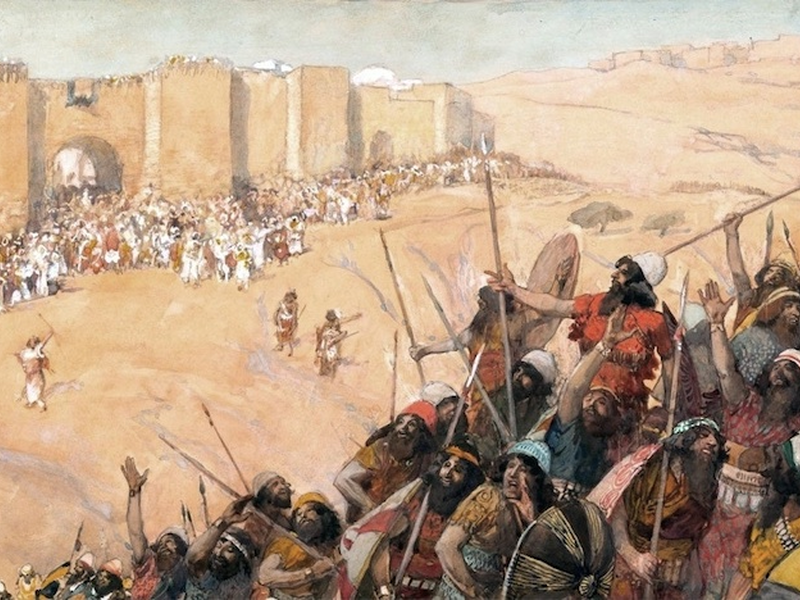
Richard Ounsworth begins his Joshua Typology in the New Testament with an excellent discussion of what he calls "ontological" typology, which he handily summarizes in four points. Typology involves "correspondences between real historical events, personalities, institutions, etc. described in scripture," a correspondence that is discerned (not created) by the reader…

by Peter LeithartFebruary 26, 2014
alfons-morales-ylswjsy7stw-unsplash-1
Theopolis News

Book Release

Baylor University Press is sponsoring a reception to celebrate the official release of Peter Leithart's Gratitude: An Intellectual History . The reception will be held at the First Things offices in Manhattan on Thursday, March 6, at 6 PM. For more details, click here .

by Peter LeithartFebruary 26, 2014

Showing page 178 of 309

See all

Showing page 37 of 43

See all

Anointed Bread

Leviticus is the oilest book of the Bible. The Hebrew shemen is used 42 times (6 x 7); the closest competitor is Numbers, with 34 uses. The uses of shemen are clustered. Leviticus 2 uses the word 9 times, all with reference to the preparation of the tribute offering (…

March 25, 2019
egptian-art

Broken Noses

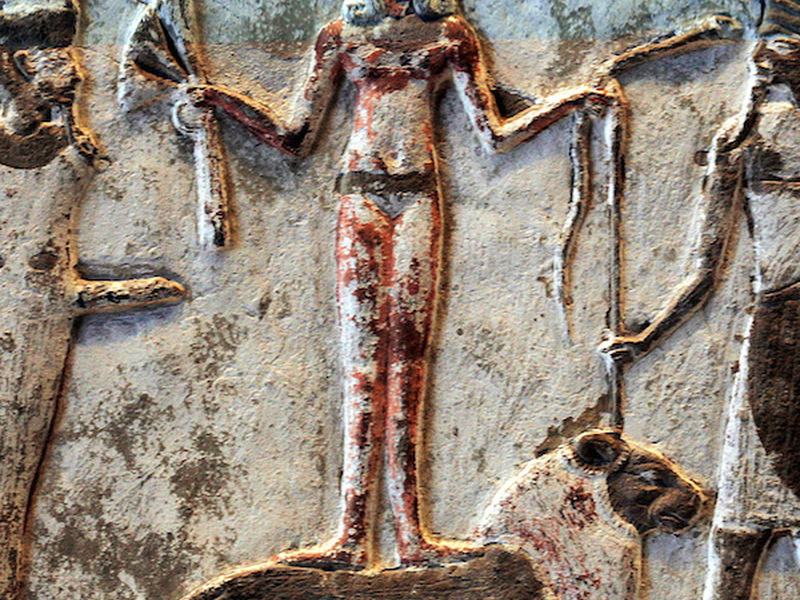
Why do so many Egyptian statues have broken noses? Julia Wolkoff summarizes the answer of Brooklyn Museum curator Edward Bleiberg. Noses protrude, and so are more apt to be knocked off accidentally, but the pattern is too consistent to be accident. Erosion could account for some, but not all. Bleiberg…

March 20, 2019
13714bedda625c2ec1816f0890ed72f4-snow-storms-image-photography
Ecclesiology

Ecclesial Ethics

Some snippets from Philip Turner's Christian Ethics and the Church . The premise of Turner's book is well summarized by a passage he quotes from Sabina Lovibond's Ethical Formation : "The ethical, let us say, pertains to what people learn to value through immersion in a community acquainted with ideas…

March 13, 2019

Nose to Nose

Levitical offerings send a "soothing aroma" ( reyach nichoach ) to Yahweh. Israel needs to produce good smells because her sin is noxious to Yahweh. When Israel rebels, His "nose burns." By slaughtering a substitute animal and turing it to smoke, Israel soothes Yahweh's hot nose. But that can't be…

March 11, 2019
Pneumatology

Reading in the Spirit

“Spiritual reading” is usually associated with patristic, monastic, and medieval modes of reading. It's fruitful, however, to shift the focus and ask what the Spirit has to do with our reading. The Spirit is the enlivening breath of God, the water of God who makes us into a fruitful garden.…

March 6, 2019
capitol-dc
Liberalism

Liberalism and Ecclesia

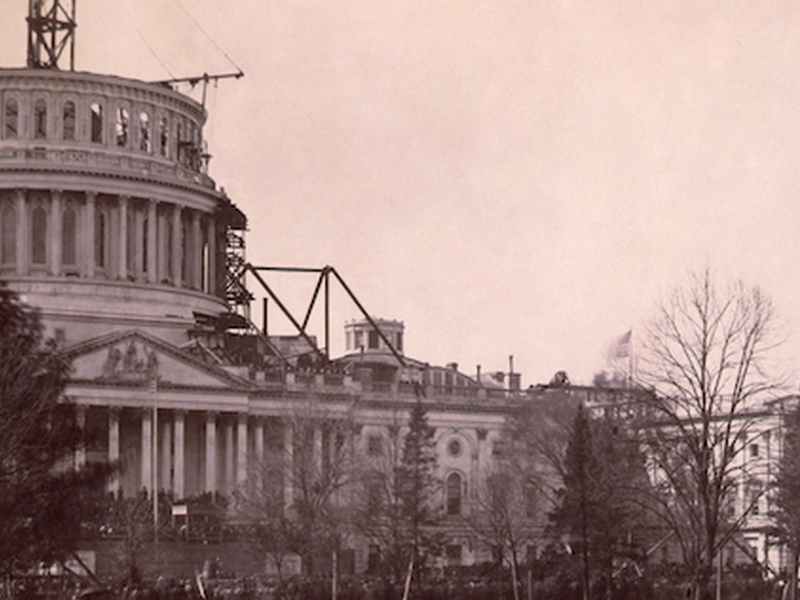
Liberalism is "in origin primarily a refusal of ecclesial power." So write John Milbank and Adrian Pabst ( Politics of Virtue , 31). In refusing ecclesial power, early modern political theorists renounced the arrangement of Latin Christendom. The "first polity knowing no bounds and truly based upon the rule of…

March 4, 2019

Showing page 46 of 2212

Browse by Category

In Medias Res

Your weekly digest for all things Theopolis.

Donate

Theopolis is nearly 100% donor-supported. Consider joining us on our mission.