Theopolis Logo

Writing

Explore our collection of theological essays, biblical studies, and reflections on faith and culture.

See all
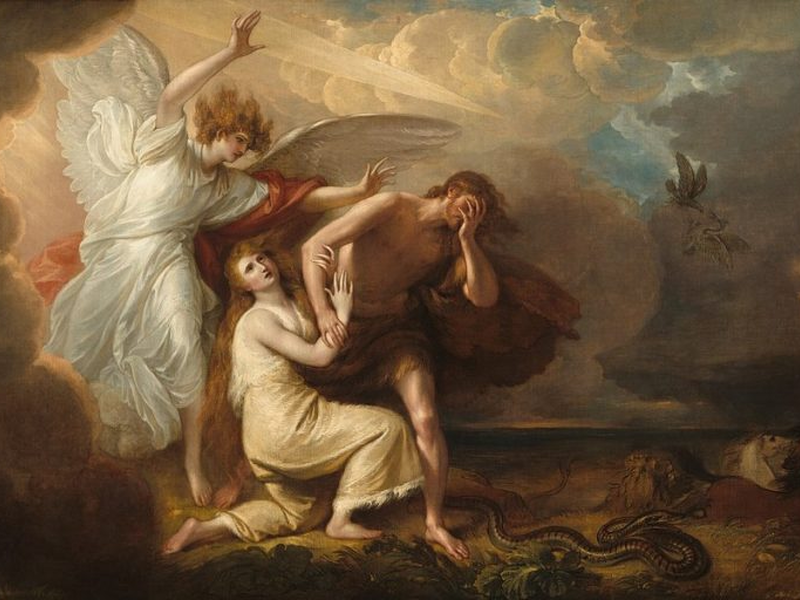
adam-and-eve-garden-768x512
Biblical Horizons

The Dominion Trap

In Genesis One, God told Adam and Eve to "be fruitful and multiply, and fill the earth, and subdue it; and rule over the fish of the sea and over the birds of the heavens, and over every living thing that moves on the earth" (Gen. 1:28). In Christian worldview…

by James B. JordanJuly 2, 1990

ivan-aleksic-16yxcjsoaek-unsplash
Biblical Studies

Building the Church

"And I also way to you that you are Peter, and upon this rock I will build My church; and the gates of Hades shall not overpower it" (Matthew 16:18). Matthew 16:13ff. has historically been one of the most oft-cited passages of Scripture. Throughout the Middle Ages, it was used…

by Peter LeithartJune 19, 1990
timothy-eberly-djj49s6ud2o-unsplash
Matthew

Ephraim in Redemptive History

One of the important themes of the synoptic gospels is Jesus’ rejection of Israel and the transfer of God’s favor to the New Israel, the Church. A clear statement of this theme is found in the parable of the vineyard owner in Matthew 21:33-46. Jesus explained the meaning of the…

by Peter LeithartJune 19, 1990
original
Biblical Horizons

Advice From a Sojourner, Part 7

11. There is a type of person [a generation] who curses his father, And does not bless his mother. 12. There is a type who is pure in his own eyes, Yet not washed from his filthiness [manure]. 13. There is a type — oh how lofty are his eyes!…

by James B. JordanJune 2, 1990
mick-haupt-eq2z9ay9wws-unsplash
Leviticus

A Male Without Defect

Under the Levitical law, whole-burnt offerings from the herd and flock had to be male. No such specification is made with respect to birds (cf. Lev. 5:7-10). Why did the Lord demand that only males be offered as whole-burnt offerings? The easy answer is that the whole-burnt offering typified Christ,…

by Peter LeithartMay 19, 1990
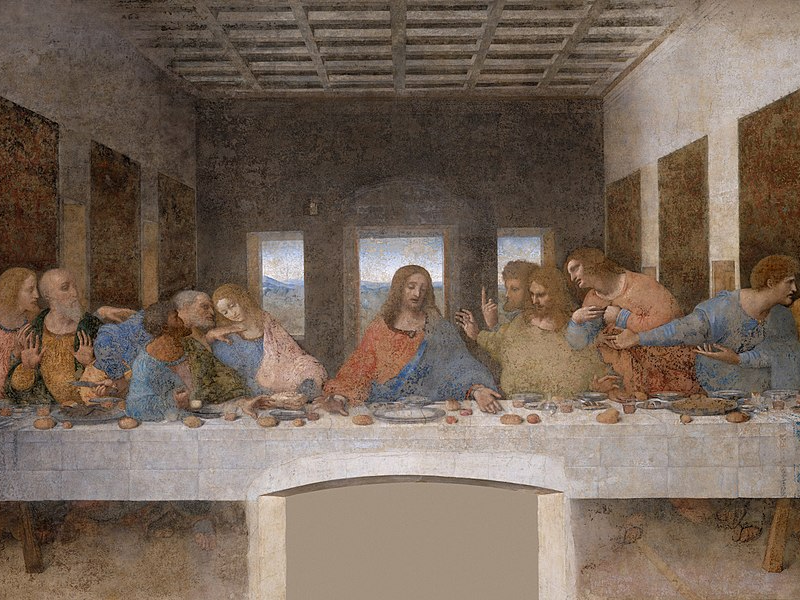
the_last_supper_-_leonardo_da_vinci_-_high_resolution_32x16
Matthew

He Shall Be Called A Nazarene

Matthew 2:13-23 has a tripartite structure, reporting briefly three events of the early years of Jesus’ life. Matthew ends his narrative of each event with a "fulfillment formula." Jesus’ flight to Egypt and His Exodus back into Israel was a fulfillment of Hosea’s words, "Out of Egypt I call my…

by Peter LeithartMay 19, 1990

Showing page 303 of 309

See all

Showing page 37 of 43

See all

Structure in Revelation 11

The account of the two witnesses (Revelation 11:3-13) is arranged in a chiastic order: A. Two witnesses, olive trees, lampstands, vv 3-4 B. Devouring enemies with fire from mouth, v 5 C. Authority to shut up heaven, turn waters, smite earth, v 6 D. Beast from abyss makes war, overcomes,…

February 18, 2015

Who's Afraid of Modern Art?

“ W ho’s afraid of modern art? ” asks Daniel Siedell. He answers, “I am.” As critic and curator, Siedell is passionately devoted to modern art. It frightens him because that is what it’s supposed to do. Munch’s The Scream , for instance, doesn’t just express the painters own anxieties.…

February 17, 2015

Rejoicing in Lament

I n the terrible trial scene in Till We Have Faces , the gods strip away layer after layer of Queen Orual’s self-justification, and when she has been laid bare, she finally has something to say to them: “Lightly men talk of saying what they mean. Often when he was…

February 17, 2015

On Missing the Main Thing

In his 1959 Luther the Expositor , Jaroslav Pelikan remarked on the tendency of church historians to neglect the main thing in theologians of the past: “Entire histories have been written - histories of a whole section of the church, of an era in church history or of a major…

February 17, 2015

God and Constantine

According to Augustine, all of Constantine’s achievements were gifts of God ( City of God , 5.25): He “gave to the Emperor Constantine, who was not a worshipper of demons, but of the true God Himself, such fulness of earthly gifts as no one would even dare wish for. To…

February 17, 2015

Reforming Council

Donald Norwood reminds us in Reforming Rome that the Reformers were eager for a ecumenical council to resolve the conflicts sparked by the Reformation. In 1560, Calvin writes, “In order to put an end to the divisions which exist in Christianity, there is need to have a free and universal…

February 16, 2015

Showing page 462 of 2212

Browse by Category

In Medias Res

Your weekly digest for all things Theopolis.

Donate

Theopolis is nearly 100% donor-supported. Consider joining us on our mission.