Theopolis Logo

Writing

Explore our collection of theological essays, biblical studies, and reflections on faith and culture.

See all
tanner-mardis-xuxghzhibn4-unsplash-1-2
Biblical Studies

Tweets-turned-Notes on the Bible’s Chronology

Summary In what follows, I will consider the “year-stamps” employed in Scripture, i.e., statements of the form, “Such-and-such an event took place in the Xth year of Y.” In the process, I will suggest some ways in which the Biblical narrative might relate to events in the extra-Biblical world, though…

by James BejonJuly 16, 2019
durer-prodigal-son-2
Luke

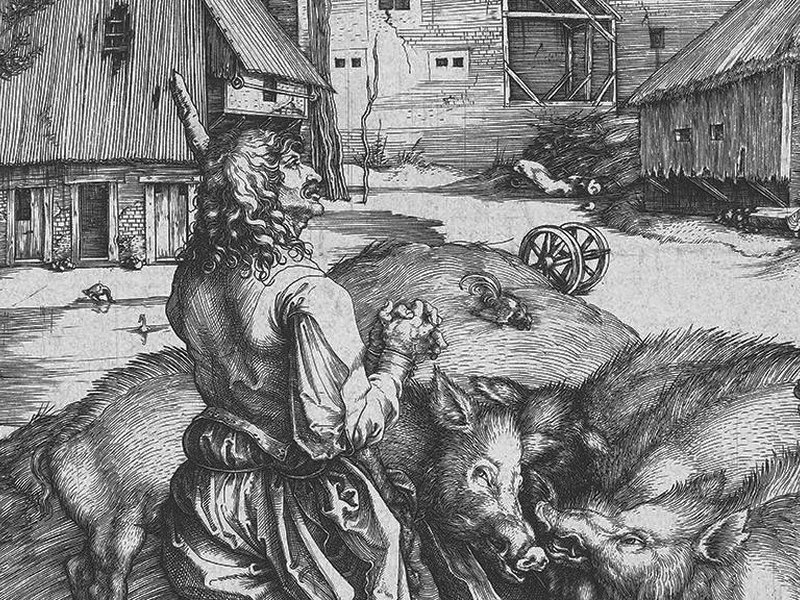
Perspectives on the Prodigal, (Part 2)

In the first essay on the parable of the Prodigal Son, I suggested that the problems commentators and others encounter in interpreting Jesus three-part parable are not accidental. These are not just problems in our ignorance of cultural background. They are intentional features of the stories —stories designed to poke…

by Ralph Allan SmithJuly 11, 2019
durer-prodigal-son-2
Luke

Perspectives on the Prodigal, (Part 1)

The story of the Prodigal Son is perhaps the most well-known story in the Bible. As others have observed, it may also be one of the most misunderstood. In two short essays, I will point out features of this story that are commonly neglected, aspects of Jesus’ parable that might…

by Ralph Allan SmithJuly 9, 2019
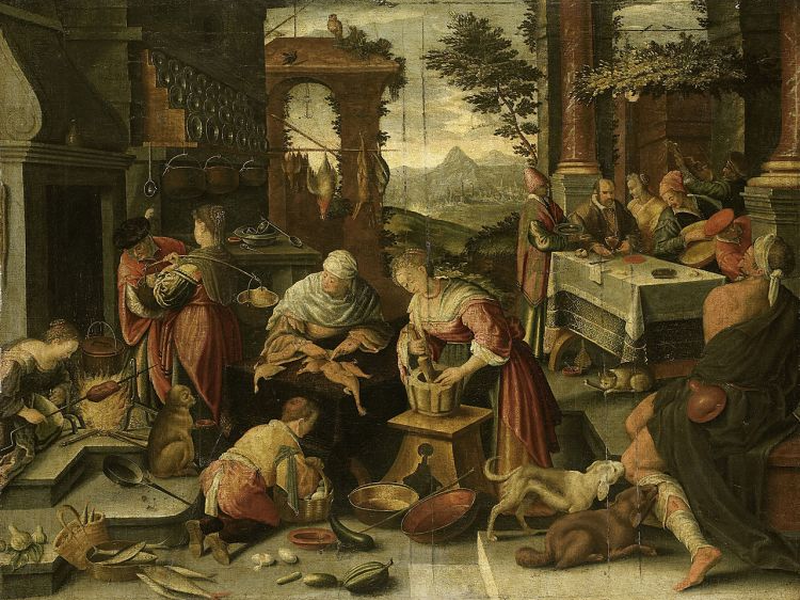
de-rijke-man-en-de-arme-lazarus-by-jacopo-da-ponte-16th-century
Luke

Lazarus and the Rich Man

The parable of Lazarus and the nameless rich man is not an independent story. It is part of a long context that begins in Luke 15:1, where Jesus is eating with tax collectors and sinners and the scribes and Pharisees grumble. In response to their hardheartedness, Jesus tells a three-part…

by Ralph Allan SmithJuly 4, 2019
aaron-burden-uynrnfdkjwg-unsplash
Luke

Everybody has Dropsy - Luke 14:1-24

The Bible is written so that even when a reader cannot pick up on what might be deeper or more detailed aspects of a text, there is virtually always a message to be heard. In the ancient world, where the “reader” of Scripture would likely be a church official facing…

by Ralph Allan SmithJuly 2, 2019
communion
Biblical Theology

Fruit Trees and Grain Plants

The distinction between garden (or vineyard) and field begins in Genesis 2. This relates to the ordering of the formless world. Plants of the field are contrasted with the garden planted by God in Genesis 2:5&8. Later on, under the Old Covenant the Israelites will be required to keep their…

by James B. JordanJune 27, 2019

Showing page 77 of 309

See all

Showing page 37 of 43

See all

Prayer Army

In the first phase of the sixth trumpet, a voice instructs the trumpet angel to release the four angels at the Euphrates (Revelation 9:14). When they do, a 200 million horse cavalry appears. It’s a huge army; what sort of army is it? The horsemen and horses are terrifying, fire-breathing…

October 30, 2014

Old Marcionism Writ Large?

More than one scholar has asked whether the new “apocalyptic” Paul is a Marcionite Paul. Douglas Moo has accused Douglas Campbell’s Deliverance of God of presenting a Paul who teaches an “incipient Marcionism.” Contributors to Beyond Old and New Perspectives on Paul raise similar concerns about Campbell more gently. David…

October 30, 2014

Francis and Science

With all the pomp of an intrepid investigative reporter who has uncovered the next Watergate, Jerry Coyne announces that Catholics believe that God created the world: “The Church’s support of evolution, then, has been equivocal: while allowing that humans had evolved, it also affirmed human exceptionalism in the form of…

October 30, 2014

Aqedah and Atonement

Douglas Campbell ( Deliverance of God , 640-656) solves a number of issues at a stroke with his complex, layered explanation of Paul’s use of hilasterion in Romans 3:25. The word is used most commonly in the LXX to refer to the “mercy seat” above the ark, especially in connection…

October 29, 2014

Circumcision and Promise

Douglas Campbell suggests ( Deliverance of God , 739-40) that Genesis 17:5 creates a problem for Paul. There, God promises that Abraham will be the father of many nations, but ties that promise to circumcision. Campbell writes, the birth of Isaac, though whom this promise is realized, “creates a difficult…

October 29, 2014

Righteousness in Person

Douglas Campbell ( Deliverance of God , 749) convincingly suggests that the promise to Abraham is specifically embodied in his son Isaac: “Abraham is convinced that God is capable of giving him an heir. And if God does so, then the further promises are enabled - more offspring, land, and…

October 29, 2014

Showing page 506 of 2212

Browse by Category

In Medias Res

Your weekly digest for all things Theopolis.

Donate

Theopolis is nearly 100% donor-supported. Consider joining us on our mission.