Theopolis Logo

Writing

Explore our collection of theological essays, biblical studies, and reflections on faith and culture.

See all
trnava-university-beeyeib-am8-unsplash
Biblical Chronology

Meredith G. Kline Strikes Back, Part 2

In our first essay we looked at Kline’s flawed exegesis of Genesis 2:5 as it relates to Day 3 of creation. Now we turn to Kline’s new argument against a chronological reading of Genesis 1, as found, again, in "Space and Time in the Genesis Cosmogony," Perspectives on Science and…

by James B. JordanMarch 29, 1997
30211-bathsheba-800w-tn
Hermeneutics

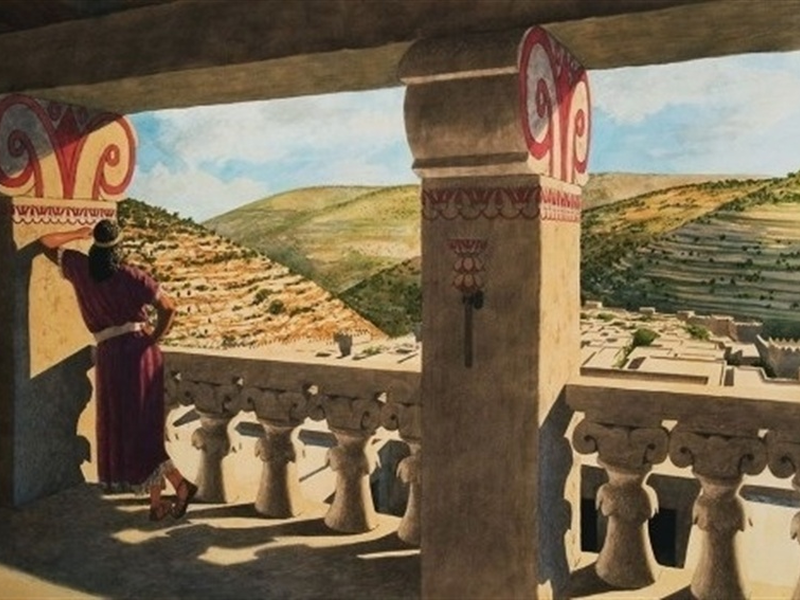
Bathsheba: The Real Story

One of the advantages of paying very close attention to the details in the Bible, especially chronological and genealogical details, is that they can shed light on situations that don’t seem to make much sense apart from them. One such situation is that of Bathsheba. It appears that Bathsheba willingly…

by James B. JordanMarch 28, 1997
jonathan-cooper-ygxq7hfdjzq-unsplash
Church Calendar

Is the Church Year Biblical? | A Parking Lot Parable

Once upon a time, Jeff Meyers and Tony Rollins–old friends who had not seen each other for a few years–met in the parking lot of a neighborhood church. They were dropping off their pre-school children at the church for Mother’s Day Out. They were such conscientious and helpful fathers. As…

by Jeff MeyersMarch 20, 1997
annie-spratt-upxf6to3fea-unsplash
Daniel

The Allegory of Susanna

Years ago, when I was at the briefly-existing Geneva Divinity School, I taught a course in the Apocrypha. One thing that struck me at that time is that two of the stories are almost certainly religious allegories (as well as moral tales): Judith and Susanna. Since "Susanna" means "Lily," this…

by James B. JordanFebruary 28, 1997
serafima-lazarenko-_ivuwprfczi-unsplash
Biblical Horizons

A Blossom of Yahweh’s Field

Peter’s essay inspires me to write up some similar thoughts about the flower of the field. Rightly does Peter associate the almond with Yahweh’s garden, because the Garden of Eden is symbolically positioned as parallel to the Holy Place of the Tabernacle and Temple. To wit: Since Aaron’s rod blossomed…

by James B. JordanFebruary 28, 1997
trnava-university-beeyeib-am8-unsplash
Biblical Chronology

Meredith G. Kline Strikes Back, Part 1

We have had occasion to discuss the views of Meredith G. Kline previously in these newsletters, and now it is time to do so again. Kline teaches at Gordon-Conwell Theological Seminary and also at the Westminster Theological Seminaries (Philadelphia and San Diego). He is the author of some interesting insights…

by James B. JordanFebruary 28, 1997

Showing page 259 of 309

See all

Showing page 37 of 43

See all

Holy and Profane

Students of Ancient Near Eastern religions and cultures have typically assumed that the peoples of the ANE operated, like ancient Israelites, with a dichotomy of holy and profane. Beate Pongratz-Leisten doubts this, both for Mesopotamia and for Israel. The notion that this dichotomy is a universal religious structures goes back…

July 26, 2014

Ritual and Trascendence

K. van der Toorn has a 1989 article summarizing the purity system of ancient Mesopotamia. He describes purity rules as a form of temple etiquette. What makes something unclean is not that it is immoral but that it is displeasing in a particular setting, in this case displeasing before the…

July 26, 2014

Doing Righteousness

Rivka and Moshe Ulmer summarize rabbinic teaching about charitable giving in Righteous Giving to the Poor . The book includes an overview of rabbinic literature in general before it gets to its main topic. Rich in quotation, the section on tzedakah examines the theological underpinnings of charity, the this- and…

July 25, 2014

Conversion to Civil Society

Lida V. Nedilsky’s Converts to Civil Society is a sociological study of civil society in contemporary Hong Kong. But the use of the religious term “convert” is not accidental. Nedilsky argues that Christian conversion in Hong Kong opens up possibilities for other forms of voluntary association, both religious and non-religious.…

July 25, 2014

Making Money

Ole Bjerg ( Making Money ) doesn’t believe the classic “commodity” accounts of the rise of money, found in both Adam Smith and Marx. Both posit an original barter economy that is made more efficient by the introduction of a commodity that is used as a medium of exchange. Bjerg…

July 25, 2014

Body, Soul, Spirit

Gerd Theissen’s contribution to The Depth of the Human Person sharply challenges mainstream views of Paul’s anthropology. It’s not that Paul’s theory is holistic rather than dualistic. That assumption is based on a faulty understanding of ancient anthropology. A holistic anthropology doesn’t necessarily imply a positive view of the body,…

July 25, 2014

Showing page 564 of 2212

Browse by Category

In Medias Res

Your weekly digest for all things Theopolis.

Donate

Theopolis is nearly 100% donor-supported. Consider joining us on our mission.