Theopolis Logo

Writing

Explore our collection of theological essays, biblical studies, and reflections on faith and culture.

See all
puritans
History

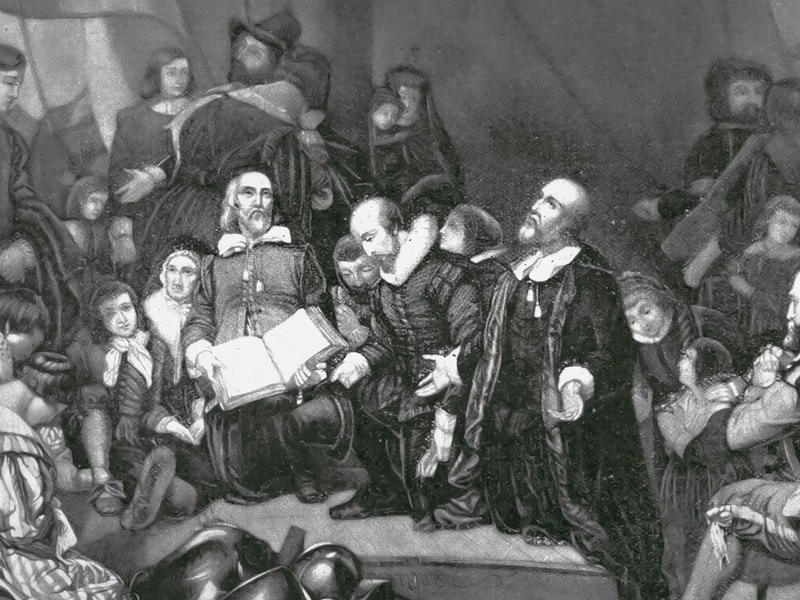
Congregational Theocracy: That Time Theocrats Ran Puritan New England

Timon Cline wrote recently that “theonomists” didn’t run Puritan New England. 1 He is correct, in his major thesis, that the claim that “Puritanism and the natural law tradition are antithetical” is “wildly ahistorical.” Mr. Cline demonstrates that Puritans repeatedly extolled natural law. Besides the Puritan sources Mr. Cline mustered,…

by John CarpenterAugust 9, 2022

screen-shot-2022-08-04-at-9-36-57-am
Mark

The Land of the Walking Trees

The Church is the land of the walking trees. In Mark’s Gospel, the identity of Jesus is slowly and progressively revealed. Though St. Mark announces at the beginning of his narrative that Jesus Christ is “the Son of God” (1:1), this is a reality that must be spoon-fed to His…

by Jackson ShepardAugust 4, 2022
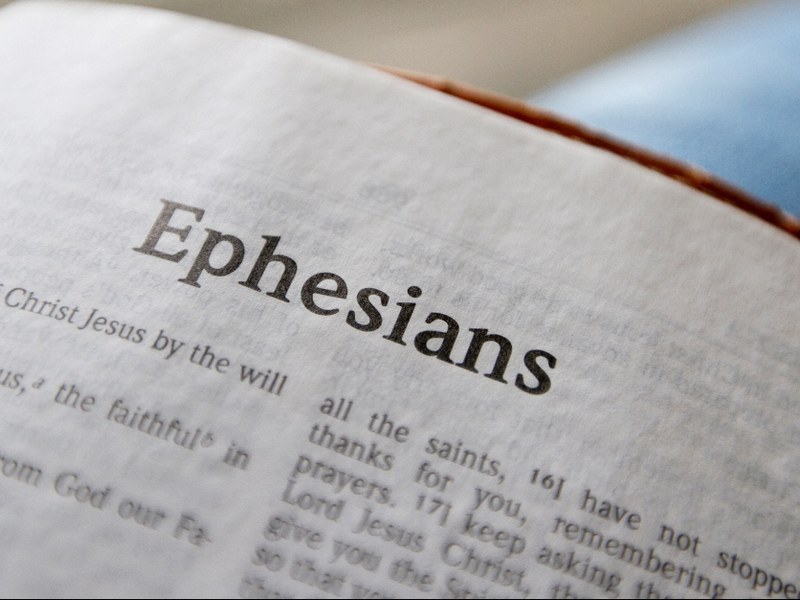
11982-sparrowstockephesians
Ephesians

The Significance of Ephesians (with a comparison to Romans)

All Scripture is of ultimate significance as the word of God, but it may be helpful to think about what makes a book (in this case, a letter) possibly unique within the canon. In this case, the “general” nature of Ephesians should stand out, but it often is not recognized…

by Mark HorneAugust 2, 2022
davide-ragusa-g32g_ibprfa-unsplash
Ecclesiastes

A Time to Kill (Ecclesiastes 3:3)

Where do we draw the lines between what is right and wrong? This question is fundamental to civilization, fundamental to a free society. To put this question in the bluntest and most offense terms: if there is a time to kill — which Solomon says there is — whom shall…

by Ralph Allan SmithJuly 28, 2022
screen-shot-2018-04-12-at-9-48-08-am
Biblical Horizons

Broadening Our View of the Trinity

This article was originally posted in May of 1994. We speak of God as Father, Son, and Holy Spirit. The early Church tended to speak of Him as Father, Word, and Spirit. In this short essay, I want to suggest some other ways to think of the Trinity, ways that…

by James B. JordanJuly 26, 2022
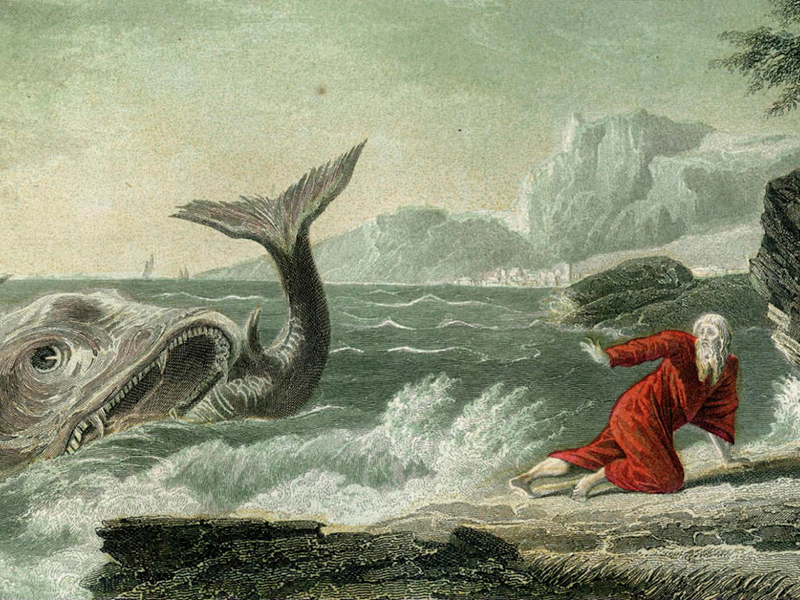
jonahwhale-1552x900
Jonah

Journeying Prophets in Kings

Jonah’s Home The story of JONAH belongs in the book of KINGS. JONAH balances the story of the unnamed Judean prophet (1K13) in KINGS’ literary structure. Each story describes a journeying prophet that crosses land or sea to confront a wayward king. The two stories are located during the reigns…

by Scott FairbanksJuly 21, 2022

Showing page 41 of 309

See all

Showing page 37 of 43

See all
Science

Doubts about Brain Death

Gary Greenberg raises doubts about “brain death” as a definition of death. The standard was introduced largely to facilitate organ donation and transplant, and it has become a fixture of bioethics. Greenberg points out that “brain death is not quite as certain as these bioethicists might like. A doctor cant…

January 18, 2014

Cut for Kingship

What does God commit Himself to when He makes a covenant with Abraham? Genesis 17 gives a number of specifics: Abraham will be a multitude of nations, his name will become Abraham, Yahweh will be God to Abraham and to his seed and will give them the land. Twice in…

January 17, 2014

Apocalyptic in Ordinary

Everyone is talking about “apocalyptic” today. I join the chorus and reflect on CS Lewis’s The Great Divorce as an exercise in apocalyptic theology.

January 17, 2014
Philosophy

End of Dialogue

Rosenstock-Huessy points out in one of the letters collected in Judaism Despite Christianity that Kant worked out his entire philosophy in conscious dialogue with Rousseau: “While he himself wants to stand metaphysics on its head, just as Kepler and Newton stood physics, yet he compares for his part Rousseau and…

January 17, 2014

Naive Sophistication

Rosenstock ( Judaism Despite Christianity: The 1916 Wartime Correspondence Between Eugen Rosenstock-Huessy and Franz Rosenzweig , 127-8) objects to Rosenzweig’s characterization of church history as a move from the church of the spirit to the church of dogma and tradition. Rosenstock thinks the dualism nonsense: “Every Christian experiences the dogmas…

January 17, 2014

From A to B

Rosenzweig locates a fundamental similarity between Judaism and Christianity in their mutual affirmation of protology and eschatology, which give form and meaning to the “middle things” that occur between A and B - that is, the middle things of world history. Rosenstock objects that the two are not equal simply…

January 17, 2014

Showing page 705 of 2212

Browse by Category

In Medias Res

Your weekly digest for all things Theopolis.

Donate

Theopolis is nearly 100% donor-supported. Consider joining us on our mission.