Theopolis Logo

Writing

Explore our collection of theological essays, biblical studies, and reflections on faith and culture.

See all
tanner-mardis-xuxghzhibn4-unsplash-1-2
Biblical Studies

Tweets-turned-Notes on the Bible’s Chronology

Summary In what follows, I will consider the “year-stamps” employed in Scripture, i.e., statements of the form, “Such-and-such an event took place in the Xth year of Y.” In the process, I will suggest some ways in which the Biblical narrative might relate to events in the extra-Biblical world, though…

by James BejonJuly 16, 2019
durer-prodigal-son-2
Luke

Perspectives on the Prodigal, (Part 2)

In the first essay on the parable of the Prodigal Son, I suggested that the problems commentators and others encounter in interpreting Jesus three-part parable are not accidental. These are not just problems in our ignorance of cultural background. They are intentional features of the stories —stories designed to poke…

by Ralph Allan SmithJuly 11, 2019
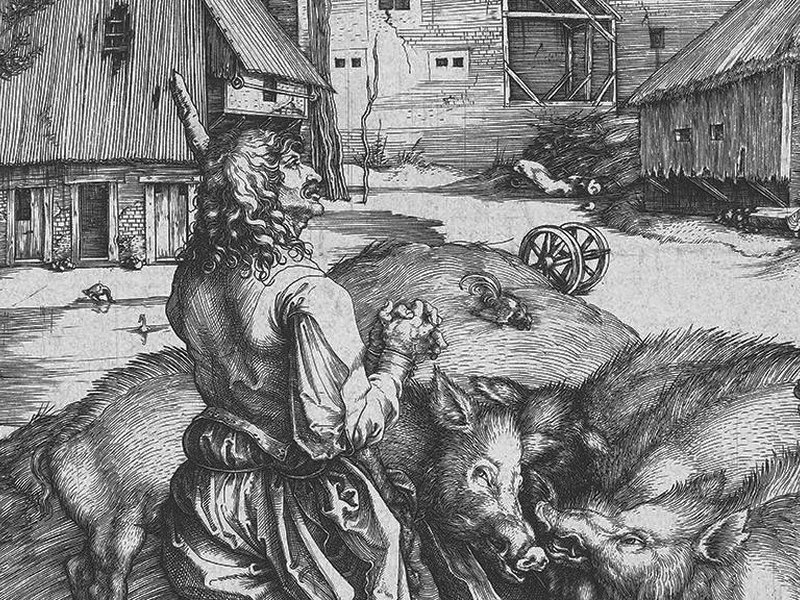
durer-prodigal-son-2
Luke

Perspectives on the Prodigal, (Part 1)

The story of the Prodigal Son is perhaps the most well-known story in the Bible. As others have observed, it may also be one of the most misunderstood. In two short essays, I will point out features of this story that are commonly neglected, aspects of Jesus’ parable that might…

by Ralph Allan SmithJuly 9, 2019
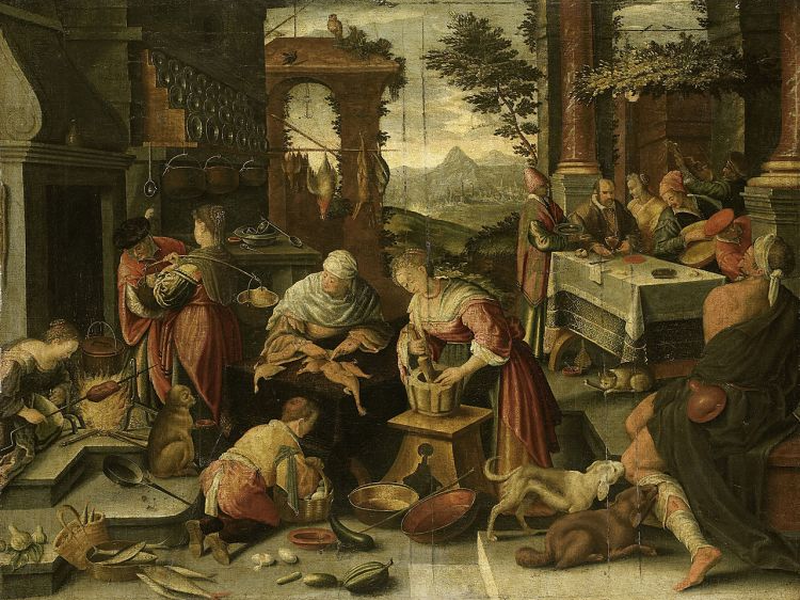
de-rijke-man-en-de-arme-lazarus-by-jacopo-da-ponte-16th-century
Luke

Lazarus and the Rich Man

The parable of Lazarus and the nameless rich man is not an independent story. It is part of a long context that begins in Luke 15:1, where Jesus is eating with tax collectors and sinners and the scribes and Pharisees grumble. In response to their hardheartedness, Jesus tells a three-part…

by Ralph Allan SmithJuly 4, 2019
aaron-burden-uynrnfdkjwg-unsplash
Luke

Everybody has Dropsy - Luke 14:1-24

The Bible is written so that even when a reader cannot pick up on what might be deeper or more detailed aspects of a text, there is virtually always a message to be heard. In the ancient world, where the “reader” of Scripture would likely be a church official facing…

by Ralph Allan SmithJuly 2, 2019
communion
Biblical Theology

Fruit Trees and Grain Plants

The distinction between garden (or vineyard) and field begins in Genesis 2. This relates to the ordering of the formless world. Plants of the field are contrasted with the garden planted by God in Genesis 2:5&8. Later on, under the Old Covenant the Israelites will be required to keep their…

by James B. JordanJune 27, 2019

Showing page 77 of 309

See all

Showing page 38 of 43

See all

Bible v. Myth

Considering the roots of contemporary "new nationalism," David Goldman contrasts the biblical roots of Anglo-American nationalism with the mythical roots of German nationalism. He suggests that Christianity faces a "conundrum," since, unlike Judaism, its spiritual and ethnic origins are not identical: Christianity "sees its spiritual origin at Golgotha but its…

December 8, 2017

Drama of God

John Frame is engaged in a battle over "classical theism" or "scholasticism" as articulated by James Dolezal (about whom I've written here ). Leave the terminology aside. Frame gets to the heart of the question, and gets it right: "The main content of Scripture is not that God is simple…

December 8, 2017

Fifth Gospel

Isaiah reads like a “greatest hits” of Messianic prophecy. Isaiah prophesies the birth of the Messiah: "Therefore the Lord Himself will give you a sign: Behold, the virgin shall conceive and bear a Son, and shall call His name Immanuel" (Isaiah 7). "He prophesies the fact that the Messiah will…

December 7, 2017

What Is Prophecy?

Christian conceptions of prophecy are sometimes a mish-mash of ancient and modern conceptions. Plato thought prophecy a form of divine madness, somehow analogous to the madness of poetry and love. In the Phaedrus , Socrates says:"The divine madness was subdivided into four kinds, prophetic, initiatory, poetic, erotic, having four gods…

December 7, 2017

God Speaks in Flesh

At the climax of John’s prologue he announces the beginning of the gospel: The Word became flesh. John has already told us a good bit about that word. The Word was “in the beginning.” John refers to the opening verse of the Bible, where we learn that the Creator is…

December 6, 2017

The Power of Procreation

"The power of procreation and the power of conviction together confer on us, thanks to marriage, the combine strength of making epochs." So writes Eugen Rosenstock-Huessy ( In the Cross of Reality , 212). Marriage infuses new life into society, the possibility of peace. Without marriage, societies "cool down" into…

December 5, 2017

Showing page 116 of 2212

Browse by Category

In Medias Res

Your weekly digest for all things Theopolis.

Donate

Theopolis is nearly 100% donor-supported. Consider joining us on our mission.