Theopolis Logo

Writing

Explore our collection of theological essays, biblical studies, and reflections on faith and culture.

See all
cloister

Gatekeepers

1 Chronicles 9:1 seems to bring the genealogies of 1 Chronicles to an end. The Chronicler has recorded the genealogy of the human race from Adam, focusing on the descendants of Abraham through Jacob. Summing it all up, he says, “So all Israel was enrolled by genealogies; and behold, they…

by Peter LeithartJune 21, 2016
trinity-1-2
Trinity

Are the Divine Persons Persons?

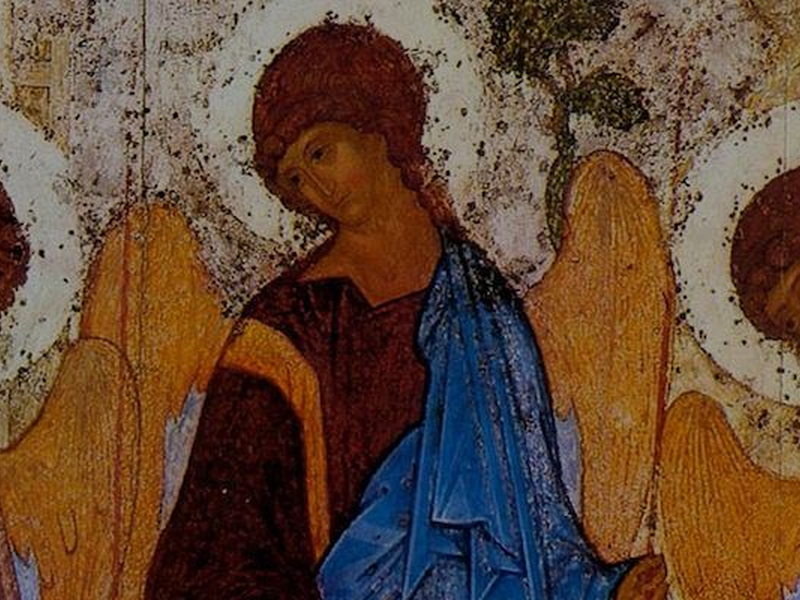
The “personalist” understanding of the Trinity, articulated most influentially in the work of John Zizioulas, has fallen on hard times. Recent scholars have attacked Zizioulas’s idea that Cappadocian Trinitarianism represented an ontological revolution, hammering on the distinction between divine and human personhood. Michel Barnes’s conclusion is the most drastic of…

by Peter LeithartJune 16, 2016
img_4660-2
Architecture

On Biblical Theology

Biblical Theology is often defined as the historical unfolding of God’s revelation, or of God’s revelation and of the history of his covenantal redemption and transformation of humanity and the world. In practice, Biblical Theology is usually broader than this, and also includes the study of literary structure and of…

by James B. JordanJune 14, 2016
laughing_statue_by_xxbobbiie-d5f0meh-2
Humor

Wise Laughter

We are made to be happy. Created to enter into the eternal joy of God, our whole being inclines to that end, but the fallen world has put forth barriers and by our own sin we bar ourselves from that endless delight, and death blinds us to that reality. Yet…

by Remy WilkinsJune 7, 2016
img_7664
Liturgy

Why Theopolis? Take Two

At the end of Revelation, John sees the heavenly city descending to earth. The city shines with the brilliance of God's glory, which lightens the nations, so that kings bring their glory to the city. This is not a vision of the final new heaven and new earth. It's a…

by Peter LeithartJune 2, 2016
trinity-1-2
Attributes of God

How Can We Talk About God?

“No one has ever seen God,” writes John (John 1:18). If this is the case, then how can we speak about God? Some people say we actually cannot. Or at least we cannot speak about God positively, i.e. who He is. We can only say who or what God is…

by Bogumil JarmulakMay 31, 2016

Showing page 130 of 309

See all

Showing page 38 of 43

See all

Acts of Knowing

E sther Meek ( Longing to Know ) uses Magic Eye 3-D pictures to probe what it means to know. Following the instructions, you hold the picture to your face until you can see the picture past/through the surface details. For Meek, the process of seeing the dolphins in the…

August 1, 2017

Oded and Ahaz

T he Chronicler is a generous judge of Judah's kings. King Joash “did what was right” (2 Chronicles 24:2), even though he murders Zechariah the prophet, son of Joash's savior, Jehoiada (24:20–21). Amaziah “did right” (25:2), even though he worshiped Edomite gods for a time (25:14–15). Uzziah “did right” (26:4),…

July 31, 2017

Division and Secularization

H erbert Schlossberg recounts efforts at school and university reform following the religious revivals of the late 18th and early 19th centuries ( The Silence Revolution & the Making of Victorian England ). One of the factors that stymied reform was religious disunity. Tractarians resisted any educational system that didn't…

July 28, 2017

Toryism for the Poor

R ichard Oastler, advocate of the Ten Hours Bill to limit the work week, was a decided Tory, not because he wanted to preserve class privilege but because he believed that conservative policies benefitted the most vulnerable: A Tory is one who, believing that the institutions of this country are…

July 28, 2017

Sentimental Songs

R .W. Dale was the most prominent orthodox Congregationalist pastor in late Victorian England. As Herb Schlossberg puts it, he “was dismayed by the decline of the old theology in favor of an easy-going God, who was not to be feared. He thought rather that fear was a legitimate part…

July 28, 2017

Text and Society

O rthodox theologian Pantelis Kalaitzidis ( Orthodoxy & Political Theology ) follows Erik Peterson's analysis in Monotheism as a Political Problem . Peterson critiques the “political Arianism” in patristic imperial apologists like Eusebius, a position that treats the emperor as an emanation from God, like the not-eternal Son. Peterson “suggests…

July 28, 2017

Showing page 157 of 2212

Browse by Category

In Medias Res

Your weekly digest for all things Theopolis.

Donate

Theopolis is nearly 100% donor-supported. Consider joining us on our mission.