Theopolis Logo

Writing

Explore our collection of theological essays, biblical studies, and reflections on faith and culture.

See all
308750rgsdl
Biblical Theology

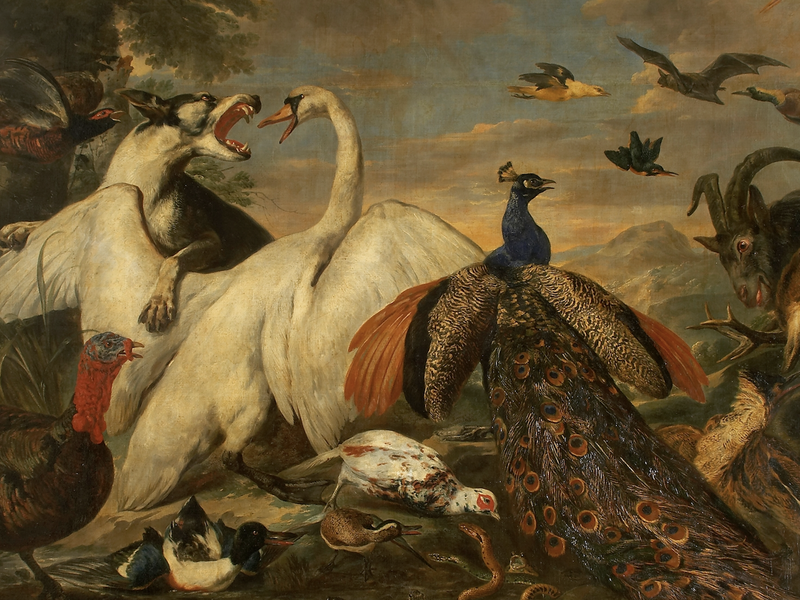
Biblical Bestiary and Covenant Creatures, Part 3: Reunion of Man and Beast in Christ

Abbreviated Introduction to the Series Scripture is absolutely dripping with animal metaphors. Animal traits, characteristics, and appearances are attributed to God, Man, Angels, Nations, Armies. Since animals are the lowest creature in the three-tiered hierarchy, they are useful to metaphorically focus on a single aspect of God (bold like a…

by Jonathan WhiteOctober 27, 2025
screenshot-2025-10-21-at-2-22-31-pm
Matthew

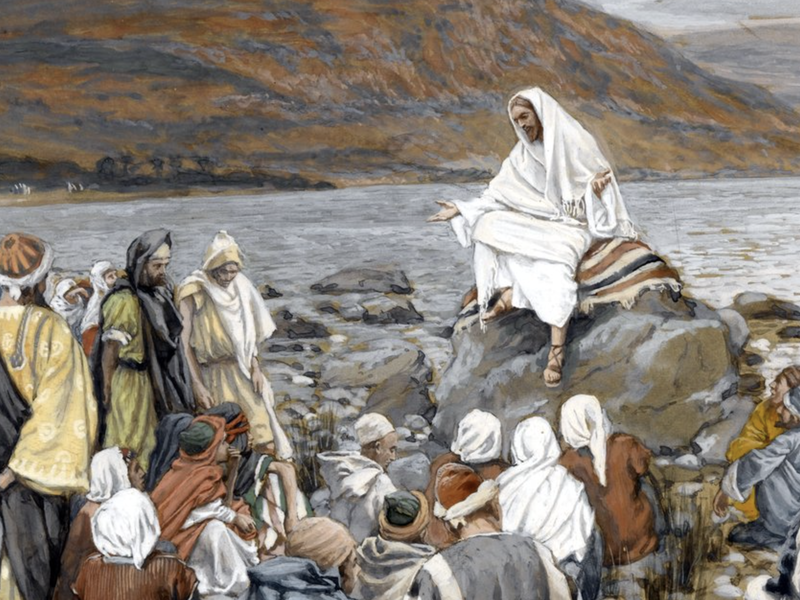
Authority that Heals: Unpacking Matthew 4:18 – 10:4

Many years ago, while perusing Janice Anderson’s revised doctoral dissertation, Matthew’s Narrative Web: Over, and Over, and Over again , I was impressed by her attention to literary structures of repetition within and across Matthew’s Gospel. 1 Her research, in part, nudged me closer toward my present conviction that Matthew…

by Jonathan SedlakOctober 21, 2025
screenshot-2025-10-20-at-4-47-19-pm
Biblical Theology

Biblical Bestiary and Covenant Creatures, Part 2: The Animalistic Dehumanization of Sin

Abbreviated Introduction to the Series Scripture is absolutely dripping with animal metaphors. Animal traits, characteristics, and appearances are attributed to God, Man, Angels, Nations, Armies. Since animals are the lowest creature in the three-tiered hierarchy, they are useful to metaphorically focus on a single aspect of God (bold like a…

by Jonathan WhiteOctober 20, 2025
screen-shot-2025-10-14-at-7-34-36-am
Song of Songs

Like a Lily Among Thorns: Hailing the Suffering Christ in Canticles

“Like a lily among the thorns, so is my love among the maidens… My beloved is mine and I am his; he pastures among the lilies.” Song 2:2, 16 In chapter two of the Song of Solomon, the Beloved compares his Love to a lily among thorns. The language of…

by Mark BriansOctober 14, 2025
eric-welch-xuch5jnrfig-unsplash
Biblical Theology

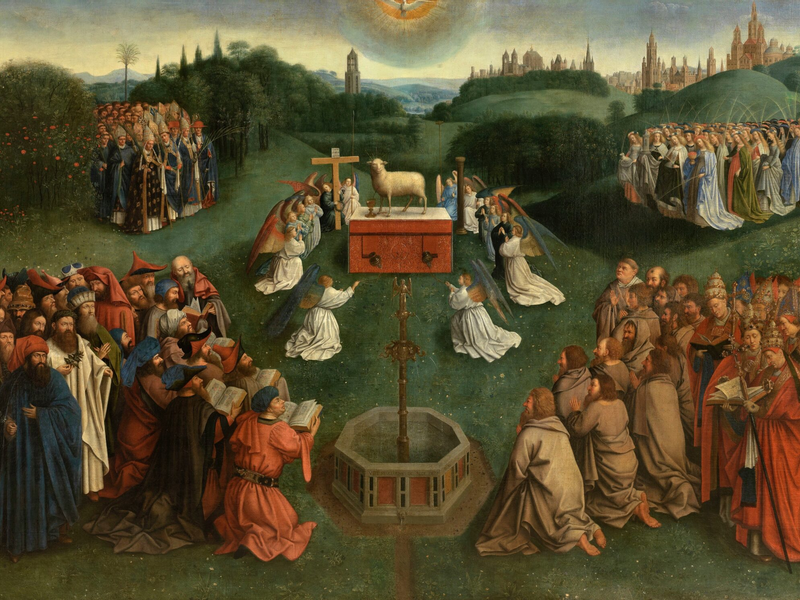
Biblical Bestiary and Covenant Creatures, Part 1: The Shared Spirit of Men and Beasts

Introduction From the very beginning, angels and animals have played mediating roles between God and Man. Just as the World was made three-tiered (Heaven, Earth, Deep), so the creatures were made (Angels, Men, Animals). Before Christ came to build the permanent bridge across the chasm between God and Man, various…

by Jonathan WhiteOctober 13, 2025
getty-images-nim1o1t51qq-unsplash
Matthew

Parables of Land and Sea in Matthew 13

Matthew 13, the third major discourse of the apostle’s gospel, is comprised almost entirely of parables. While it may seem that all the parables serve the same purpose in fulfilling the prophet Isaiah (Matthew 13:14), the parables found in verses 44–52, at the very least, function outside that purpose. This…

by David TownsendOctober 9, 2025
See all

Showing page 38 of 43

See all
Politics

War’s balance sheet

Citing a still-unknown Greek writer, Kant shrewdly said, “War . . . creates more evil men than it takes away.”

September 5, 2007
Politics

War’s balance sheet

Citing a still-unknown Greek writer, Kant shrewdly said, “War . . . creates more evil men than it takes away.”

September 5, 2007
Philosophy

Honor and cruelty

In a reduction worthy of Nietzsche (or Augustine), Kant explores the motives behind honor: “the perpetual war between the Arathapescaw Indians and the Dog Rib Indians has no other aim than mere slaughter. In the savages’ opinion, bravery in war is the highest virtue. In the civilized state too, bravery…

September 5, 2007
Uncategorized

Radical Evil

Kant’s theory of radical evil, which he develops in the first part of Religion Within the Limits of Reason Alone , rests on a number of basic assumptions. 1) Man is free, and his moral actions are undetermined by anything outside himself or even by anything within himself other than…

September 5, 2007
Philosophy

Solomon on Kant

Robert Solomon offers a helpful fairly traditional summary of Kant’s philosophy in his little book on Continental Philosophy. Kant’s overall agenda, Solomon says, was (in Kant’s own words) to “deny knowledge, in order to make room for faith.” Much as he admired the advances of post-Newtonian science, he worried that…

September 4, 2007
Philosophy

Caputo on Kant’s Theology

One of Kant’s central contributions to philosophy was the invention of the notion of “critical philosophy,” which means epistemology, which means philosophy as a critique of knowledge. Philosophy is the queen of the sciences that polices the borders between sciences and keeps everyone safely in his or her own department.…

September 4, 2007

Showing page 1635 of 2212

Browse by Category

In Medias Res

Your weekly digest for all things Theopolis.

Donate

Theopolis is nearly 100% donor-supported. Consider joining us on our mission.