Theopolis Logo

Writing

Explore our collection of theological essays, biblical studies, and reflections on faith and culture.

See all
max-kukurudziak-qbc3zmxw0g8-unsplash
History

Report from Ukraine

We lost Crimea. That is very clear. Putin proved he was not lying when he said he would place women and children ahead of his soldiers to storm Ukrainian military bases. Russian soldiers did exactly that with women (some who volunteered and some who were forced). Russia now occupies all…

by San SanychMarch 28, 2014

screenshot-2023-09-21-at-3-59-23-pm
Church Calendar

God Gone Silent

Sound is an indicator of life and energy. “Sound signals the present use of power, since sound must be in active production to exist at all.” Things don’t have to be alive to make themselves visible, and “a primitive hunter can see, feel, smell, and taste an elephant when the…

by Peter LeithartMarch 26, 2014
web-lead-image_final_dostoevsky
Books

Dostoevsky the Liberal

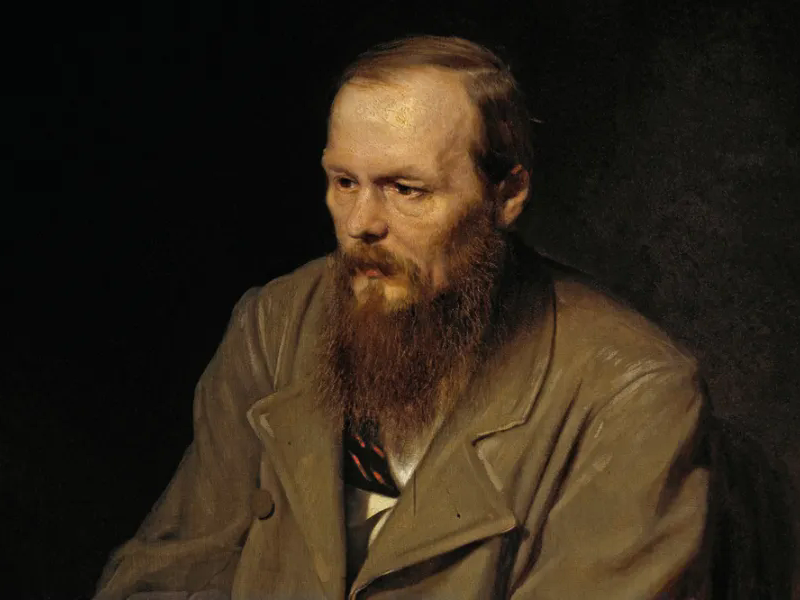
In the most famous section of his best-known novel, Dostoevsky’s Ivan Karamazov brings forward his case against God. He opens with a horrific litany of outrages against children. Turkish soldiers make a baby laugh and then shoot a pistol into his face. A little girl is beaten, thrashed, kicked by…

by Peter LeithartMarch 24, 2014
kelly-sikkema-ggs0_g6wi-i-unsplash
Epistemology

Subsidiary-Focal Integration and Liturgy

​At the heart of Esther Lightcap Meek's splendid ​Little Manual for Knowing is a concept she picked up from Michael Polanyi, "subsidiary-focal integration." The concept begins from the insight that all our knowing, all our experience, is double. We focus on something, but we are capable of "indwelling" that focal…

by Peter LeithartMarch 19, 2014
engin-akyurt-uz9qpvbol0e-unsplash
Revelation

White Stone

Jesus promises the overcomers of Pergamum "hidden manna" and a "white stone." The hidden manna is often linked with the manna stashed away in the ark of the covenant. The white stone has proved more elusive. Exodus tells us that manna was white (Exodus 16:31) and like bdellium (Numbers 11:7),…

by Peter LeithartMarch 17, 2014
226961fgsdl
Leviticus

A Theology of Festivity

Leviticus 23 begins with a reference to “Yahweh’s appointed times” ( mo’ade-YHWH ). Mo’ed is the common term for the feasts of Israel. A few dimensions to this term. First, it means “appointed time” or “designated time.” It is a time set by Yahweh. Yahweh has claimed certain times as…

by Peter LeithartMarch 12, 2014

Showing page 177 of 309

See all

Showing page 38 of 43

See all

Sermon notes, Second Sunday After Epiphany

INTRODUCTION John frequently exhorts his readers to love one another (2:10; 3:10, 11, 23), and speaks of God’s love for us (3:1). Here, he connects these two loves inseparably. The noun or verb “love” is used 27 times (3 x 3 x 3) in this chapter, and twice he addresses…

January 8, 2007

Gnostic bodies

Nothing seems as anti-gnostic as the contemporary obsession with bodily perfection. We can remold our bodies in any way we want - tuck in here, enhance there, replant hair and remold biceps, remove wrinkles and signs of aging. In fact, this obsession is completely gnostic. It attempts to side-step the…

January 7, 2007

Eucharistic exhortation, First Sunday After Epiphany

1 John 4:2: Every spirit that confesses that Jesus Christ has come in the flesh is from God. Why do we have this meal? The simple answer is that Jesus commanded it. But why did He command it? After all, aren’t we in the New Covenant, which is a Spiritual…

January 7, 2007

Exhortation, First Sunday After Epiphany

Yesterday, January 6, was Epiphany, the beginning of one of the traditional seasons of the church year. The word “epiphany” means “manifestation” or “revelation.” Advent celebrates the coming of the Lord; Epiphany, His revelation. We need both. If God comes to us, but remains veiled and incognito, we will never…

January 7, 2007
Philosophy

Idealism to Textualism

In a 1980 essay, Richard Rorty offers a quick overview of the development of European thought from idealism through romanticism and pragmatism to what he calls textualism. The two ends of this development, idealism and textualism, are similar in various ways: both are antagonistic toward science, both claim that we…

January 7, 2007
Theology

Theology from the margins

Lubac is by all accounts one of the great Catholic theologians of the past century, and one of the most influential. He never worked on a dissertation, and because of the disruptions of war never went through a great deal of the formal training expected of Jesuits. He was eventually…

January 6, 2007

Showing page 1739 of 2212

Browse by Category

In Medias Res

Your weekly digest for all things Theopolis.

Donate

Theopolis is nearly 100% donor-supported. Consider joining us on our mission.