Theopolis Logo

Writing

Explore our collection of theological essays, biblical studies, and reflections on faith and culture.

See all
the-story-of-pastor-tom-clark-2-2
Pastoral Ministry

The Story of Pastor Tom Clark

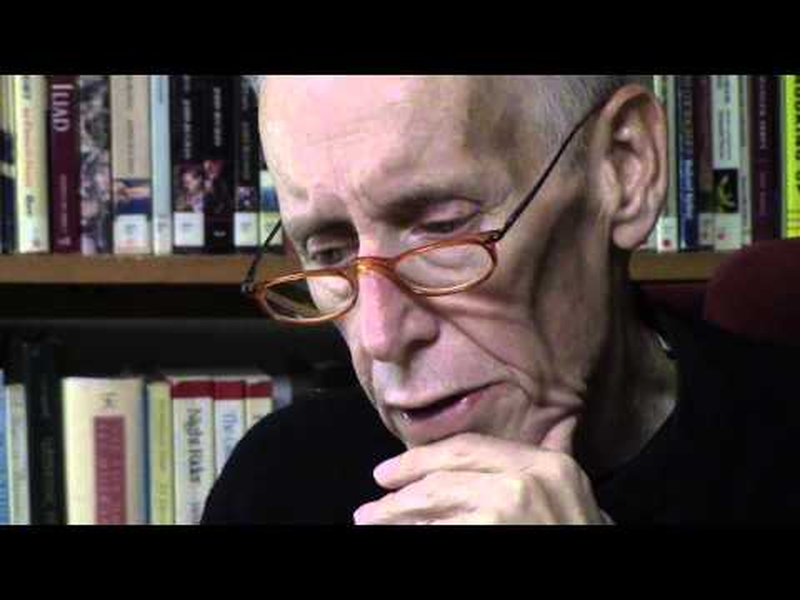
Several months ago, I wrote a First Things essay on the life and ministry of Pastor Tom Clark of Tri-City Covenant Church in Somersworth, New Hampshire. Tom died shortly after that essay appeared, but during his last days we were able to spend a couple of days listening to Tom's…

by Peter LeithartDecember 16, 2014

europeana-h-4wme4eooo-unsplash-3
Advent

A Faustian Christmas

Scene 1 Mr Faust sitting in a big chair, with Little Faust on his lap, reading. Mrs Faust sitting in another chair, knitting or something. Mr Faust : And I heard him exclaim As he drove out of sight Merry Christmas to all And to all a good night. (Closing…

by TheopolisDecember 16, 2014
stonewall
American Politics

Sleeping at Gethsemane

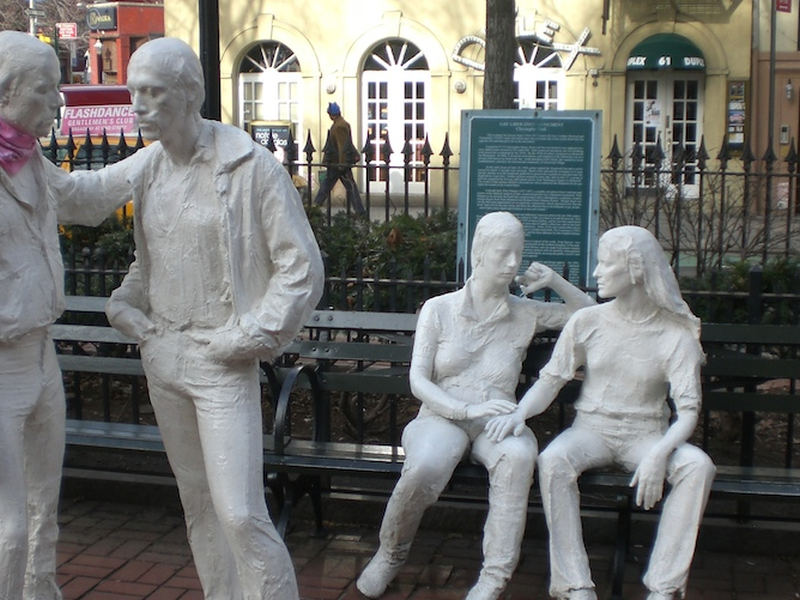
Sadly, most Christians in the United States, when it comes to recognizing the dangers to their civil and religious liberties, sleep the sleep of ignorance that the disciples slept at Gethsemane before the arrest of Jesus. It ought to be obvious by now how “sexual orientation” laws and “gay marriage”…

by Robert GagnonDecember 16, 2014
creation-2
Creation

Maker of Heaven and Earth

From an early period in church history, Christians have confessed belief in a God who created “out of nothing.” God doesn’t need pre-existent matter to work with like a human artisan does; rather, God both calls into existence the material substrate he intends to work with, and he fashions whatever…

by Stephen LongDecember 11, 2014
medievalilluminatedmanuscript
Leviticus

Learning to Love Leviticus

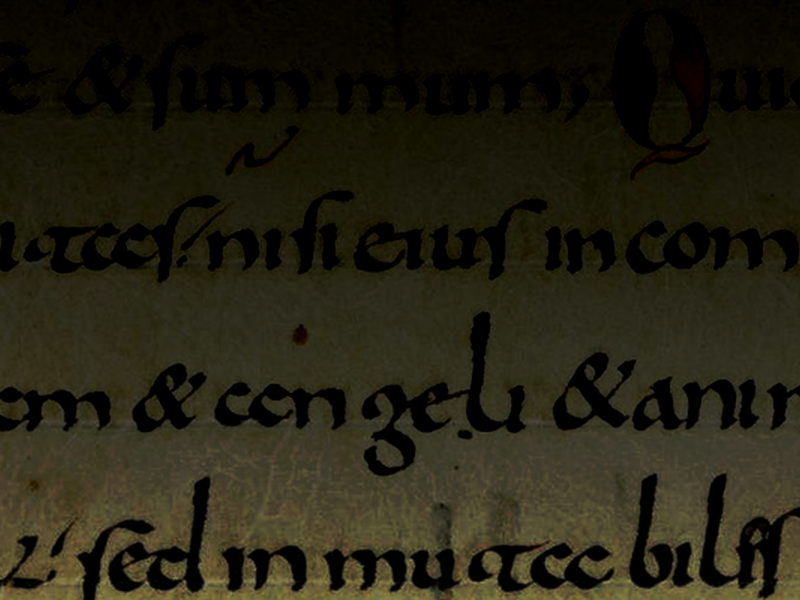
January 1 is the start date for a New Year's resolution. December is the month to start making plans for those resolutions. Perhaps the most common resolution Christians make is to read through the Bible in a year. But that resolution runs into a big challenge near the outset: Leviticus.…

by John BarachDecember 9, 2014
banner
Theopolis News

Theopolis Accredited by National Financial Accountability Organization

BIRMINGHAM, AL – The ECFA (Evangelical Council for Financial Accountability) announced today the accreditation of Theopolis Institute of Birmingham, AL. ECFA accreditation is based on the ECFA Seven Standards of Responsible Stewardship™ , including financial accountability, transparency, sound board governance and ethical fundraising. Theopolis Institute joins a growing number of…

by TheopolisDecember 4, 2014

Showing page 164 of 309

See all

Showing page 38 of 43

See all
Philosophy

Hermeneutics v. Semiology

According to Michel Foucault, what Marx, Nietzsche, and Freud introduce is an age of interpretation. He develops one of the implications of this by suggesting there is a “fierce war” between semiology and hermeneutics, between treating words as signs and treating them as interpretations. Nietzsche in particular, Foucault claims, develops…

August 26, 2006
Literature

Shakespeare and Bible

Steven Marx’s Shakespeare and the Bible (Oxford, 2000), purports to be the “first book to explore the pattern and significance” of Shakespeare’s biblical allusions. Perhaps. The results are mixed. Each chapter of Marx’s book attempts to show structural, plot, and thematic parallels between a section of Scripture and a play…

August 26, 2006
Literature

Ubiquitous Shakespeare

Exploring Lake Superior in 1840, one Charles W Penny wrote, “We read the Bible I dare say much more than we would have done had we been in Detroit. Shakespeare was duly honoured, as he is every day when we travel. When on the water, some one of the party…

August 26, 2006

Divine Love

The Persons of the Trinity live out an eternal round of self-sacrificing love. If a proof text is needed, John 15 supplies it. 1) Jesus says, “as the Father loved Me, I have also loved you” (v. 9). Jesus’ love for the disciples is modeled on the Father’s for Him.…

August 26, 2006

Queen of the Sciences

John Stuart Mill declared at the beginning of his book on logic that “Logic is the common judge and arbiter of all particulars investigations. It does not undertake to find evidence, but to determine whether it has been found. Logic neither observes, nor invents, nor discovers; it judges.”

August 24, 2006
History

New

Hans Jonas writes in an essay on technological and scientific advance that one of the key cultural shifts in the sixteenth and seventeenth centuries was a, well, new understanding of “new,” and a corresponding revision of traditional ways of thinking about history: “A sign of this spreading mood is the…

August 24, 2006

Showing page 1804 of 2212

Browse by Category

In Medias Res

Your weekly digest for all things Theopolis.

Donate

Theopolis is nearly 100% donor-supported. Consider joining us on our mission.