Theopolis Logo

Writing

Explore our collection of theological essays, biblical studies, and reflections on faith and culture.

See all
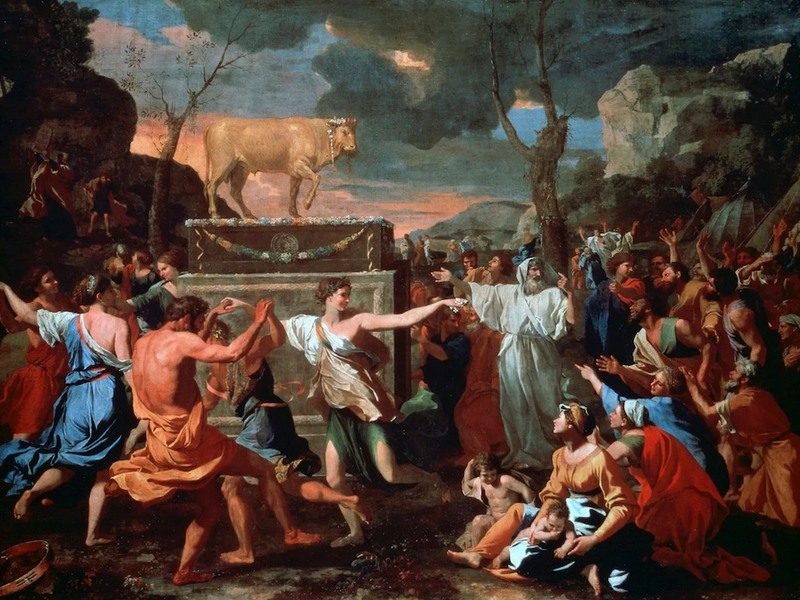
adoration-of-the-golden-calf-canvas-nicolas-1634-copy
Art

The Second Word IV: Implications

What About Catholics? (continued) Usually, such people are not seeking graven images, but rather their idolatry is of a broader character. They are seeking a home on earth. Scott Hahn’s book is called Rome Sweet Home . This is the essential sin, for there is no home on earth. The…

by James B. JordanDecember 7, 1994

screen-shot-2022-08-04-at-9-36-57-am
Biblical Studies

The Gospel and the Virtues

Reading the earliest Christian apologists is like watching a movie in which the hero has the means to demolish his opponents in his grasp but never realizes it. The apologists come across as men not altogether aware of the radical character of the gospel they defend. In response to charges…

by Peter LeithartNovember 23, 1994
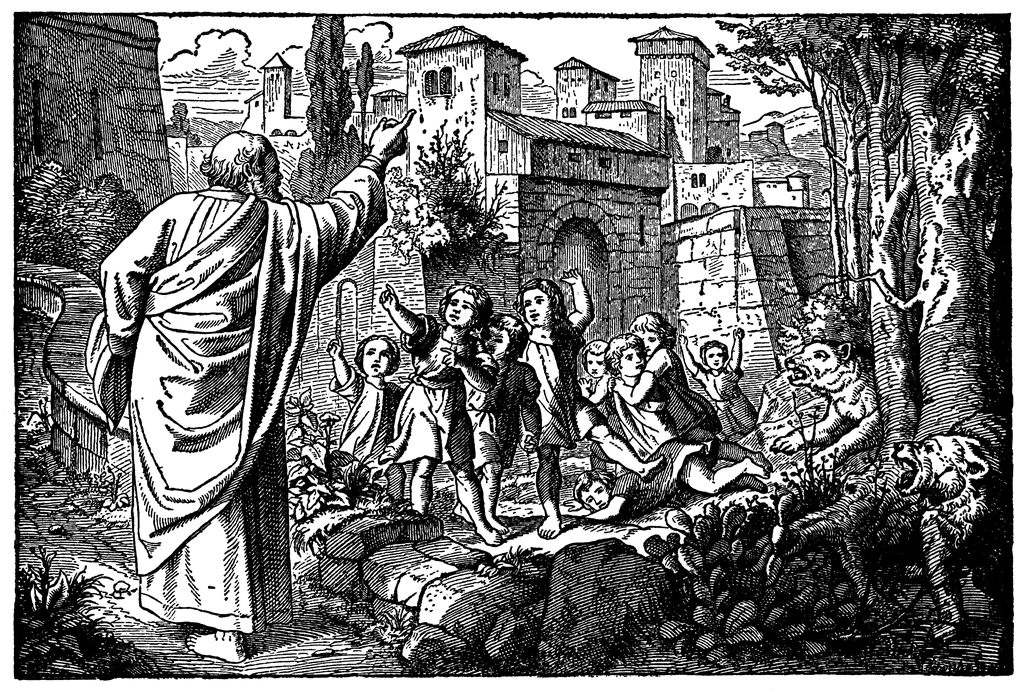
elisah-curses-boys
Biblical Studies

Suffer the Little Children

Then [Elisha] went up from there to Bethel; and as he was going up by the way, ne`arim came out from the city and mocked him and said to him, "Go up, you baldhead; go up, you baldhead!" When he looked behind him and saw them, he cursed them in…

by Peter LeithartNovember 23, 1994
annunciation-2
Biblical Chronology

Genesis 5 & 11: Chronological-Theological Reflections (Part 2)

Further Numerical Items of Interest Umberto Cassuto points out some other numerical factors in Genesis 5. 1 For one thing, he observes that every number in Genesis 5 is a multiple of 5, sometimes with the addition of 7. We have, in essence, made this point already. He also points…

by James B. JordanNovember 7, 1994
Biblical Horizons

The Second Word III: Exposition; Implications

Prostration God has designed the human body in a marvelous way, and Biblical religion is very physical. We believe in the resurrection of the body, against all pagan ideas of the immortality of the soul. We bury our bodies, not burning them. Human beings in their totality, including our bodies,…

by James B. JordanOctober 7, 1994
kiwihug-l4gw27xzn1i-unsplash
Revelation

The Last Eight Visions of Revelation

Since Revelation is laid out in serieses of sevens, it is worth investigating to see if there is a series of seven after the seven libation-bowls of chapter 16. I believe there is, and it is the burden of this essay to expose it. The series of sevens, or heptamerous…

by James B. JordanOctober 7, 1994

Showing page 275 of 309

See all

Showing page 38 of 43

See all
History

Hermeticism and gnosticism

In his book on the hermeticist Hegel, Magee gives this helpful sketch of the differences between gnosticism and hermeticism: “Gnosticism and Hermeticism both believe that a divine ‘spark’ is implanted in man, and that man can come to know God. However, Gnosticism involves an absolutely negative account of creation. It…

August 16, 2006
Philosophy

Hegel and Hermes

In a 2001 book (Cornell), Glenn Magee argues that Hegel must be understood as a hermetic thinker. Hegel claims to have moved beyond the ancient notion of philosophy as “pursuit of wisdom” to an absolute knowledge that is simply identical with wisdom. As Magee says, “Hegel’s claim to have attained…

August 16, 2006

MacIntyre on Heroic virtue

In After Virtue , Alasdair MacIntyre provides a neat discussion of the virtue and selfhood in Greek antiquity. The unity of ARETE, virtue, “resides . . . in the concept of that which enables a man to discharge his role,” and refers to “excellence of any kind,” whether in a…

August 16, 2006
Philosophy

Logos: Harmony and Recipe

One Marc Cohen of the University of Washington, offers this account of the “logos” of Heraclitus in an online lecture outline: First, “There is an orderly, law-governed process of change in the universe. (Compare fragment 80 with Anaximander, who equates strife with injustice; for Heraclitus, strife is justice, and is…

August 16, 2006

Life of Heraclitus

Some selections from Diogenes Laertius’ “Life of Heraclitus, from his “Lives and Opinions of Eminent Philosophers: “He was above all men of a lofty and arrogant spirit, as is plain from his writings, in which he says, ‘Abundant learning does not form the mind; for if it did, it would…

August 16, 2006
History

Asocial sociability

Seigel devotes a fascinating section of his book ( Idea of the Self ) to a summary of Mandeville’s Fable of the Bees , in which Mandeville describes what Kant characterized as the “asocial sociability” of human nature. Social in the sense that even in a natural state, prior to…

August 15, 2006

Showing page 1809 of 2212

Browse by Category

In Medias Res

Your weekly digest for all things Theopolis.

Donate

Theopolis is nearly 100% donor-supported. Consider joining us on our mission.