Theopolis Logo

Writing

Explore our collection of theological essays, biblical studies, and reflections on faith and culture.

See all
al-elmes-zicz-ow1lxa-unsplash-1
Advent

Triune Advent

Our creeds, taking cues from Matthew 28:18-20 and other biblical texts, speak of the order of the Trinity as “Father, Son, Spirit.” This order is evident in the order of redemption as well: the Father sends the Son, who ascends to heaven to receive and send the Spirit. Luke 1,…

by Peter LeithartDecember 4, 2013

aaron-burden-1ebsmyrau-s-unsplash
Language

Relations, Uncreated and Created

The category of “relation” has long been central to Trinitarian theology, [1] but in recent theology it has become a transcendental, as many theologians have argued that relationality is the leading feature not only of divine life but of created life. [2] Human beings made in the image of the…

by Peter LeithartDecember 2, 2013
markus-winkler-aid-xyrtlec-unsplash
Theopolis News

Reformational Catholicism

Listen to Trinity House President Peter Leithart discuss his article on the End of Protestantism with LCMS pastor Todd Wilken at Issues, Etc .

by Peter LeithartNovember 27, 2013
screenshot-2023-08-30-at-11-50-23-am
Matthew

The Kingdom of the Parables

One of the keys to understanding the parable of the wheat and tares (Matthew 13) is to understand the time frame. Jesus is speaking in pictures and symbols about some period of history, but which? What’s the beginning, and what’s the end of the parable? Is Jesus talking about what…

by Peter LeithartNovember 25, 2013
screenshot-2023-09-21-at-11-46-30-am
Literature

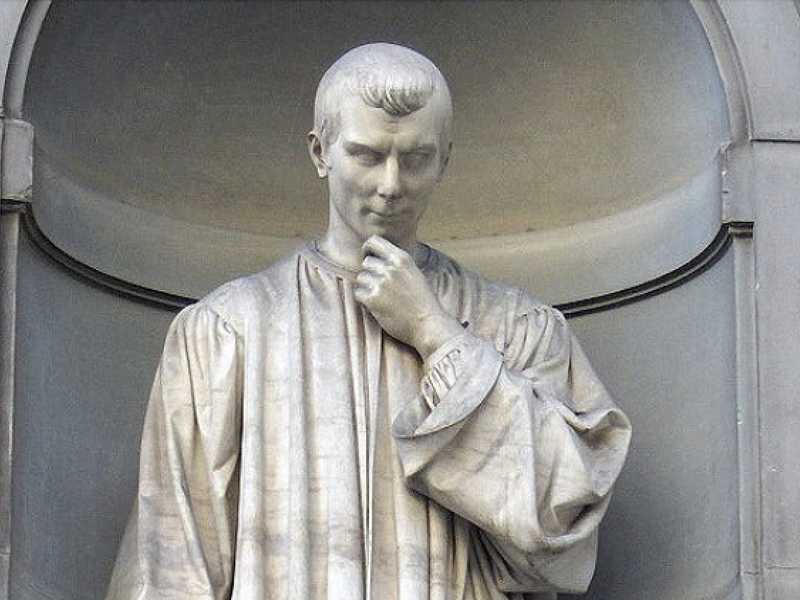
Machiavellian Politics and the Idol Ceremony

Shakespeare wrote two tetrologies of English history, patriotically celebrating the Tudor monarchy by recounting its chaotic prehistory. Read in chronological order, Shakespeare’s English histories trace the depressing collapse of medieval politics, from the ineffectual but dignified medieval kingdom of Richard II, through the usurpation of Henry Bolingbroke, later Henry IV,…

by Peter LeithartNovember 20, 2013
kelly-sikkema-ggs0_g6wi-i-unsplash
Biblical Theology

Restoring the Office of Woman in the Church, (Part 3)

The Heart of Liturgy What we call sacrament, the food-aspect of worship, is essential here. Biblically, sanctuary worship, or worship in the heavenlies, is always a “marriage supper,” always sacramental. The Papal Church made the Eucharist into a private act largely separated from the community of the church. Protestant churches…

by James B. JordanNovember 18, 2013

Showing page 183 of 309

See all

Showing page 38 of 43

See all
Literature

Bardolater

Coleridge wrote, “Shakespeare knew the human mind; and its most minute and intimate workings, and he never introduces a word, or a thought, in vain or out of place: if we do not understand him, it is our own fault or the fault of copyists and typographers; but study, and…

January 18, 2006

Good Company

If Pascal were alive today, he would have a blog. Jonathan Edwards too.

January 18, 2006
History

Rise of Psychology

A thesis, which may prove, when the actual evidence is examined, to be wholly wrong: The thesis: Psychology and its related disciplines do not arise from clinical study or laboratory research, but as a branch of literary criticism. Evidence (extremely thin): Coleridge was the first to use the phrase “psycho-analytic.”…

January 17, 2006

Sermon Outline, Third Sunday After Epiphany

INTRODUCTION How are we to live in this world of vapor? Solomon tells us again and again to rejoice (e.g., 5:19-20), and implies that this joy comes in community with others. That theme of community is explicit in chapter 4, as Solomon reflects on the evils that destroy neighborliness and…

January 16, 2006
Philosophy

The Hebraism of Postmodernism, 2

James Smith offers this summary of one strand of Derrida’s essay, “Violence and Metaphysics”: “since philosophy is ‘primarily Greek,’ ‘it would not be possible to philosophize, or to speak philosophically, outside this medium.’ . . . But could one conceive philosophy otherwise? This, Derrida will show, is precisely what Levinas…

January 12, 2006
Philosophy

Theology and the Decentered self

Questioning the “self-present” ego did not begin with postmodern skeptics. Pascal already raised the question, what is the ego? and answered, “Suppose a man puts himself at a window to see those who pass by. If I pass by, can I say that he placed himself there to see me?…

January 12, 2006

Showing page 1899 of 2212

Browse by Category

In Medias Res

Your weekly digest for all things Theopolis.

Donate

Theopolis is nearly 100% donor-supported. Consider joining us on our mission.