Theopolis Logo

Writing

Explore our collection of theological essays, biblical studies, and reflections on faith and culture.

See all
kiwihug-l4gw27xzn1i-unsplash
Hermeneutics

Hermeneutical Polytheism

A couple of decades ago, when I was a young Reconstructionist (instead of a middle-aged post-Reconstructionist), I coined the phrase "political polytheism" to describe how modern evangelical Christians approach matters of social law and politics. Christians want the Bible for Church and family life, but turn to other gods for…

by James B. JordanJanuary 28, 1996

jan-kahanek-g3o5ztrk2e4-unsplash
Biblical Horizons

Concerning Contracts and Covenants

Gary North has from time to time taken note of some of the differences between contracts and covenants. For him, one of the most important is the oath-character of a covenant. Naturally, the English terms "contract" and "covenant" can be used with varying nuances by different writers, and their zone…

by James B. JordanJanuary 5, 1996
hebrew-manuscript-6
Biblical Studies

Rethinking the Order of the Old Testament

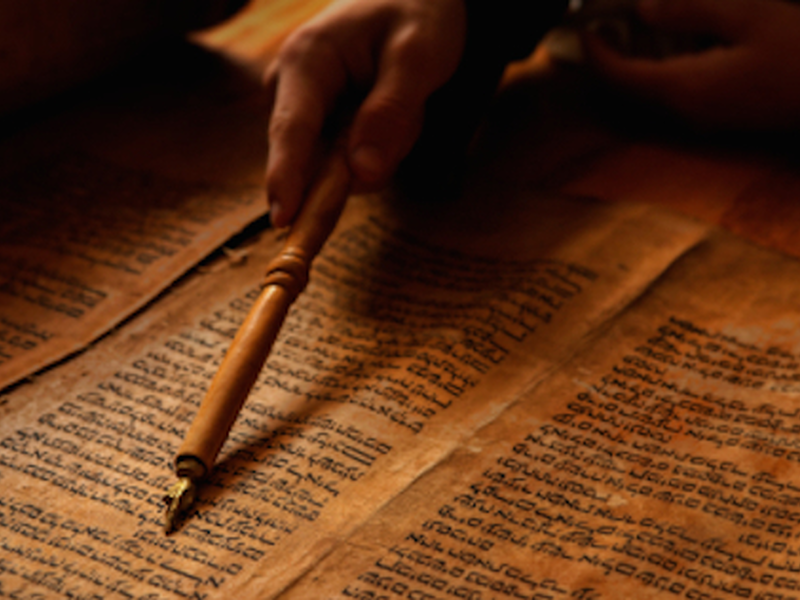
The Book of Chronicles is the last book in the Hebrew Canon of the Old Testament. The word "canon" means "authoritative list" when used in connection with the Bible. What we call the Hebrew Canon consists of 24 books arranged in three major divisions: the Law, the Prophets, and the…

by James B. JordanDecember 28, 1995
skyler-gerald-akljfvj5ym4-unsplash
Biblical Studies

At The Center of the Book of Kings

by: Peter Leithart and James Jordan The Book of Kings is structured chiastically, or concentrically. To see this clearly, we start in the middle and work our way outward. 2 Kings 3–7 record the central events of the ministry of Elisha. Elisha makes his first appearance in 1 Kings 19:19-21,…

by Peter LeithartNovember 5, 1995
lili-popper-lu15z1m_kfm-unsplash
Judges

Dynastic Aspirations in the Book of Judges

(The following is a supplement to my book, God’s War Against Humanism , a study of the book of Judges, available from Biblical Horizons for $20.00 – a photocopy of the original book, which is now out of print). The turning point in the book of Judges is 8:22-28. Here…

by James B. JordanNovember 5, 1995
james-coleman-orks2dpueo0-unsplash
Biblical Horizons

Doing the Lord’s Supper

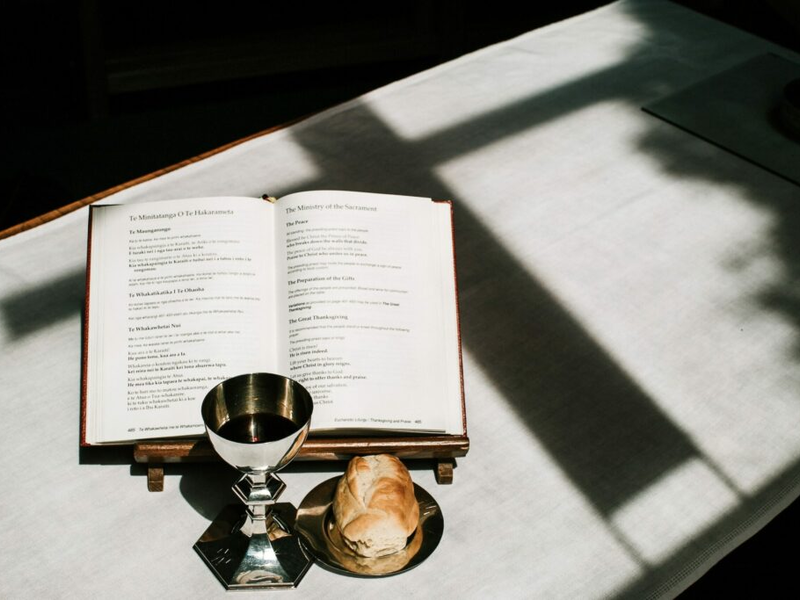
From time to time I am asked how I think the Lord’s Supper should be done. This essay is my response to that question. To start with, we should agree that the Lord’s Supper is the only ritual we are obligated to do in the New Covenant on a routine…

by James B. JordanNovember 5, 1995

Showing page 268 of 309

See all

Showing page 38 of 43

See all

Jehoram and Elisha

The history of the Omrides during the ministry of Elisha takes a curious turn. Instead of confronting the king with his sin, as Elijah generally did, Elisha instead repeatedly gives assistance to the son of Ahab (2 Kings 3; 6-7). Jehoram wavers, sometimes whining, sometimes hostile to Elisha, ultimately respectful.…

October 27, 2005

New Joseph

Dothan is mentioned in only two places in the Old Testament: Gen 37, at the beginning of the Joseph narrative, and 2 Kings 6, the place where the Aramean king attempts to find Elisha. Jacob sends Joseph to take food to his brothers, and he initially does not find them…

October 27, 2005

Things that are not

Jacques Ellul helpfully points out that God frightens away the Arameans in 2 Kings 7 by a mere sound, and it is a sound that has no physical cause. God overcomes things that are, Ellul says, through things that are not.

October 27, 2005

Food in 1-2 Kings

A critical issue throughout 1-2 Kings is the question of who provides bread. Early on, it’s Solomon, whose table overflows with good things and who rules an Israel that is continuously rejoicing and feasting. Kings continue to supply tables after the division of the kingdom, but they are often tables…

October 27, 2005

Puns in 2 Kings 7

Iain Provan points to two entertaining puns in the story of the siege of Samaria in 2 Kings 6-7. The first puns on “lepers” (Heb. MISORAIM) and “Egypt” (Heb. MIZRAIM): The Arameans become frightened by the sound of an army, thinkin that Egyptians are attacking; it’s only lepers, though, scrounging…

October 27, 2005

Blood and life

In his recent Concordia commentary on Leviticus, John Kleinig gives a good summary of what I think is the best explanation of the blood prohibtiion of Lev 17: “many animists regard blood as the most potent of all ritual substances. The blood of an animal was either drunk or, more…

October 27, 2005

Showing page 1932 of 2212

Browse by Category

In Medias Res

Your weekly digest for all things Theopolis.

Donate

Theopolis is nearly 100% donor-supported. Consider joining us on our mission.