Theopolis Logo

Writing

Explore our collection of theological essays, biblical studies, and reflections on faith and culture.

See all
al-elmes-zicz-ow1lxa-unsplash-1
Advent

Triune Advent

Our creeds, taking cues from Matthew 28:18-20 and other biblical texts, speak of the order of the Trinity as “Father, Son, Spirit.” This order is evident in the order of redemption as well: the Father sends the Son, who ascends to heaven to receive and send the Spirit. Luke 1,…

by Peter LeithartDecember 4, 2013

aaron-burden-1ebsmyrau-s-unsplash
Language

Relations, Uncreated and Created

The category of “relation” has long been central to Trinitarian theology, [1] but in recent theology it has become a transcendental, as many theologians have argued that relationality is the leading feature not only of divine life but of created life. [2] Human beings made in the image of the…

by Peter LeithartDecember 2, 2013
markus-winkler-aid-xyrtlec-unsplash
Theopolis News

Reformational Catholicism

Listen to Trinity House President Peter Leithart discuss his article on the End of Protestantism with LCMS pastor Todd Wilken at Issues, Etc .

by Peter LeithartNovember 27, 2013
screenshot-2023-08-30-at-11-50-23-am
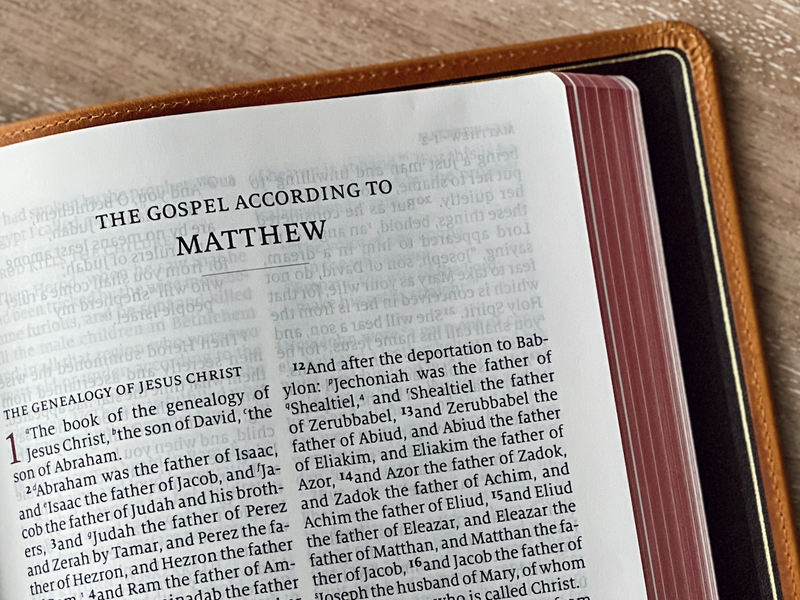
Matthew

The Kingdom of the Parables

One of the keys to understanding the parable of the wheat and tares (Matthew 13) is to understand the time frame. Jesus is speaking in pictures and symbols about some period of history, but which? What’s the beginning, and what’s the end of the parable? Is Jesus talking about what…

by Peter LeithartNovember 25, 2013
screenshot-2023-09-21-at-11-46-30-am
Literature

Machiavellian Politics and the Idol Ceremony

Shakespeare wrote two tetrologies of English history, patriotically celebrating the Tudor monarchy by recounting its chaotic prehistory. Read in chronological order, Shakespeare’s English histories trace the depressing collapse of medieval politics, from the ineffectual but dignified medieval kingdom of Richard II, through the usurpation of Henry Bolingbroke, later Henry IV,…

by Peter LeithartNovember 20, 2013
kelly-sikkema-ggs0_g6wi-i-unsplash
Biblical Theology

Restoring the Office of Woman in the Church, (Part 3)

The Heart of Liturgy What we call sacrament, the food-aspect of worship, is essential here. Biblically, sanctuary worship, or worship in the heavenlies, is always a “marriage supper,” always sacramental. The Papal Church made the Eucharist into a private act largely separated from the community of the church. Protestant churches…

by James B. JordanNovember 18, 2013

Showing page 183 of 309

See all

Showing page 38 of 43

See all

Ecclesial “denotation”

In his books, Ephraim Radner offers numerous profound insights into the complications and implications of a divided Christianity. Near the beginning of Hope Among the Fragments , he points to some of the dangers of post-Reformation efforts to “denote” the church -that is, to describe the church as “something that…

July 4, 2005

Translation, 2 Kings 13

In the twenty-third year to Yo’ash son of ‘Achazyahu king of Yehudah Reigned-as-king Yeho’achaz son of Yehu’ over Yisrael in Shomron seventeen years. And he did the evil in the eyes of Yahweh And the walked after the sins of Yarav’am son of Nevat who caused-Israel-to-sin. He did not turned…

July 4, 2005

The exodus of Jehoahaz

During the reign of Jehoahaz of Israel, the northern kingdom experienced an exodus (2 Kings 13:1-6): 1) Israel had sinned and therefore the Lord became angry and gave them into the hand of Aram, as often happened during the times of the Judges. 2) Jehoahaz “became ill.” The word is…

July 4, 2005
Theology

Salvation and Semiosis in Augustine’s de Doctrina Christiana

Augustine’s de doctrina Christiana is most relevant to contemporary theological and philosophical concerns. It anticipates Wittgenstein, Peirce, and Eco, as well as the cultural anthropologists; it has an almost postmodern feel at certain points; it is a text in theological hermeneutics. Augustine’s answers are sometimes (in my view) deeply wrong;…

July 4, 2005
Theology

Salvation and Semiosis in Augustine’s de Doctrina Christiana

Augustine’s de doctrina Christiana is most relevant to contemporary theological and philosophical concerns. It anticipates Wittgenstein, Peirce, and Eco, as well as the cultural anthropologists; it has an almost postmodern feel at certain points; it is a text in theological hermeneutics. Augustine’s answers are sometimes (in my view) deeply wrong;…

July 4, 2005

Eucharistic meditation, July 3

Luke 14:21: Then the head of the household became angry and said to his slave, “Go out at once into the streets and lanes of the city and bring in here the poor and crippled and blind and lame.” Pastor Wilson has reminded us this morning that the older members…

July 3, 2005

Showing page 1965 of 2212

Browse by Category

In Medias Res

Your weekly digest for all things Theopolis.

Donate

Theopolis is nearly 100% donor-supported. Consider joining us on our mission.