Theopolis Logo

Writing

Explore our collection of theological essays, biblical studies, and reflections on faith and culture.

See all
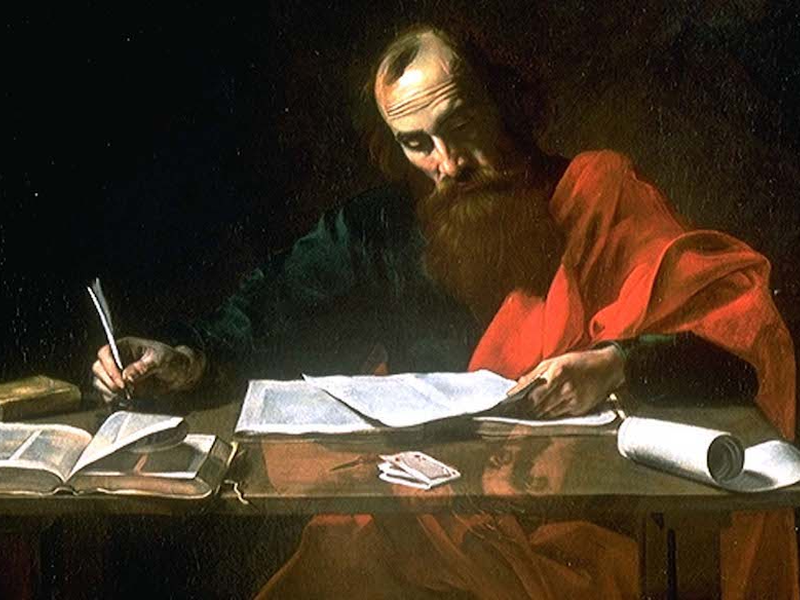
paul-2
Romans

Notes on Scary Stuff in Romans 9

What shall we say then? Is there injustice on God’s part? By no means! For he says to Moses, “I will have mercy on whom I have mercy, and I will have compassion on whom I have compassion.” So then it depends not on human will or exertion, but on…

by Mark HorneFebruary 5, 2015
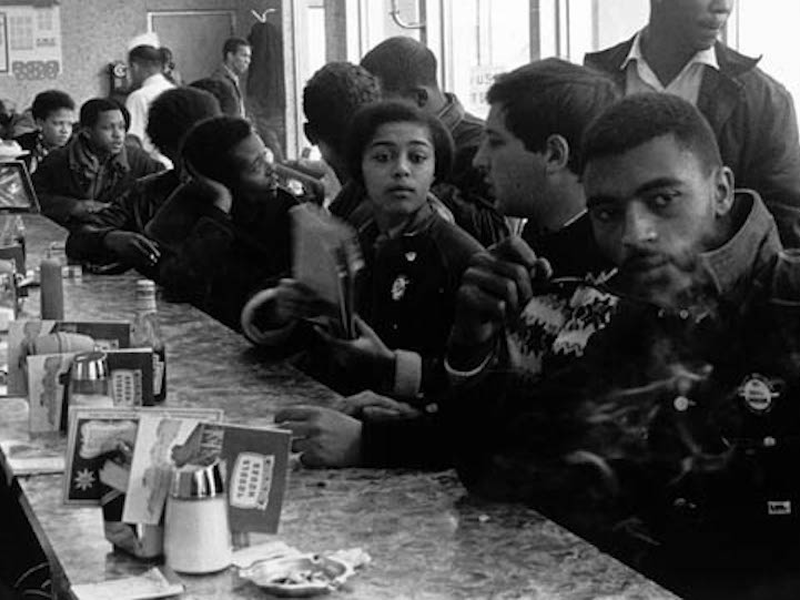
lunch-counter
American Politics

Covenants of Exclusion

A hundred years ago, William Warley signed a contract to buy a house in Louisville, Kentucky from Charles Buchanan, a white man. Before closing the sale, Warley, who was black, learned that the lot was subject to a city ordinance barring blacks from occupying the premises if most of the…

by Brendan O'DonnellFebruary 3, 2015
shakespeare-2
Literature

The Bard and the Book

I concluded the first essay on this topic by saying that I would introduce three books about Shakespeare and the Bible, but I decided to introduce four instead. The three books become four are: Naseeb Shaheen, Biblical References in Shakespeare’s Plays (London: Associated University Presses, 1999) ; Hannibal Hamlin, The…

by Ralph Allan SmithJanuary 29, 2015
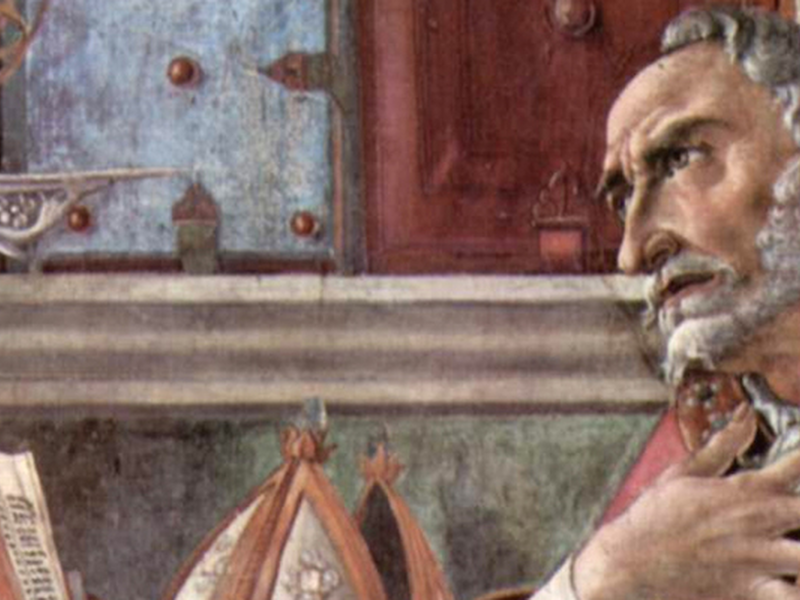
augustine-2
Augustine

Augustine on Pagan Virtue

My children attend a classical Christian school, situated in the independent “free church” evangelical tradition. Over the past few years they have been growing in their acquaintance with the world of Homer, Plato, Virgil, and Livy. They enjoy it, and I envy it. The school is a great school. My…

by Gerald HiestandJanuary 27, 2015
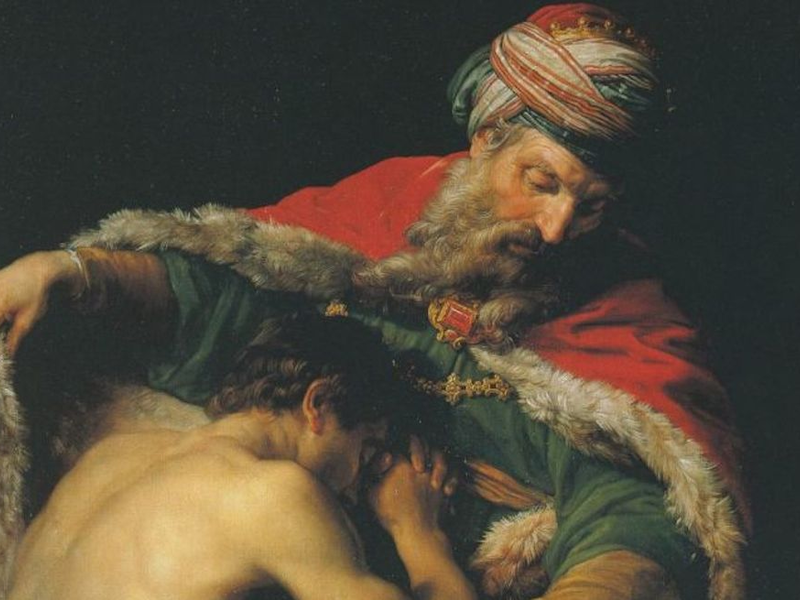
prodigal-son
Atonement

The Prodigal and the Cross

The Prodigal Son parable (Luke 15) has been a favorite of liberal theologians for a couple of centuries. It seems to be a parable designed for liberal sensibilities: An indulgent, accepting Father; forgiveness extended without a cross; a surly older brother who might represent the "conservative" face of religion who…

by Peter LeithartJanuary 22, 2015
sky-from-bridge
Ascension

Underground Man, Ascended Man

“I want now to tell you, gentlemen, whether you care to hear it or not, why I could not even become an insect. I tell you solemnly, that I have many times tried to become an insect. But I was not equal even to that. I swear, gentlemen, that to…

by Richard BledsoeJanuary 20, 2015

Showing page 161 of 309

See all

Showing page 38 of 43

See all

Parthian Invasion?

S ome commentators on Revelation give the Parthian empire a major role in the book. The Parthian empire stretched from the Euphrates to Iran; the Silk Road passed through, making it crucial to trade routes from the Roman empire to the far east. Romans and Parthians fought several times during…

November 15, 2016

Structure in 1 Chronicles 17

D avid wants to build Yahweh a house, and Nathan the prophet approves (1 Chronicles 17:1-2). That night, the word of Yahweh comes to Nathan to correct him. When Nathan delivers the oracle, David is a new Abraham, to whom the “Word of the Lord came” to promise the land…

November 14, 2016

Hegel the Theologian

E nrique Dussel ( Underside of Modernity ) explains Hegel’s defection from Kant in theological terms. Inspired by Schiller's distinction of reason as “the vital faculty of synthesis” and understanding as the faculty that “determines its object, separates it, kills it,” Hegel described the kingdom of Jesus in terms of…

November 11, 2016
Reformational Catholicism

Confessionalization and Division

I have only two quick responses to Toby Sumpter's generous and thoughtful review of (a part of) The End of Protestantism . First, he expresses the wish that I would have called the book The End of Denominationalism or somesuch, hinting that I chose the title because of its rhetorical…

November 11, 2016

Jezebel and Babylon

P aul Duff ( Who Rides the Beast? 90) calls attention to five parallels between the prophetess Jezebel of Thyatira (Revelation 2) and the harlot city Babylon (Revelation 17-18). “First, Ahab's wife was a queen—of the kingdom of Israel in the ninth century BCE; the regal bearing of ‘Babylon' in…

November 11, 2016

Dooyeweerdian Impasse

I n an essay on radical Augustinian social critique in his Religion, Truth, and Social Transformation , Lambert Zuidervaart summarizes the social vision of Herman Dooyeweerd with two themes: spiritual antithesis and structural differentiation. The antithesis is, for Dooyeweerd, “universal, comprehensive, and deeply spiritual,” running “right through the Christian life…

November 11, 2016

Showing page 232 of 2212

Browse by Category

In Medias Res

Your weekly digest for all things Theopolis.

Donate

Theopolis is nearly 100% donor-supported. Consider joining us on our mission.