Theopolis Logo

Writing

Explore our collection of theological essays, biblical studies, and reflections on faith and culture.

See all
paul-2
Romans

Notes on Scary Stuff in Romans 9

What shall we say then? Is there injustice on God’s part? By no means! For he says to Moses, “I will have mercy on whom I have mercy, and I will have compassion on whom I have compassion.” So then it depends not on human will or exertion, but on…

by Mark HorneFebruary 5, 2015
lunch-counter
American Politics

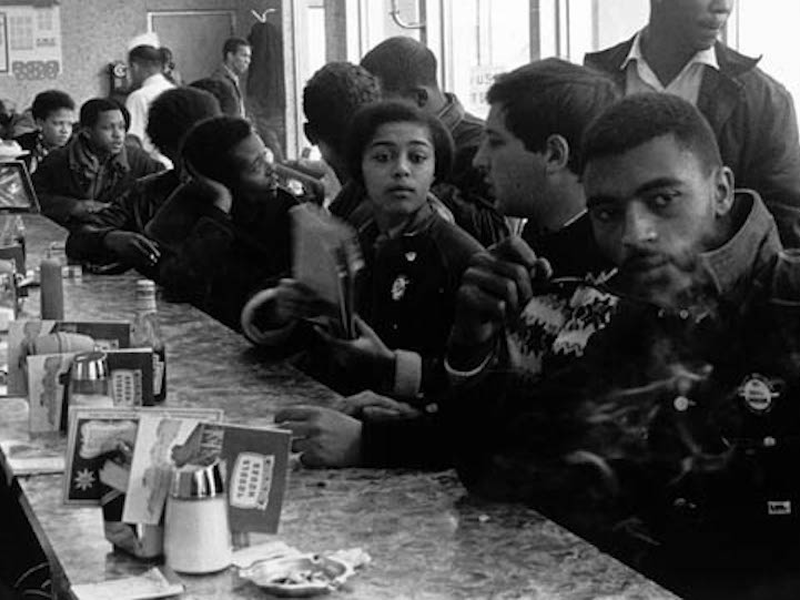
Covenants of Exclusion

A hundred years ago, William Warley signed a contract to buy a house in Louisville, Kentucky from Charles Buchanan, a white man. Before closing the sale, Warley, who was black, learned that the lot was subject to a city ordinance barring blacks from occupying the premises if most of the…

by Brendan O'DonnellFebruary 3, 2015
shakespeare-2
Literature

The Bard and the Book

I concluded the first essay on this topic by saying that I would introduce three books about Shakespeare and the Bible, but I decided to introduce four instead. The three books become four are: Naseeb Shaheen, Biblical References in Shakespeare’s Plays (London: Associated University Presses, 1999) ; Hannibal Hamlin, The…

by Ralph Allan SmithJanuary 29, 2015
augustine-2
Augustine

Augustine on Pagan Virtue

My children attend a classical Christian school, situated in the independent “free church” evangelical tradition. Over the past few years they have been growing in their acquaintance with the world of Homer, Plato, Virgil, and Livy. They enjoy it, and I envy it. The school is a great school. My…

by Gerald HiestandJanuary 27, 2015
prodigal-son
Atonement

The Prodigal and the Cross

The Prodigal Son parable (Luke 15) has been a favorite of liberal theologians for a couple of centuries. It seems to be a parable designed for liberal sensibilities: An indulgent, accepting Father; forgiveness extended without a cross; a surly older brother who might represent the "conservative" face of religion who…

by Peter LeithartJanuary 22, 2015
sky-from-bridge
Ascension

Underground Man, Ascended Man

“I want now to tell you, gentlemen, whether you care to hear it or not, why I could not even become an insect. I tell you solemnly, that I have many times tried to become an insect. But I was not equal even to that. I swear, gentlemen, that to…

by Richard BledsoeJanuary 20, 2015

Showing page 161 of 309

See all

Showing page 38 of 43

See all

Two Churches

J ohn Bale, bishop of Ossory from 1495 to 1563, was a polemicist and historian, author of the first known verse drama in English, and commentator on the Apocalypse. The latter is titled An Image of Both Churches , an examination of the true and false churches in the book…

September 9, 2016
Typology

Weavers and Ships

H ippolytus doesn’t convince with his interpretation of prophecy in On Christ and AntiChrist , but along the way he offers some lovely meditations on the cross and the church. The cross, He says, is the weaver’s loom on which Jesus makes His bridegroom robes: “whereas the Word of God…

September 9, 2016

The Big Story

I n a 2005 interview with the Paris Review , Australian poet Les Murray describes his family’s religious background, and the reasons for his conversion to Catholicism: The Murrays were old-style Free Kirk Presbyterians. They ranged from devout to indifferent, but most had at least a touch of that Calvinist…

September 9, 2016
Theology

The Task of Theology

T. A. Noble ( Holy Trinity, Holy People , 7) says this about the role of the Bible in theology in a discussion of the Wesleyan Quadrilateral (which, he rightly says, isn’t just Wesleyan): It is not the task of theology merely to expound and elaborate and refine the church’s…

September 9, 2016

Uncaused Events

I t’s been a metaphysical dogma for philosophers from Scholastics to Cartesians that an effect cannot be greater than its cause. John Milbank begs to differ. Writing in defense of the historicity of the Gospels’ account of the crucifixion ( Being Reconciled , 84), Milbank points out that “well-attested and…

September 9, 2016
Liberalism

Liberal totalitarianism

In a brilliant 2013 article in Communio , D.C. Schindler examines the “totalitarian logic of self-limitation” within liberal order. He argues that any actual common good must precede a particular person's share in the good; the whole precedes sharing by the parts. A ruse appears at the heart of liberal…

September 9, 2016

Showing page 255 of 2212

Browse by Category

In Medias Res

Your weekly digest for all things Theopolis.

Donate

Theopolis is nearly 100% donor-supported. Consider joining us on our mission.