
Theopolis Logo

Writing

Explore our collection of theological essays, biblical studies, and reflections on faith and culture.

See all
cloister

Gatekeepers

1 Chronicles 9:1 seems to bring the genealogies of 1 Chronicles to an end. The Chronicler has recorded the genealogy of the human race from Adam, focusing on the descendants of Abraham through Jacob. Summing it all up, he says, “So all Israel was enrolled by genealogies; and behold, they…

by Peter LeithartJune 21, 2016
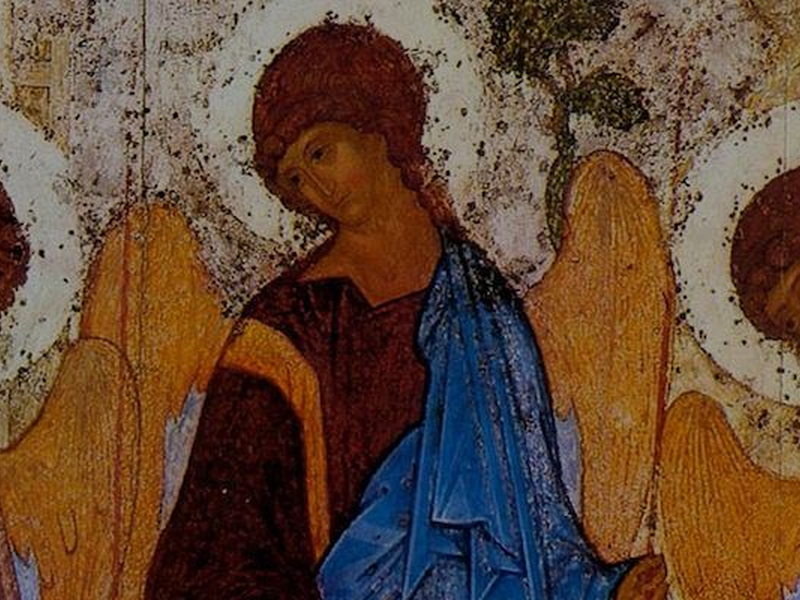
trinity-1-2
Trinity

Are the Divine Persons Persons?

The “personalist” understanding of the Trinity, articulated most influentially in the work of John Zizioulas, has fallen on hard times. Recent scholars have attacked Zizioulas’s idea that Cappadocian Trinitarianism represented an ontological revolution, hammering on the distinction between divine and human personhood. Michel Barnes’s conclusion is the most drastic of…

by Peter LeithartJune 16, 2016
img_4660-2
Architecture

On Biblical Theology

Biblical Theology is often defined as the historical unfolding of God’s revelation, or of God’s revelation and of the history of his covenantal redemption and transformation of humanity and the world. In practice, Biblical Theology is usually broader than this, and also includes the study of literary structure and of…

by James B. JordanJune 14, 2016
laughing_statue_by_xxbobbiie-d5f0meh-2
Humor

Wise Laughter

We are made to be happy. Created to enter into the eternal joy of God, our whole being inclines to that end, but the fallen world has put forth barriers and by our own sin we bar ourselves from that endless delight, and death blinds us to that reality. Yet…

by Remy WilkinsJune 7, 2016
img_7664
Liturgy

Why Theopolis? Take Two

At the end of Revelation, John sees the heavenly city descending to earth. The city shines with the brilliance of God's glory, which lightens the nations, so that kings bring their glory to the city. This is not a vision of the final new heaven and new earth. It's a…

by Peter LeithartJune 2, 2016
trinity-1-2
Attributes of God

How Can We Talk About God?

“No one has ever seen God,” writes John (John 1:18). If this is the case, then how can we speak about God? Some people say we actually cannot. Or at least we cannot speak about God positively, i.e. who He is. We can only say who or what God is…

by Bogumil JarmulakMay 31, 2016

Showing page 130 of 309

See all

Showing page 38 of 43

See all
Time

Time, Curse or Gift?

New Year's Day makes on reflective, at least about the past year, perhaps about life, perhaps, more broadly, about time itself. Many view time as a curse. Some see it as a curse because of missed chances. As one day or year moves on to the next, all we can…

December 31, 2015

Lordly Obedience

Paraphrased/quoted from Karl Barth, Church Dogmatics , 4.1, pp. 185ff. In the incarnation, the eternal Son of God makes His way into a far country, and takes on the form of a servant. “But the incarnation, the taking of the form of the servant, means not only that God becomes…

December 24, 2015

The Harvest

GB Caird ( The Revelation of St John the Divine ) has a superb discussion of the harvest scene at the end of Revelation 14. He takes it not as a depiction of horrific judgment but rather as the harvest of the saints in martyrdom. He points out that Jesus…

December 24, 2015

Jews, Muslims, Christians

In his Washington Post piece about the Wheaton College controversy, Miroslav Volf equates Christian positions on Islam to Christian views of Judaism: “Christian theologians neither insisted that they worship a different God than Jews nor did they accuse Jews of idolatry. That’s a step that would have been easy to…

December 24, 2015

Economy on Steroids

The Economist's Schumpeter reports on the extreme physical disciplines of top American executives - early rising, strenuous exercise, frenetic pace. Then this: “according to one CEO, several of his peers are now dabbling in mind-boosting drugs such as Modafinil and Ritalin, which aid concentration. This trend is likely to intensify:…

December 23, 2015

Hamann, Kant, Enlightenment

According to Hamann, the guilt of the dependent is not in “laziness or cowardice,” as Kant seems to imply. “No, in the blindness of his guardian who pretends to see, and precisely for this reason must assume responsibility for the guilt of all.” Again, “How can one mock the laziness…

December 23, 2015

Showing page 337 of 2212

Browse by Category

In Medias Res

Your weekly digest for all things Theopolis.

Donate

Theopolis is nearly 100% donor-supported. Consider joining us on our mission.