Theopolis Logo

Writing

Explore our collection of theological essays, biblical studies, and reflections on faith and culture.

See all
hebrew-manuscript-2
Atonement

Footstool of His Feet

The translation and theology of the Hebrew term kapporet have long been puzzling to scholars. On the translation of the term, I have nothing new to offer. I wish instead to concentrate on the theological symbolism of the kapporet . The kapporet was the solid gold slab that laid "above"…

by Peter LeithartMarch 9, 2017

screen-shot-2016-03-31-at-9-32-11-am
Art

The Hermeneutics of Haiku

“Three lines are enough” -Rabindranath Tagore My second favorite((I frequently use the “my second favorite” as a figure of speech meaning: “here’s a good one” and to also prompt the question, “What’s your first favorite?”)) haiku was written by some internet wag: Haikus are easy But sometimes they don’t make…

by Remy WilkinsMarch 7, 2017
neon-bible
Biblical Studies

The Scriptures Made Strange

The history of the Reformation couldn’t adequately be recounted without discussing the remarkable role played by the relatively recent innovations and developments in book production and printing. The printing press facilitated the rapid production and dissemination of multiple copies of pamphlets and books, which enabled the Reformers to circulate their…

by Alastair RobertsMarch 2, 2017
cross-grunwald
Church Calendar

School of Suffering

As evangelicals, we’re convinced that Christ’s work is finished, complete, and utterly sufficient. For many evangelicals, this is the gospel: Nothing can take away from Christ’s work, and surely nothing can be added to it by my works or my penance, by self-denial or sacraments or sacrifice. Nothing is lacking…

by Peter LeithartFebruary 28, 2017
img_0166
Eucharist

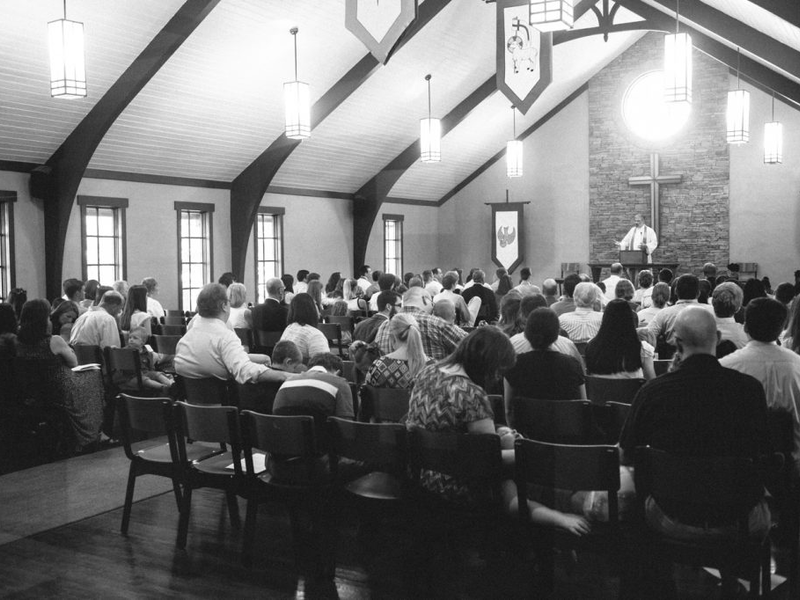
Worship and Ceremony: Part 1

Evangelicalism needs a return to formal and Biblical worship. Worship is a public act, performed on the surface of God's true altar, the world, before His throne. Man's chief end is to glorify and enjoy God, and worship is done for God's pleasure. It is man's highest privilege to dance…

by James B. JordanFebruary 23, 2017
paul
Romans

Grace Reigns In Death

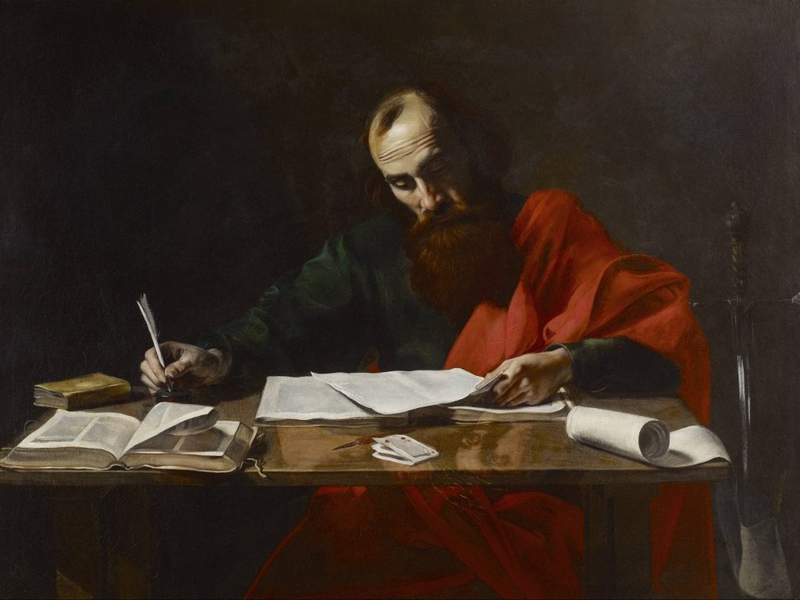
The evidence of sin and its death ruling in the world is clear. Paul describes the situation vividly in the opening section of his letter to the Romans. No matter who you are, Jew or Gentile, you have the same problem: you are “under sin” (Romans 3:9). Being under sin…

by Bill SmithFebruary 21, 2017

Showing page 116 of 309

See all

Showing page 38 of 43

See all

Ritual and Spontaneity

For the first 1500 years of its existence, Christianity was a liturgical faith. That began to change with Wyclif and the Hussites, and the Reformation produced permanent forms of un- and even anti-liturgical Christianity. Ceremony took on negative connotations, synonymous with hollowness and superstition. Ritual was no longer seen as…

October 13, 2015

Locusts and Honey

John the Baptist is presented in the gospels as the fulfillment of the Old Testament promise that God would send His messenger to prepare the way for the coming of the glory of the Lord (Isaiah 40), and the promise to send Elijah before Him to turn the people to…

October 12, 2015
Eucharist

Showing the Lord's Death

How does the Lord’s Supper proclaim the death of Jesus until He comes? (1 Corinthians 11:26). Historically, liturgists have attempted to locate some act in the rite of the Supper that corresponds to the death of Jesus: the fraction (breaking of bread), or the fact that bread and wine are…

October 12, 2015

Eucharistic Modalism

One of the earliest Trinitarian heresies is called “modalism.” It taught that the “persons” of the Trinity are not distinct persons, but only the masks or roles that the one Person of God adopts at various times. The fundamental problem with modalism is that it stretches out a veil, or…

October 12, 2015

Irritability and Intellect

We like to pretend our notions are the product of careful study and rational analysis. We like to pretend our likes and dislikes are deeply rooted in principle. Montaigne thought otherwise. In “An Apology for Raymond Sebond,” he wrote, “I have seen some, who without infringing their patience, could not…

October 12, 2015

From the Mouth

Four times Revelation refers to the sword that comes from the mouth of Jesus, twice at the beginning of the book (1:16; 2:16) and twice at the end (19:15, 21). Jesus' mouth-sword frames the book, and the four uses hint at His universal conquest: Jesus will extend the reign of…

October 9, 2015

Showing page 365 of 2212

Browse by Category

In Medias Res

Your weekly digest for all things Theopolis.

Donate

Theopolis is nearly 100% donor-supported. Consider joining us on our mission.