Theopolis Logo

Writing

Explore our collection of theological essays, biblical studies, and reflections on faith and culture.

See all
cloister

Gatekeepers

1 Chronicles 9:1 seems to bring the genealogies of 1 Chronicles to an end. The Chronicler has recorded the genealogy of the human race from Adam, focusing on the descendants of Abraham through Jacob. Summing it all up, he says, “So all Israel was enrolled by genealogies; and behold, they…

by Peter LeithartJune 21, 2016
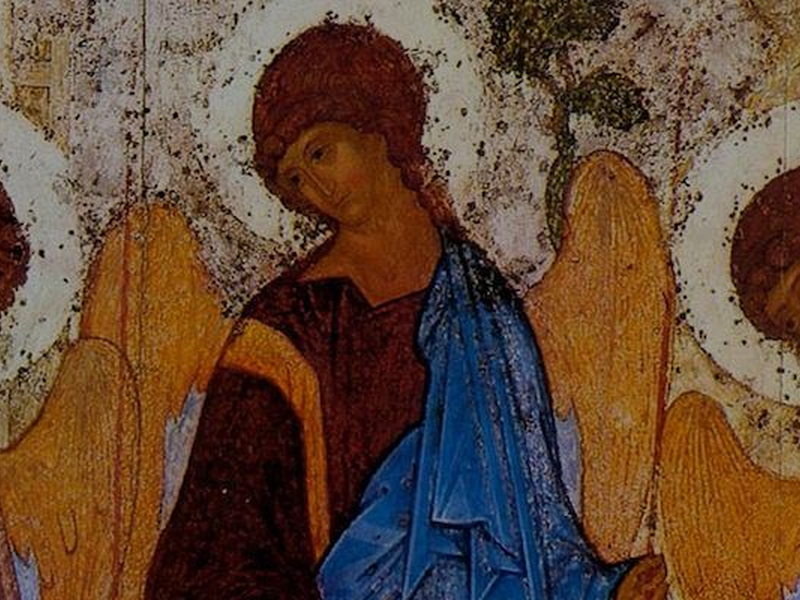
trinity-1-2
Trinity

Are the Divine Persons Persons?

The “personalist” understanding of the Trinity, articulated most influentially in the work of John Zizioulas, has fallen on hard times. Recent scholars have attacked Zizioulas’s idea that Cappadocian Trinitarianism represented an ontological revolution, hammering on the distinction between divine and human personhood. Michel Barnes’s conclusion is the most drastic of…

by Peter LeithartJune 16, 2016
img_4660-2
Architecture

On Biblical Theology

Biblical Theology is often defined as the historical unfolding of God’s revelation, or of God’s revelation and of the history of his covenantal redemption and transformation of humanity and the world. In practice, Biblical Theology is usually broader than this, and also includes the study of literary structure and of…

by James B. JordanJune 14, 2016
laughing_statue_by_xxbobbiie-d5f0meh-2
Humor

Wise Laughter

We are made to be happy. Created to enter into the eternal joy of God, our whole being inclines to that end, but the fallen world has put forth barriers and by our own sin we bar ourselves from that endless delight, and death blinds us to that reality. Yet…

by Remy WilkinsJune 7, 2016
img_7664
Liturgy

Why Theopolis? Take Two

At the end of Revelation, John sees the heavenly city descending to earth. The city shines with the brilliance of God's glory, which lightens the nations, so that kings bring their glory to the city. This is not a vision of the final new heaven and new earth. It's a…

by Peter LeithartJune 2, 2016
trinity-1-2
Attributes of God

How Can We Talk About God?

“No one has ever seen God,” writes John (John 1:18). If this is the case, then how can we speak about God? Some people say we actually cannot. Or at least we cannot speak about God positively, i.e. who He is. We can only say who or what God is…

by Bogumil JarmulakMay 31, 2016

Showing page 130 of 309

See all

Showing page 38 of 43

See all
American Religion

America and the Outsiders

Laurence Moore's Religious Outsiders and the Making of Americans is a study of American religion that is not considered “mainstream” or “mainline”—Mormons, Catholics, Jews, Christian Science, Fundamentalists, Black churches. The goal is not to fill in a gap. The goal is to challenge the assumption that the “mainline” should function…

September 21, 2015

Sabbath

After John introduces the new scene – “I saw another sign in the heaven, great and marvelous” – the sign is described with two clauses (Revelation 15:1). The first is, woodenly translated, “angels seven having plagues seven the last”; and the second it “in them finished the passion of God.”…

September 21, 2015
Christendom

Christendom v. Christendom

Both Old and New Testaments, writes David Martin ( Pentecostalism , 12) include principles that “by persistent extension and deepening . . . can divest systems of authority of their justification and turn law into a matter of inward judgement and sincerity rather than external observance.” “Rend your heart and…

September 21, 2015

Blindness and Sight

Greek myths valorize blindness. Tiresias is a blind seer, and when Oedipus finally “sees,” he becomes Tiresias, digging out his eyes with Jocasta's brooches. The bard who sings of the Trojan War in the Odyssey is, like Homer himself, blind. For the Greeks, the sightless are the true seers. Scripture…

September 18, 2015

Power, Propaganda, Pack

The saints playing harps and singing on the fiery firmament are there because they are victorious over three enemies: the beast, the image of the beast, and the number of the beast's name (Revelation 15:2). When we look back at how those three are presented earlier in Revelation, we realize…

September 18, 2015

Girard and the Gospel

Girard's theory of scapegoating as the great virtue of explaining how the death of Jesus can remake human society. By refusing to acknowledge sin, Jesus becomes the innocent scapegoat, and thereby exposes the scapegoat mechanism for what it is. That exposure is the good news, and undoes the perverse dynamics…

September 18, 2015

Showing page 374 of 2212

Browse by Category

In Medias Res

Your weekly digest for all things Theopolis.

Donate

Theopolis is nearly 100% donor-supported. Consider joining us on our mission.