Theopolis Logo

Writing

Explore our collection of theological essays, biblical studies, and reflections on faith and culture.

See all
paul-2
Romans

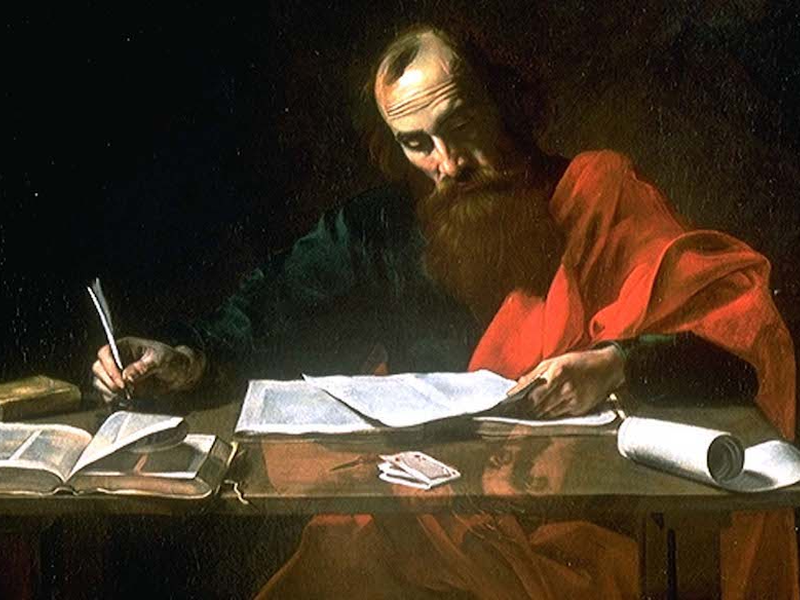
Notes on Scary Stuff in Romans 9

What shall we say then? Is there injustice on God’s part? By no means! For he says to Moses, “I will have mercy on whom I have mercy, and I will have compassion on whom I have compassion.” So then it depends not on human will or exertion, but on…

by Mark HorneFebruary 5, 2015
lunch-counter
American Politics

Covenants of Exclusion

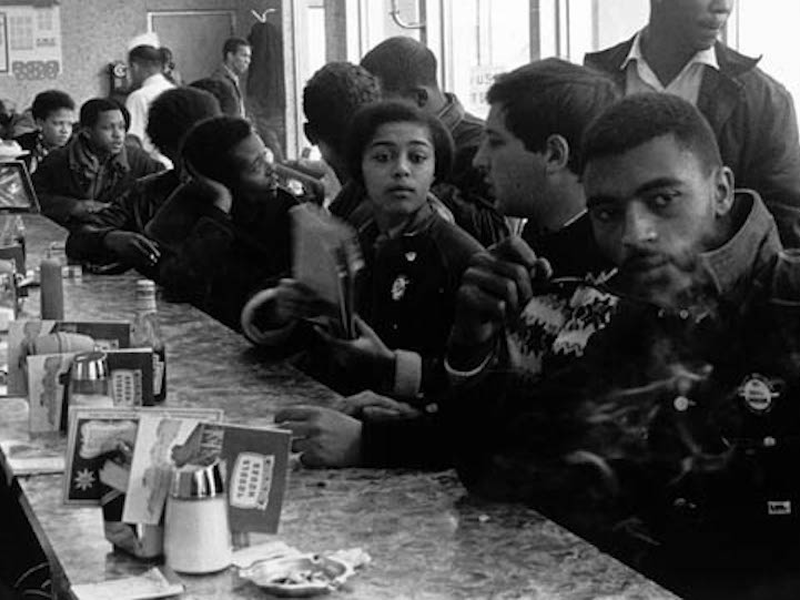
A hundred years ago, William Warley signed a contract to buy a house in Louisville, Kentucky from Charles Buchanan, a white man. Before closing the sale, Warley, who was black, learned that the lot was subject to a city ordinance barring blacks from occupying the premises if most of the…

by Brendan O'DonnellFebruary 3, 2015
shakespeare-2
Literature

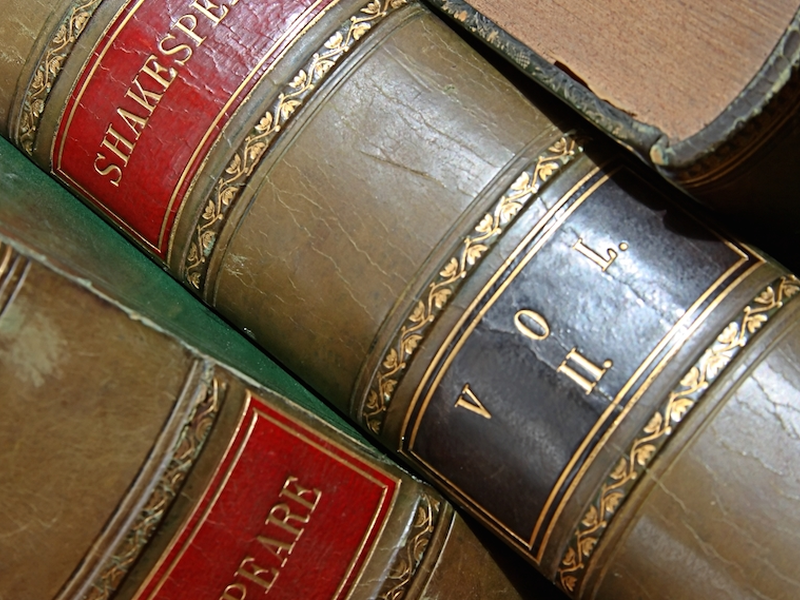
The Bard and the Book

I concluded the first essay on this topic by saying that I would introduce three books about Shakespeare and the Bible, but I decided to introduce four instead. The three books become four are: Naseeb Shaheen, Biblical References in Shakespeare’s Plays (London: Associated University Presses, 1999) ; Hannibal Hamlin, The…

by Ralph Allan SmithJanuary 29, 2015
augustine-2
Augustine

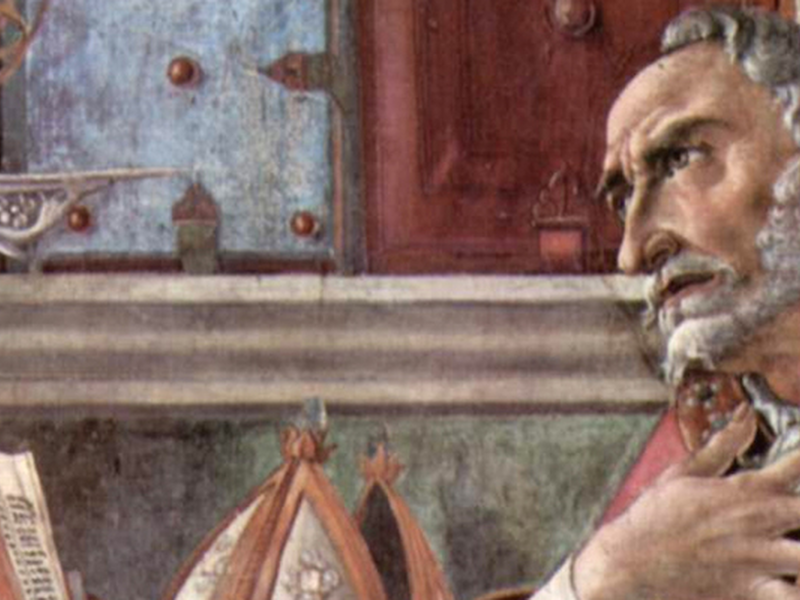
Augustine on Pagan Virtue

My children attend a classical Christian school, situated in the independent “free church” evangelical tradition. Over the past few years they have been growing in their acquaintance with the world of Homer, Plato, Virgil, and Livy. They enjoy it, and I envy it. The school is a great school. My…

by Gerald HiestandJanuary 27, 2015
prodigal-son
Atonement

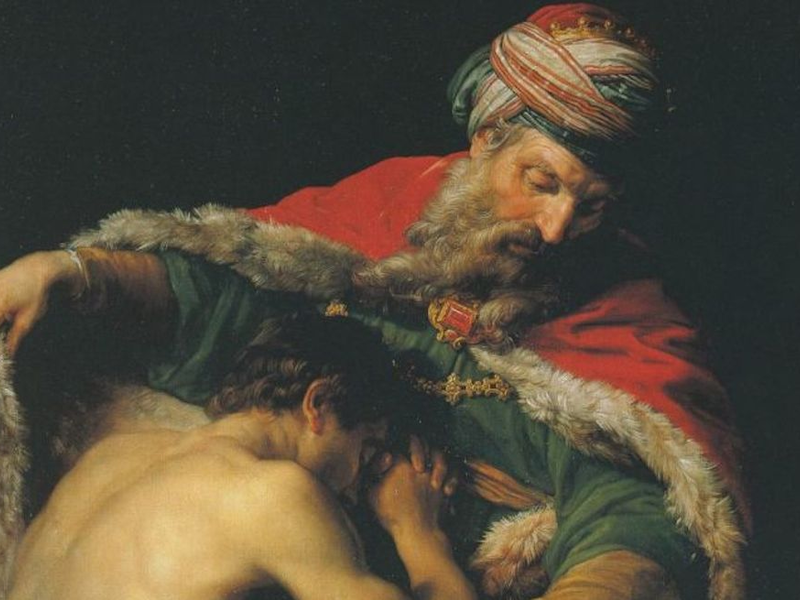
The Prodigal and the Cross

The Prodigal Son parable (Luke 15) has been a favorite of liberal theologians for a couple of centuries. It seems to be a parable designed for liberal sensibilities: An indulgent, accepting Father; forgiveness extended without a cross; a surly older brother who might represent the "conservative" face of religion who…

by Peter LeithartJanuary 22, 2015
sky-from-bridge
Ascension

Underground Man, Ascended Man

“I want now to tell you, gentlemen, whether you care to hear it or not, why I could not even become an insect. I tell you solemnly, that I have many times tried to become an insect. But I was not equal even to that. I swear, gentlemen, that to…

by Richard BledsoeJanuary 20, 2015

Showing page 161 of 309

See all

Showing page 38 of 43

See all

Contra Faustum, I

As is well known from Confessions , Faustus played a crucial role in Augustine’s formation. As a young Manichean Auditor and devotee of astrology, Augustine puzzled over philosophical and quasi-scientific conundrums that he wanted to pose to a Manichean master. When Bishop Faustus visited Carthage, Augustine found him affable, humble,…

May 13, 2015

Contra Faustum, II

Though Augustine had the arsenal of the contra Iudaeos tradition at hand in responding to Faustus, he had become dissatisfied with it. After his debate with Fortunatus the Manichean, Augustine had embarked on a deep study of Paul and Genesis and came to recognize the weaknesses of this tradition, whose…

May 13, 2015

Contra Faustum, III

When Augustine turns to the typology of unclean foods in his reply to Faustus, he introduces a linguistic analogy that lays a foundation for the later arguments. Paul’s claim that all things are clean (1 Timothy 4:4) does not contradict the Old Testament, since Paul is talking about the nature…

May 13, 2015

Un-Creation

Revelation 12-14 roughly follows the sequence of the first half of the week of creation. The overall movement is from heaven to sea to earth. Genesis 1 begins with light, then the separation of waters above and below, the formation of sea and land. We can be more specific. Land…

May 12, 2015

Machen and the Monkeys

In The Dome of Eden , Stephen Webb wonders what might have happened if J. Gresham Machen, Princeton theologian and founder of Westminster Theological Seminary, had been at the Scopes trial. In Webb's account, Machen's main concern was to challenge the naturalistic presumptions of Darwinism: “Machen never rejected the basic…

May 12, 2015

Liquid life

In Purity Rabbinic Judaism (46), Jacob Neusner comments on the role of liquidity in the purity system: “Dry inanimate objects or food are not susceptible to uncleanness. What is wet is susceptible. So liquids activate the system.” A dead animal on a pile of grain contaminates only the grain that…

May 12, 2015

Showing page 427 of 2212

Browse by Category

In Medias Res

Your weekly digest for all things Theopolis.

Donate

Theopolis is nearly 100% donor-supported. Consider joining us on our mission.