Theopolis Logo

Writing

Explore our collection of theological essays, biblical studies, and reflections on faith and culture.

See all
tanner-mardis-xuxghzhibn4-unsplash-1-2
Biblical Studies

Tweets-turned-Notes on the Bible’s Chronology

Summary In what follows, I will consider the “year-stamps” employed in Scripture, i.e., statements of the form, “Such-and-such an event took place in the Xth year of Y.” In the process, I will suggest some ways in which the Biblical narrative might relate to events in the extra-Biblical world, though…

by James BejonJuly 16, 2019
durer-prodigal-son-2
Luke

Perspectives on the Prodigal, (Part 2)

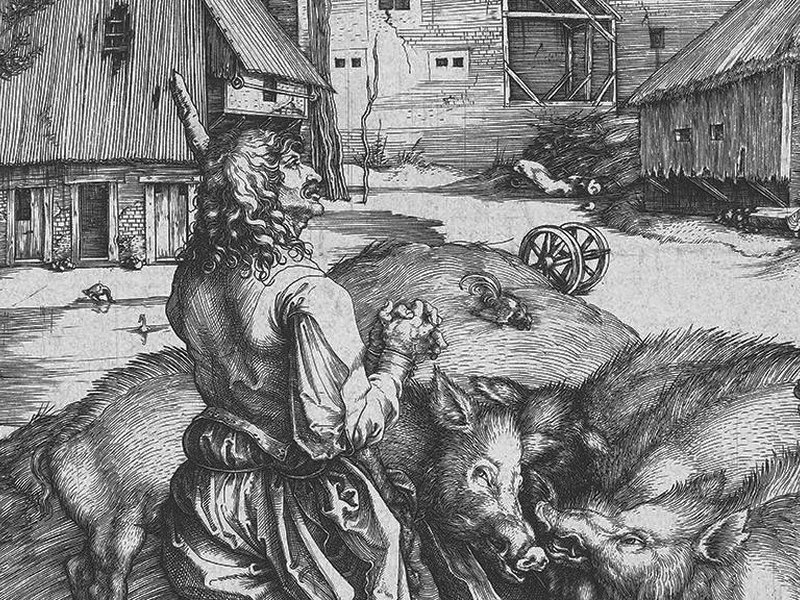
In the first essay on the parable of the Prodigal Son, I suggested that the problems commentators and others encounter in interpreting Jesus three-part parable are not accidental. These are not just problems in our ignorance of cultural background. They are intentional features of the stories —stories designed to poke…

by Ralph Allan SmithJuly 11, 2019
durer-prodigal-son-2
Luke

Perspectives on the Prodigal, (Part 1)

The story of the Prodigal Son is perhaps the most well-known story in the Bible. As others have observed, it may also be one of the most misunderstood. In two short essays, I will point out features of this story that are commonly neglected, aspects of Jesus’ parable that might…

by Ralph Allan SmithJuly 9, 2019
de-rijke-man-en-de-arme-lazarus-by-jacopo-da-ponte-16th-century
Luke

Lazarus and the Rich Man

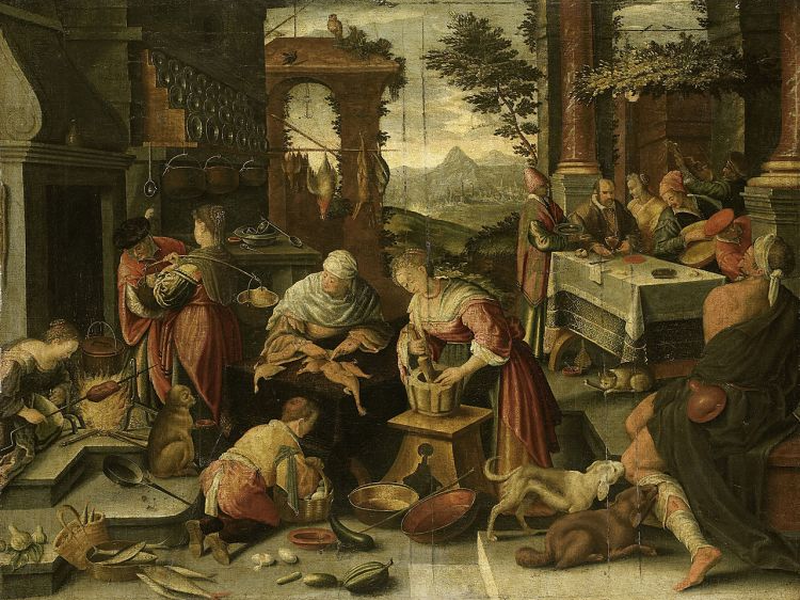
The parable of Lazarus and the nameless rich man is not an independent story. It is part of a long context that begins in Luke 15:1, where Jesus is eating with tax collectors and sinners and the scribes and Pharisees grumble. In response to their hardheartedness, Jesus tells a three-part…

by Ralph Allan SmithJuly 4, 2019
aaron-burden-uynrnfdkjwg-unsplash
Luke

Everybody has Dropsy - Luke 14:1-24

The Bible is written so that even when a reader cannot pick up on what might be deeper or more detailed aspects of a text, there is virtually always a message to be heard. In the ancient world, where the “reader” of Scripture would likely be a church official facing…

by Ralph Allan SmithJuly 2, 2019
communion
Biblical Theology

Fruit Trees and Grain Plants

The distinction between garden (or vineyard) and field begins in Genesis 2. This relates to the ordering of the formless world. Plants of the field are contrasted with the garden planted by God in Genesis 2:5&8. Later on, under the Old Covenant the Israelites will be required to keep their…

by James B. JordanJune 27, 2019

Showing page 77 of 309

See all

Showing page 38 of 43

See all

Incarnational Theology

The Incarnation of God by John Clark and Marcus Peter Johnson is an excellent book. This accessible book offers a mini-systematics from the perspective of the incarnation, showing how the incarnation affects our understanding of God and His attributes, atonement and salvation, church and sacraments. They end with a chapter…

March 16, 2015

The Disappearing Body

T he dead have gone missing from the realm of the living,” observes Candi Cann in Virtual Afterlives (xi). “They are, like their memorials, repackaged, the very disjuncture of death denies in its most crucial moment.” Death has moved from the home and family to the hospital and the funeral…

March 16, 2015

Post-Post-Secular Politics

William Viestenz's By the Grace of God joins a growing list of books that, invoking Carl Schmitt and others, argues that secular politics has never been secular, but always parasitic on sacred politics. Viestenz's book is not an exercise in theory, however, but a theoretically-attentive historical study of the Spain…

March 16, 2015

Giving God

God Himself is a Giver of Gifts. His eternal life is a life of give and counter-gift. Our God is the giving God. We can start with James 1:5, 17. Verse 17 tells us that every good thing and every gift is ultimately from God, who gives relentlessly, without reproaching…

March 13, 2015

In the Image of the Giver

Human beings are made in the image of the giving God, and this suggests that giving, reception, and return are part of the cycle of human existence as well. Man is created as a recipient of gifts; Adam’s very existence is a gift that God is not constrained to give,…

March 13, 2015

Members for Righteousness

We die to sin in baptism, Paul says. Liberated from sin, we are to devote the members of our bodies to God and His righteousness. We already participate in Jesus' resurrection; His resurrection power is already at work in our bodies (Romans 6). What might that mean? What does it…

March 13, 2015

Showing page 452 of 2212

Browse by Category

In Medias Res

Your weekly digest for all things Theopolis.

Donate

Theopolis is nearly 100% donor-supported. Consider joining us on our mission.