Theopolis Logo

Writing

Explore our collection of theological essays, biblical studies, and reflections on faith and culture.

See all
harshit-sharma-wertrhhtz4s-unsplash-2
Revelation

The Seven Thunders, An Interpretive Suggestion

And He cried out with a loud voice, as when a lion roars; and when He had cried out, the seven thunders spoke their voices (Revelation 10:3). In Revelation 10 John sees Jesus come down to him from heaven with a little book in His hand. Jesus cries out with…

by James B. JordanOctober 7, 1994
hebrew-manuscript-2
Biblical Chronology

Genesis 5 & 11: Chronological-Theological Reflections

The numbers found in Genesis 5 & 11 display characteristics that indicate a complex and meticulous symbolic schematization operating at several levels. Because these numbers are so potent symbolically, unbelieving scholars have universally (as far as I know) treated them as artificial. Believers take them literally, but believers must also…

by James B. JordanOctober 7, 1994

screen-shot-2023-04-04-at-5-01-54-pm
Revelation

The Kings From the East

And the sixth angel poured out his bowl upon the great river, the Euphrates; and its water was dried up, that the way might be prepared for the kings from the east [sunrising]. (Revelation 16:12) The kings from the east in Revelation 16:12 are generally assumed to be enemies of…

by James B. JordanSeptember 10, 1994
timothy-eberly-djj49s6ud2o-unsplash
Biblical Studies

Covenants and Dates

During my brief sojourn as a pastor during the 1980s, I had several occasions to be involved in settling disputes between men in the congregation I served. A typical dispute went like this: Two men formed a company to do business. After a few years, the business went sour, and…

by James B. JordanSeptember 10, 1994
kiwihug-l4gw27xzn1i-unsplash
Revelation

The Grape Harvest of Revelation 14:17-20

The two harvests of Revelation 14:14-20, of grain and of grapes, are most often understood as symbolic of God’s judgment against the wicked, or against Babylon, as amplified in chapters 16 & 17. Some commentators, however, notice that the gospels speak of the grain harvest as a reaping of the…

by James B. JordanAugust 10, 1994
aaron-burden-h8s0pf2rcqs-unsplash
Deuteronomy

The Chronology of the Pentateuch (Part 6)

(Conclusion of Chapter 16 in the previous Biblical Chronology Article) Month 3, 2513 According to Leviticus 23:15-16, Pentecost was to be observed 50 days after the sabbath after Passover, or 49 days after the Feast of First Fruits. I initially based my reflections on the Jewish tradition that the Law…

by James B. JordanAugust 10, 1994

Showing page 276 of 309

See all

Showing page 38 of 43

See all

Anointed Bread

Leviticus is the oilest book of the Bible. The Hebrew shemen is used 42 times (6 x 7); the closest competitor is Numbers, with 34 uses. The uses of shemen are clustered. Leviticus 2 uses the word 9 times, all with reference to the preparation of the tribute offering (…

March 25, 2019
egptian-art

Broken Noses

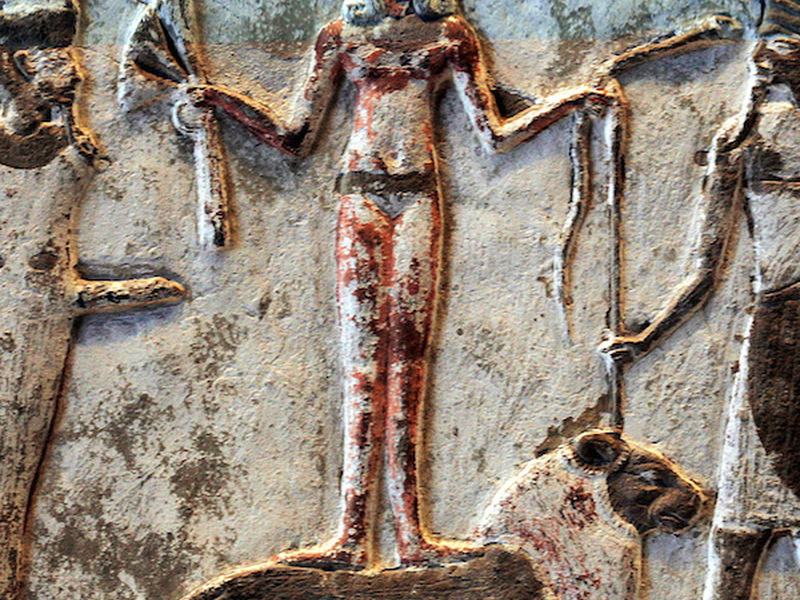
Why do so many Egyptian statues have broken noses? Julia Wolkoff summarizes the answer of Brooklyn Museum curator Edward Bleiberg. Noses protrude, and so are more apt to be knocked off accidentally, but the pattern is too consistent to be accident. Erosion could account for some, but not all. Bleiberg…

March 20, 2019
13714bedda625c2ec1816f0890ed72f4-snow-storms-image-photography
Ecclesiology

Ecclesial Ethics

Some snippets from Philip Turner's Christian Ethics and the Church . The premise of Turner's book is well summarized by a passage he quotes from Sabina Lovibond's Ethical Formation : "The ethical, let us say, pertains to what people learn to value through immersion in a community acquainted with ideas…

March 13, 2019

Nose to Nose

Levitical offerings send a "soothing aroma" ( reyach nichoach ) to Yahweh. Israel needs to produce good smells because her sin is noxious to Yahweh. When Israel rebels, His "nose burns." By slaughtering a substitute animal and turing it to smoke, Israel soothes Yahweh's hot nose. But that can't be…

March 11, 2019
Pneumatology

Reading in the Spirit

“Spiritual reading” is usually associated with patristic, monastic, and medieval modes of reading. It's fruitful, however, to shift the focus and ask what the Spirit has to do with our reading. The Spirit is the enlivening breath of God, the water of God who makes us into a fruitful garden.…

March 6, 2019
capitol-dc
Liberalism

Liberalism and Ecclesia

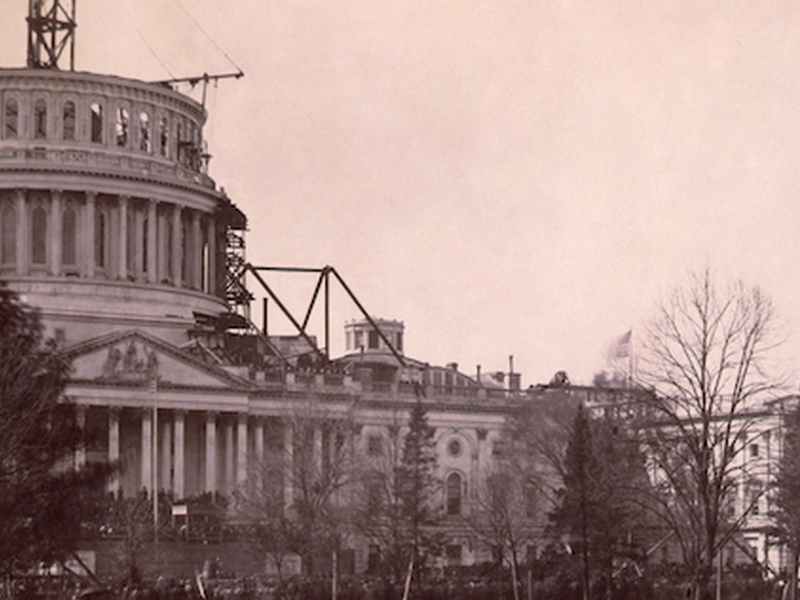
Liberalism is "in origin primarily a refusal of ecclesial power." So write John Milbank and Adrian Pabst ( Politics of Virtue , 31). In refusing ecclesial power, early modern political theorists renounced the arrangement of Latin Christendom. The "first polity knowing no bounds and truly based upon the rule of…

March 4, 2019

Showing page 46 of 2212

Browse by Category

In Medias Res

Your weekly digest for all things Theopolis.

Donate

Theopolis is nearly 100% donor-supported. Consider joining us on our mission.