
Theopolis Logo

Writing

Explore our collection of theological essays, biblical studies, and reflections on faith and culture.

See all
2001_a_space_odyssey_1-970x545
Biblical Horizons

2001: A Space Odyssey

In the November 1993 issue of Open Book Peter Leithart commented briefly on gnosticism. The film 2001 is a great specimen of gnosticism, and is worth viewing as a Sunday School project for an adult class. The author of the basic story was Arthur C. Clarke, an old-school science fiction…

by James B. JordanJanuary 6, 1994
alfred-hitchcock
Biblical Horizons

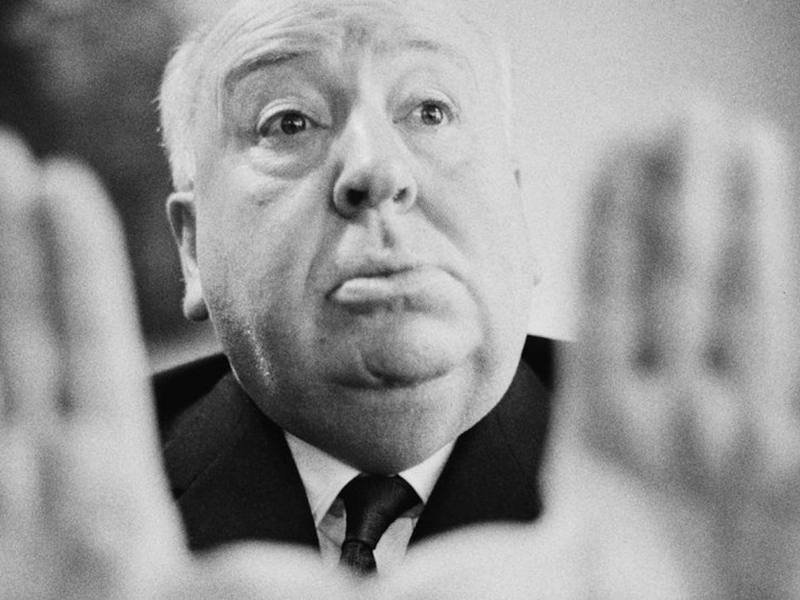
Two Films by Alfred Hitchcock

Alfred Hitchcock’s earlier movies display a strongly moral, even Christian, point of view, and certainly can be enjoyed by Christian viewers. His later works, such as Psycho , The Birds , and his television series, are not as clearly moral in tone. In these later efforts, Hitchcock brought humorous or…

by James B. JordanJanuary 6, 1994

david-weber-fwuo_zluhnw-unsplash
Leviticus

Cult and Communication

“What art thou, thou idol ceremony?” asked Henry V during his midnight rounds of the English camp near Agincourt. His answer was that ceremony was both nothing and everything. It was nothing in the sense that it offered no guarantee that the king would be fit for office. Contrary to…

by Peter LeithartDecember 20, 1993
screenshot-2023-07-27-at-10-25-35-am
Biblical Studies

Which Sacred Writings?

You, however, continue in the things you have learned and become convinced of, knowing from whom you have learned them; and that from childhood you have known the sacred writings which are able to give you the wisdom that leads to salvation through faith which is in Christ Jesus. All…

by Peter LeithartDecember 20, 1993
daniel-day-media-bzkf1nk-vpq-unsplash
Biblical Horizons

The Production of the New Testament Canon: A Revisionist Suggestion

My research has led me to the conviction that there are three major periods of Biblical history, which lead to a fourth. These are the Ages of the Father, the Word, and the Spirit. The First Age, that of the Father, is recorded in the book of Genesis. It focuses…

by James B. JordanDecember 6, 1993
Exodus

Egypt in Biblical History

Both Bible history and the current consensus chronology of the ancient world are tied up intimately with Egyptian history and chronology. Thus, as we broaden Biblical Chronology beyond the matter of adding up numbers and try to integrate Biblical chronology with the ancient world, the place to start would seem…

by James B. JordanDecember 6, 1993

Showing page 282 of 309

See all

Showing page 39 of 43

See all

Suffer the Children

Judith Gundry's contribution to The Child in the Bible examines the place of children in Mark's gospel, with particular focus on the episode of Jesus blessing the children. It's an illuminating essay. Mark includes no infancy narratives, but regularly shows Jesus exerting the power of the kingdom to rescue and…

November 14, 2017

Justification in the Age of Emancipation

In his Happiness Paradox , Ziyad Marar explores the sources of "justification." Humiliation is a uniquely human form of suffering. How do we deal with it? Our strategies for staving off humiliation are strategies of "justification." Freud offers some possibilities, He "enumerates a range of ways we avoid this kind…

November 13, 2017

Mystical Atheism

Virginia Woolf, atheist though she was, couldn't avoid religious language when she spoke about her writing. Writing began from "a revelation of some order; it is a token of some real thing behind appearances; and I make it real by putting it into words." It was her "shock-receiving capacity is…

November 10, 2017

Tales of Reason

Robert Brandom ( Tales of the Mighty Dead , 13-14) observes a continuity between Hegel and Kant: Both take concepts as "norms for judgment. They determine proprieties of application to particulars of terms that, because of the normative role they play in such judgments, express universals." But then Hegel adds…

November 10, 2017

Tridentine Utraquism

Did the Council of Trent allow communion in both kinds, in bread and wine? The answer is complicated. Nathan Mitchell ( Oxford History of Christian Worship , 338-9) writes that "After intense behind-the-scenes negotiations, Pope Pius IV authorized communion in both species for German (16 April 1564). In effect, the…

November 10, 2017
Reformation

Misreading the Reformation

Reviewing Carlos Eire's Reformations at First Things , Eamon Duffy claims that "Protestantism 'desacralized' the world by accepting an essentially binary division of reality into spirit and matter. That division was expressed in Reformation iconoclasm and the rejection of the notion that material objects—the bread and wine of the Mass,…

November 10, 2017

Showing page 123 of 2212

Browse by Category

In Medias Res

Your weekly digest for all things Theopolis.

Donate

Theopolis is nearly 100% donor-supported. Consider joining us on our mission.