Theopolis Logo

Writing

Explore our collection of theological essays, biblical studies, and reflections on faith and culture.

See all
308750rgsdl
Biblical Theology

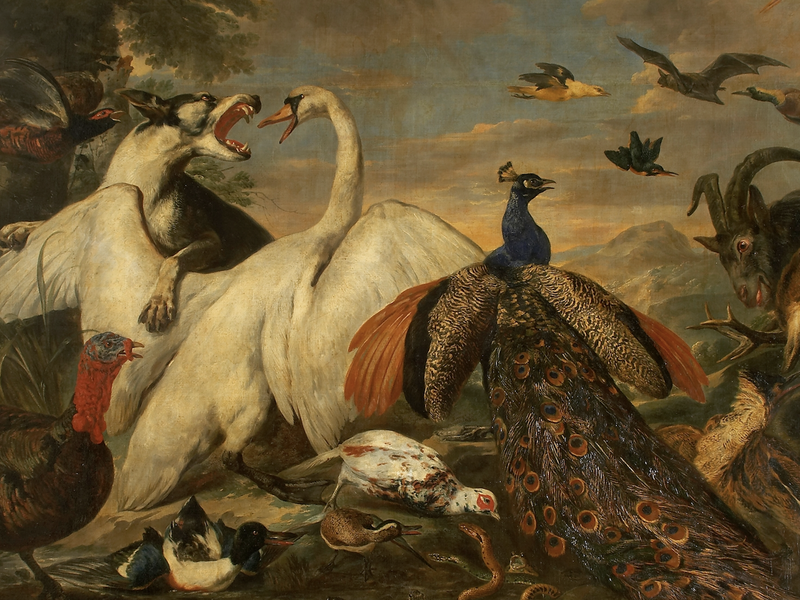
Biblical Bestiary and Covenant Creatures, Part 3: Reunion of Man and Beast in Christ

Abbreviated Introduction to the Series Scripture is absolutely dripping with animal metaphors. Animal traits, characteristics, and appearances are attributed to God, Man, Angels, Nations, Armies. Since animals are the lowest creature in the three-tiered hierarchy, they are useful to metaphorically focus on a single aspect of God (bold like a…

by Jonathan WhiteOctober 27, 2025
screenshot-2025-10-21-at-2-22-31-pm
Matthew

Authority that Heals: Unpacking Matthew 4:18 – 10:4

Many years ago, while perusing Janice Anderson’s revised doctoral dissertation, Matthew’s Narrative Web: Over, and Over, and Over again , I was impressed by her attention to literary structures of repetition within and across Matthew’s Gospel. 1 Her research, in part, nudged me closer toward my present conviction that Matthew…

by Jonathan SedlakOctober 21, 2025
screenshot-2025-10-20-at-4-47-19-pm
Biblical Theology

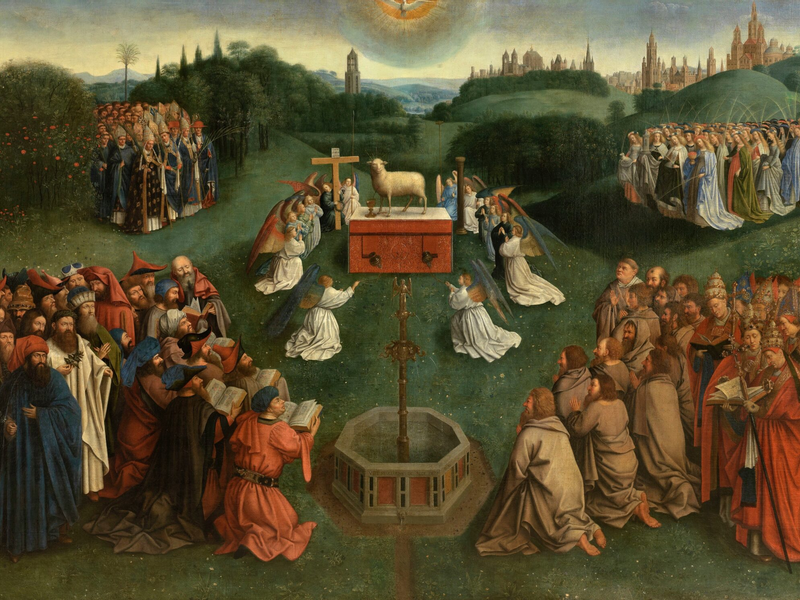
Biblical Bestiary and Covenant Creatures, Part 2: The Animalistic Dehumanization of Sin

Abbreviated Introduction to the Series Scripture is absolutely dripping with animal metaphors. Animal traits, characteristics, and appearances are attributed to God, Man, Angels, Nations, Armies. Since animals are the lowest creature in the three-tiered hierarchy, they are useful to metaphorically focus on a single aspect of God (bold like a…

by Jonathan WhiteOctober 20, 2025
screen-shot-2025-10-14-at-7-34-36-am
Song of Songs

Like a Lily Among Thorns: Hailing the Suffering Christ in Canticles

“Like a lily among the thorns, so is my love among the maidens… My beloved is mine and I am his; he pastures among the lilies.” Song 2:2, 16 In chapter two of the Song of Solomon, the Beloved compares his Love to a lily among thorns. The language of…

by Mark BriansOctober 14, 2025
eric-welch-xuch5jnrfig-unsplash
Biblical Theology

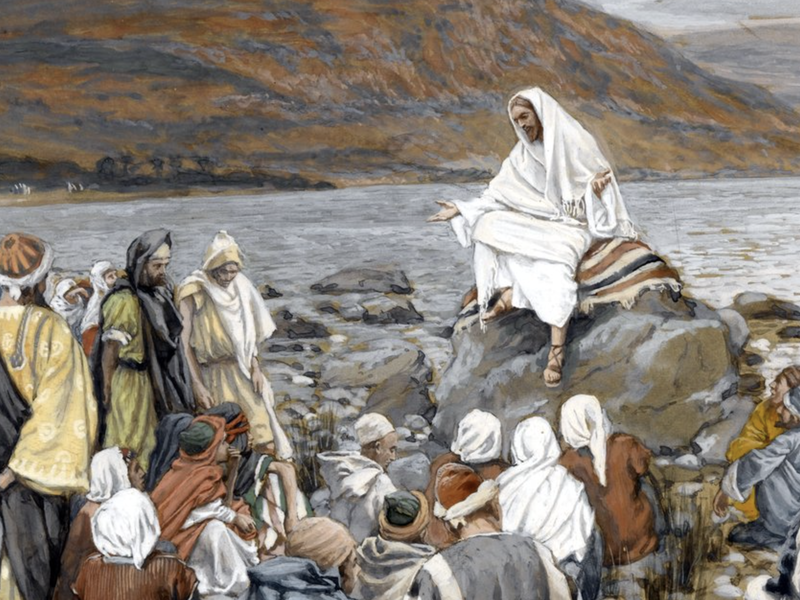
Biblical Bestiary and Covenant Creatures, Part 1: The Shared Spirit of Men and Beasts

Introduction From the very beginning, angels and animals have played mediating roles between God and Man. Just as the World was made three-tiered (Heaven, Earth, Deep), so the creatures were made (Angels, Men, Animals). Before Christ came to build the permanent bridge across the chasm between God and Man, various…

by Jonathan WhiteOctober 13, 2025
getty-images-nim1o1t51qq-unsplash
Matthew

Parables of Land and Sea in Matthew 13

Matthew 13, the third major discourse of the apostle’s gospel, is comprised almost entirely of parables. While it may seem that all the parables serve the same purpose in fulfilling the prophet Isaiah (Matthew 13:14), the parables found in verses 44–52, at the very least, function outside that purpose. This…

by David TownsendOctober 9, 2025
See all

Showing page 39 of 43

See all

Inner Word and Culture

Cavadini suggests that Augustine’s theory of the inner word is a theory of cultural production, formation, and transformation. First, Augustine’s theory opens space for the person’s transcendence of culture, a space that allows for critique and transformation. But this transcendence of culture does not mean removal from culture. The inner…

November 24, 2007

Inner word

Colin Gunton has cited Augustine’s doctrine of the “inner word” as a sign of his preference for abstract over the material/concrete. John Cavadini (Theological Studies 1997) responds: “Augustine’s distinctions, between the presignified and the signified, are evidence unobserved and unaccounted for by Gunton, who sees a distinction only between the…

November 24, 2007

Multiple selves

In his 1969 book on self-deception, Herbert Fingarette pointed out that self-deception could only work if the self was divisible, and suggested that the self is not a unit but a community of “subselves.” Fingarette traced this theme to Plato, and saw it intensified by the New Testament polarity of…

November 22, 2007
History

Early Modern Skepticism

John D. Cox points out in his recent Baylor Press book on Shakespeare that ancient skepticism was not a-religious in the Renaissance and Reformation, but often served the purposes of reform. Erasmus, for instance, deployed skeptical arguments in challenging traditional, but corrupt, practices in the Catholic church. Like More, he…

November 22, 2007

Tennis scoring

Why 15-Love? “Love” is a corruption of the French “l’oeuf,” “the egg,” as in “the big goose egg.”

November 22, 2007
History

Germanic war

Tacitus records in Germania , 7, concerning the Germans in warfare: “They therefore carry with them when going to fight, certain images and figures taken out of their holy groves. What proves the principal incentive to their valour is, that it is not at random nor by the fortuitous conflux…

November 22, 2007

Showing page 1602 of 2212

Browse by Category

In Medias Res

Your weekly digest for all things Theopolis.

Donate

Theopolis is nearly 100% donor-supported. Consider joining us on our mission.