Theopolis Logo

Writing

Explore our collection of theological essays, biblical studies, and reflections on faith and culture.

See all
705159ansdl
Leviticus

Clean, Unclean & Up

“The riddles of God are more satisfying than the solutions of man,” wrote Chesterton. Leviticus 11 stands as a lovely example of his sentiment. Designations of “clean” and “unclean” first appear in Genesis 7 with no explanation other than “clean” animals being later utilized as acceptable sacrifices to Yahweh (Gen…

by Ben LoveladyAugust 26, 2025

luigi-boccardo-ogsbrfw_dos-unsplash
Biblical Theology

Adam's Dominion from Atoms to Angels

TIME magazine announced this summer that scientists at Colossal Biosciences in Dallas, Texas had resurrected the long extinct dire wolf through gene editing of gray wolves and modern canines. The dire wolf is a relative of modern wolves, though it’s unclear exactly what their relationship with them is, whether they…

by Jackson WatersAugust 21, 2025
screen-shot-2025-08-19-at-9-37-58-am
Baptism

Sprinkling for Everyone: Practicing Biblical Baptisms 

Through my years of pastoring in a Presbyterian context, I’ve had many conversations about the propriety of paedo-baptism versus credo-baptism. From time to time, a congregant will become convinced that paedo-baptism is the biblical practice. But baptism by sprinkling? Never! “That’s not in the Bible,” they’ll say. “The Bible clearly…

by Lyndon JostAugust 19, 2025
christopher-beloch-p2fbiamibqk-unsplash

The Problem of the All-Controlling Heart

I have written a book on this and related issues, especially as addressed in Proverbs. If you want to see these thoughts further developed (which is new material based on my reflections on Proverbs), check out Solomon Says . Is asking God for a new heart always right or sometimes…

by Mark HorneAugust 13, 2025
thomas-kelley-hhl08lf7ikc-unsplash

A Plea for Biblical Scholars

In the Abolition of Man C.S. Lewis utilized a common English textbook to explain the unacknowledged and self-contradictory philosophy undergirding much of the humanities departments in his day. I am no Jack Lewis. But perhaps this essay might prod one of my intellectual betters to take on a similar task…

by Zach MccartneyAugust 5, 2025
brad-dodson-7soebrf1yog-unsplash
Christian Nationalism

Notes on Christian Nationalism: Origins and Fault Lines

This primer on Christian nationalism grew mainly out of discussions on X. The term “Christian nationalism,” as I use it here, has become something of an umbrella term for conservative/traditional Protestants who want to see Christian influence on national life and culture. Obviously, some see problems with the label –…

by Rich LuskAugust 4, 2025

Showing page 6 of 309

See all

Showing page 39 of 43

See all
History

Painting and landscape

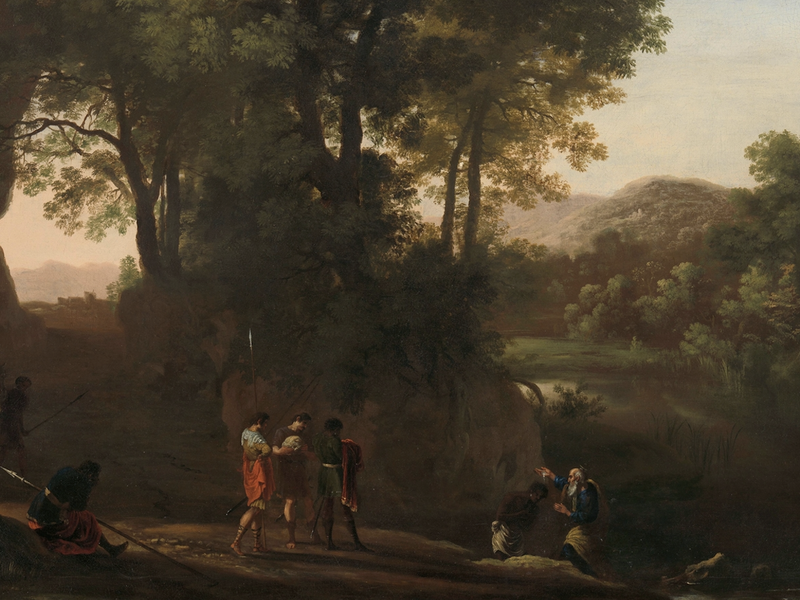
Following the Treaty of Utrecht in 1713, young English noblemen began traveling the continent in what became known as the Grand Tour. Along the way, the came across Italian landscape painters, and went home dreaming of turning England into little Italy. Maggie Lane writes, “The desire was awakened to create…

August 17, 2007
History

Enclosure and landscape

Most of England’s enclosure acts were passed between 1760 and 1815, and the acts transformed the British landscape. Before enclosure, yeoman farmers lived in villages, and trudged each day to their scattered strips of land to work. Before enclosure, according to Maggie Lane, “one-third of the land enclosed in England…

August 17, 2007
Literature

Dickens, mythologist

Chesterton admits that Dickens’s characters neither affect nor are affected by time or circumstances. This is, he says, because Dickens was constructing myths rather than novels: “Dickens was a mythologist rather than a novelist; he was the last of the mythologists, and perhaps the greatest. He did not always manage…

August 17, 2007

Proverbs 19:5-9

PROVERBS 19:5, 9 In this, the Proverb reiterates the threats of the Torah, which warns against false witness and false oaths (Leviticus 19:12; Deuteronomy 17:6-7). These two verses are almost identical. Both begin with “A false witness will not go unpunished,” and in the second line both use the phrase…

August 17, 2007
History

From ascribed to attributed celebrity

Rojek again: He claims that the story of celebrity over the past two centuries has been a shift from ascribed (hereditary) to attributed celebrity. Though some achieved international fame in earlier times, “they were always under strong pressures to conform to the established procedures and conventions set by the Court.”…

August 17, 2007
History

Cool

In their book, Cool Rules , Dick Pountain and David Robins define cool as “a permanent state of private rebellion,” one which “conceals its rebellion behind an ironic impassivity.”

August 17, 2007

Showing page 1645 of 2212

Browse by Category

In Medias Res

Your weekly digest for all things Theopolis.

Donate

Theopolis is nearly 100% donor-supported. Consider joining us on our mission.