Theopolis Logo

Writing

Explore our collection of theological essays, biblical studies, and reflections on faith and culture.

See all
306124rgsdl
Job

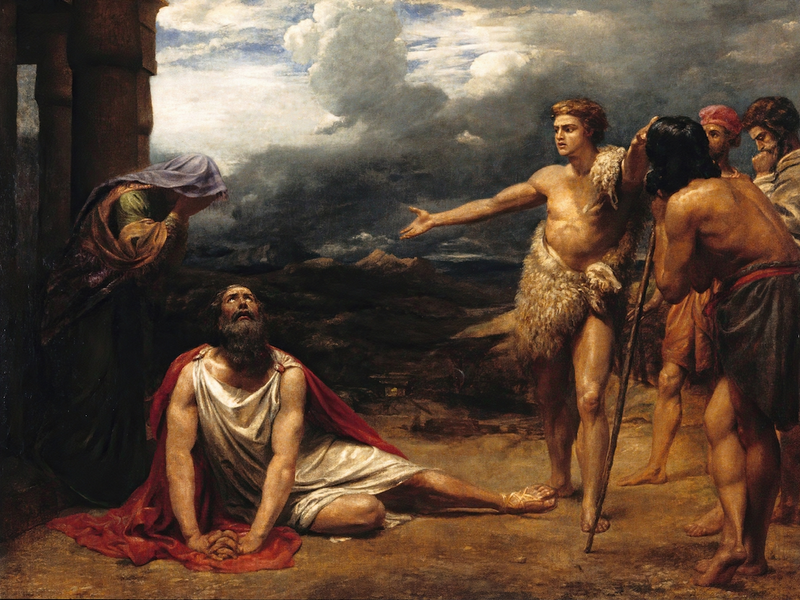
Job: The Baiting of Satan

Job appears in the Bible as a true story and it is regarded as such in other Scripture: As an example of suffering and patience, brothers, take the prophets who spoke in the name of the Lord. Behold, we consider those blessed who remained steadfast. You have heard of the…

by Mark HorneNovember 29, 2023

jed-owen-q6y8xr3soqa-unsplash
Feast

Gratitude is a Weapon

Thanksgiving is warfare. Gratitude is a weapon. Wield it well. Give thanks for the preparation. The hustle and bustle, the messy kitchen, the endless cleaning, the extra chairs, and stained tablecloths sing the song of hospitality. God desires that we prepare a place for friends and strangers, feasting and laughing,…

by Kyle LammottNovember 23, 2023
james-coleman-tcgu1vactdw-unsplash
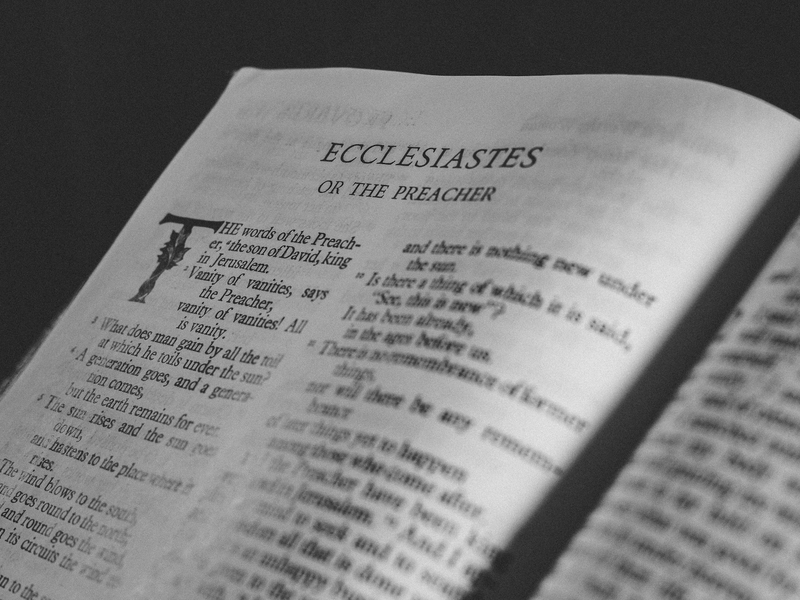
Ecclesiastes

Notes on Ecclesiastes 2

We often hear that, along with Leviticus, Ecclesiastes is the “most peculiar book,” lurking in the Bible’s back alley. 1 But it is high time that we retire this old dirge. God has concealed much gold here, therefore much glory is ours if we are careful to read Solomon’s wisdom…

by Gage CrowderNovember 22, 2023
306124rgsdl
Job

Dominion Mandate Scorecard

1 Do you know when the mountain goats give birth? Do you observe the calving of the does? 2 Can you number the months that they fulfill, and do you know the time when they give birth? Job 39 We have and we do, Lord God. Spring is calving season.…

by Jonathan WhiteNovember 15, 2023
kelly-sikkema-ggs0_g6wi-i-unsplash
Exodus

The Christian Week is a Melody

For six days work may be done, but on the seventh day you shall have a holy day, a Sabbath of complete rest to Yahweh. - Exodus 35:2 The instructions for building the tabernacle end with a Sabbath command and the narrative about building begins with a Sabbath command, before…

by Peter LeithartNovember 8, 2023
giotto_-_scrovegni_-_-31-_-_kiss_of_judas
Sin

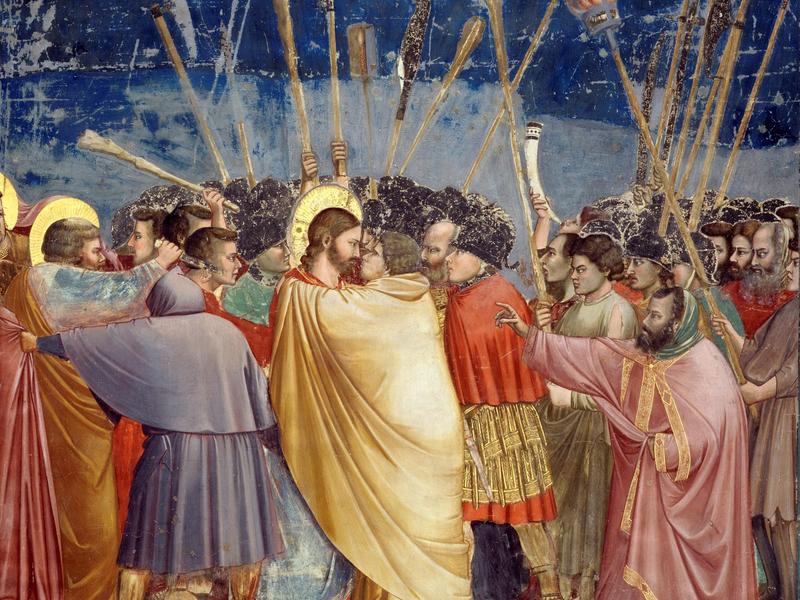
Simoniacs in the Bible

High in the list of now forgotten sins is simony. It was not always so: the medieval schoolmen believed simony to be the worst of ecclesiastical crimes and waged a centuries long campaign to purge the Church of this financial and spiritual corruption. As the schoolmen robustly defined it, “simony…

by Samuel KlumpenhouwerNovember 3, 2023

Showing page 26 of 309

See all

Showing page 39 of 43

See all
Philosophy

Mirrors, ancient and modern

In her recent book The Mirror of the Self , Shadi Bartsch argues that ancient notions of introspection and self-examination do not employ the image of the mirror in the way we do in post-Cartesian philosophy. In the words of the TLS reviewer, for the ancients “the mirror was the…

June 27, 2007

Enjoyment in God

Wilken summarizes Augustine’s social vision of perfection this way: “This peace for which the city of God yearns is a ‘perfectly ordered and harmonious fellowship in the enjoyment of God,’ a peace of ‘enjoying one another in God.’ Notice that Augustine’s language is social, not individualistic. He does not say,…

June 26, 2007

Ecclesiology of perfection

When Plato thought about politics, he thought about an ideal city (at least in the Republic ). Not Augustine. Augustine recognized that Plato had portrayed “what kind of city ought there to be.” But Augustine was after something different. He presented an actual human society, a city of God in…

June 26, 2007
Theology

Empty minds

Aquinas wrote: “If the teacher determines the question by appeal to authorities only, the student will be convinced that the thing is so, but will have acquired no knowledge or understanding, and he will go away with an empty mind.”

June 26, 2007

Cyril and the Bible

In his wonderful book, The Spirit of Early Christian Thought , Robert Louis Wilken criticizes the Formula of Chalcedon as “formulaic and abstract,” which described Jesus as “one person,” but “seemed to divide Christ into a divine nature that, for example, healed the sick and raised the dead and a…

June 26, 2007
History

No heavenly good

Alcinous, a pagan philosopher of the second century AD claimed that God is “eternal, ineffable, self-sufficient, without need . . . and perfect in every respect.” The only way to know such a God was to ascend from earthly things to higher realities: “First one contemplates the beauty found in…

June 26, 2007

Showing page 1663 of 2212

Browse by Category

In Medias Res

Your weekly digest for all things Theopolis.

Donate

Theopolis is nearly 100% donor-supported. Consider joining us on our mission.