Theopolis Logo

Writing

Explore our collection of theological essays, biblical studies, and reflections on faith and culture.

See all
woman-bw
Grace

Never Be Dismayed

I'm afraid of messing up. Not just of messing up in general, but of messing this up—the big This that is the story that is my life, the story that God is attempting to tell with me as His material. The question casts its shadow over all my decisions. Can…

by Leta SundetOctober 6, 2015
jesus-with-sword
Revelation

Greater Phinehas

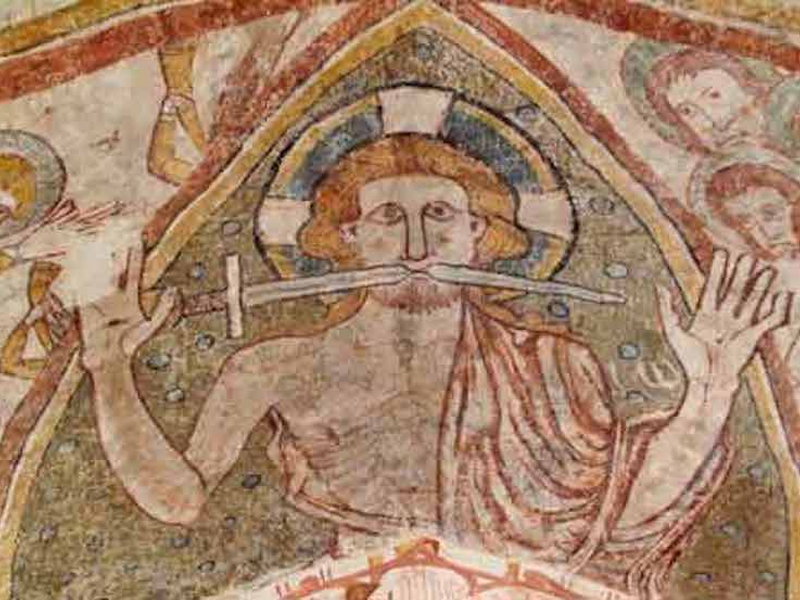
Jesus’ letter to Pergamum mentions Balaam and Balak (Revelation 2:14), and that is a signal that the whole message is running along the lines of Numbers 22-25. The death of the high priest is a sacrificial moment in the life of Israel. According to the rules of the cities of…

by Peter LeithartOctober 1, 2015
marriage
Marriage

The Glory of Self-Giving: A Wedding Homily

As you come to be joined in marriage today, I want to take a moment to focus on one important dimension of what it means to be married as Christians: that is as those who know Jesus and are being made into His likeness. This is a glorious day, full…

by Joshua AppelSeptember 29, 2015
jesus-centurion
Authority

Authority and Faith

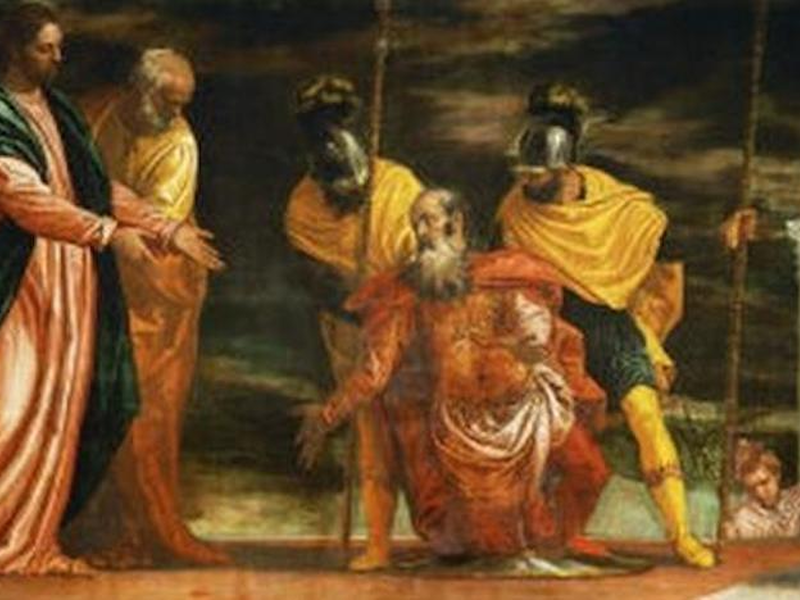
When Jesus was entered into Capernaum, there came unto him a centurion, beseeching him, saying, “Lord, my servant lieth at home sick of the palsy, grievously tormented.” Jesus saith unto him, “I will come and heal him.” The centurion answered and said, “Lord, I am not worthy that thou shouldest…

by Lindsey TollefsonSeptember 24, 2015
creation-eve-2
Genesis

The Two Shall Become One Flesh: A Wedding Homily

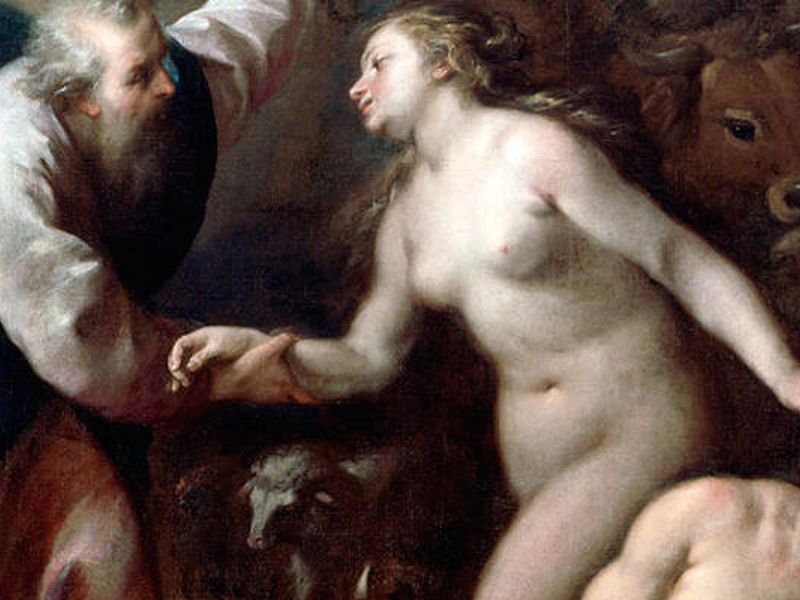
Philosophers have measured mountains, Fathom'd the depths of seas, of states, and kings, Walk'd with a staff to heaven, and traced fountains But there are two vast, spacious things, The which to measure it doth more behove: Yet few there are that sound them; Sin and Love. The Agonie –…

by Joshua AppelSeptember 22, 2015
john-baptist-pointing
Luke

Of Sandals and Heroes

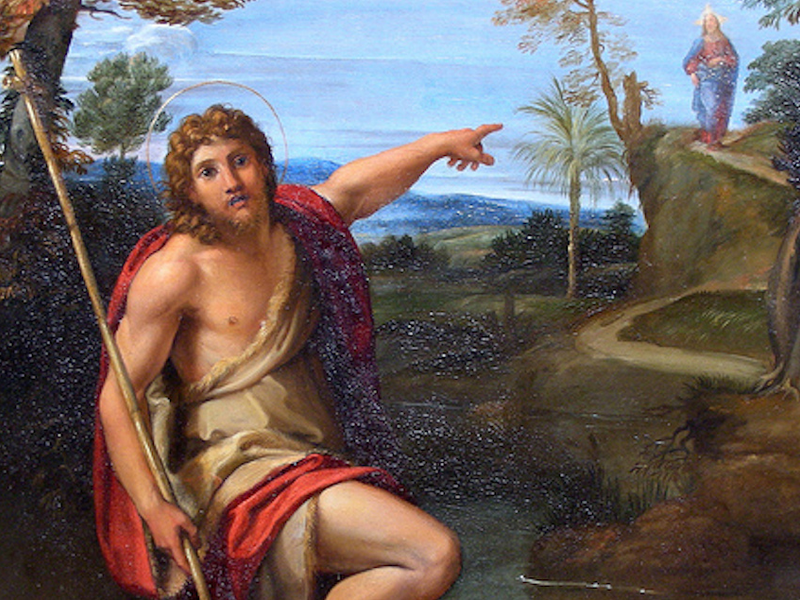
The third chapter of Luke famously opens with a list of mighty men, seven mighty men, potential heroes of the Mediterranean world. Beginning with Tiberius Caesar and Pontius Pilate, passing on to Herod the Tetrarch and his brothers, and ending with two High Priests, Luke says that the word of…

by Toby SumpterSeptember 17, 2015

Showing page 143 of 309

See all

Showing page 39 of 43

See all
History

Revolutionary timing

Are we living in a time of world-revolutionary change? Impossible to say, of course, but there might be some hints contained in the developments of the last millennium. Rosenstock-Huessy notes that Western man has been formed by periodic world-historical revolutions since the 11th century: Gregorian (11th), the Reformation (16th), Puritan…

December 29, 2006
History

One world

William Cavanaugh suggests that globalization represents a false catholicity, a unification of the human race organized around consumption and Hollywood blockbusters. That’s certainly one legitimate angle. On the other hand: The wealth of the wicked is stored up for the righteous, and Cain and Nimrod built cities long before David…

December 29, 2006
History

Fallen Soldiers

George L. Mosse’s Fallen Soldiers (Oxford 1990) is a fascinating study of the “Myth of War Experience” that developed between the French Revolution and came to a climax in World War I and its aftermath. Mosse develops a number of intertwined themes: the rise of volunteer armies after the French…

December 29, 2006

Childbirth

Rosenstock-Huessy notes the difference between animal birth and human childbirth, the main difference being that human parents remain with children after the birth: “marriage means to go from the blind act of the moment, through the whole life cycle to its most opposite point the childbirth,” and this shows “that…

December 29, 2006
History

Naming and nationalism

With nationalism at its height in the nineteenth century, the common practice of giving children biblical names was a check on nationalist idolatry, a reminder that the child was part of Christendom, not merely of France, Germany, England, etc. Rosenstock-Huessy puts the point dramatically: “When biblical names disappeared in Europe…

December 29, 2006
Science

Scientific law

In their Science & Grace (Crossway 2006), Tim Morris and Don Petcher helpfully define a law of nature as “God’s sustaining of, or man’s description of, that pattern of regularity that we observe in nature as God works out His purposes towards His own ends in HIs covenant faithfulness, through…

December 28, 2006

Showing page 1746 of 2212

Browse by Category

In Medias Res

Your weekly digest for all things Theopolis.

Donate

Theopolis is nearly 100% donor-supported. Consider joining us on our mission.