Theopolis Logo

Writing

Explore our collection of theological essays, biblical studies, and reflections on faith and culture.

See all
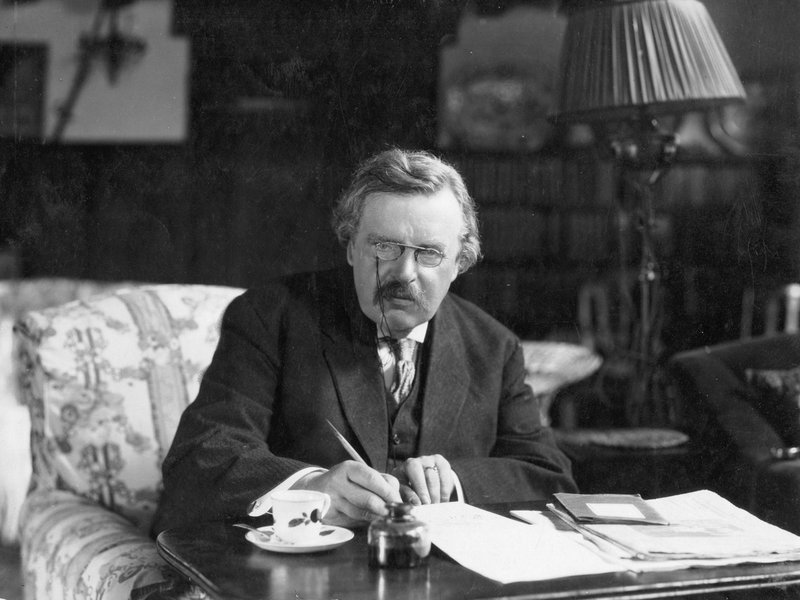
g-_k-_chesterton_at_work
Books

Interpreting "The Man Who Was Thursday"

I just finished re-reading G. K. Chesterton’s The Man Who Was Thursday . I have in the past had the temerity to say that I believe it to be the best novel of the 20th century. Be that as it may, I still maintain that it is at least one…

by Richard BledsoeJanuary 7, 2022
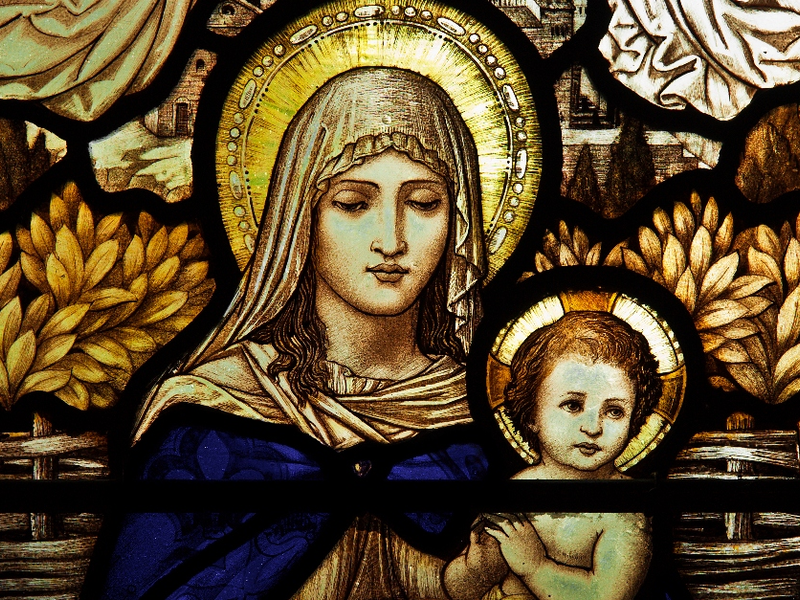
10779-istockgetty-images-plusredletterw
Hebrews

The Universality of Mary’s Wound

And Simeon blessed them and said to Mary his mother, “Behold, this child is set for the fall and rising of many in Israel, and for a sign that is spoken against and a sword will pierce through your own soul also, that thoughts out of many hearts may be…

by Garrett SoucyJanuary 4, 2022
heartierhymnals-stockimage
Music

An Argument for Heartier Hymnals

I was inspired to write this article after reading John Ahern’s The Case for Shorter Hymnals first published on Theopolis Institute’s website on November 16, 2021. Mr. Ahern and I are writing with different audiences and emphases in mind. I am thankful we both share a mutual desire to see…

by Jarrod RicheyDecember 30, 2021
tim-marshall-k2u71wv2ei4-unsplash-1
Biblical Studies

Image of God

If you’ve spent any time in the social-media galaxy of Christian cultural commentators, you have almost definitely run across the Latin phrase Imago Dei . It means image of God . Why they usually say it in Latin, I couldn’t tell you. We saw it in the wake of the…

by Daniel HoffmanDecember 28, 2021
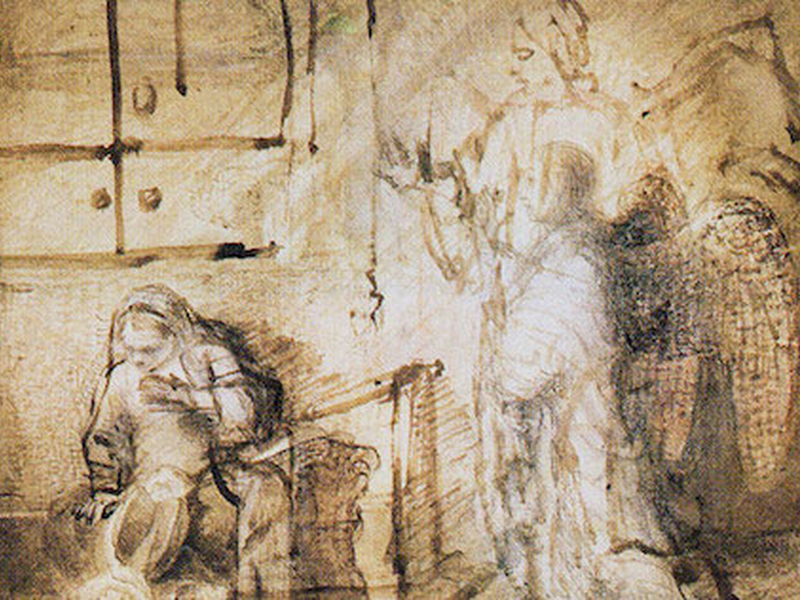
annunciation
Advent

He Comes to Make His Blessings Known: "Son of David" and "Son of Abraham" in Matthew 1:1

The Gospel of Matthew—indeed, the New Testament—begins with a list of names, and that list of names is introduced by this heading: “The book of the generations of Jesus Christ, the son of David, the son of Abraham.” Why start like this? Why “the son of David” and “the son…

by Josh JensenDecember 23, 2021
49980-nicolas_poussin_-_the_judgment_of_solomon_-_wga18330-800w-tn
Biblical Studies

On Not Needing to Cut the Baby in Half

A blade is raised. A child wails. But the brow under the crown is untroubled. Solomon knows that the raising of the sword will reveal the true parent and the identity of the son. But how did he know this? Abraham’s willingness to sacrifice Isaac certainly bears some of the…

by Jonathan WhiteDecember 21, 2021

Showing page 48 of 309

See all

Showing page 39 of 43

See all
History

Universal exile

Ancient politics had to do with governing a people set in a particular location; so did the modern politics of the nation-state. With the large-scale population movements of the last half-century, the ethnic homogeneity of the nation-state (never entirely homogenous to begin with) has dissolved further. Nationality is no longer…

November 8, 2006
History

World Citizens

Political scientist David Jacobson notes the connection between immigration and shifts in understandings of rights: “Transnational migration is steadily eroding the traditional basis of nation-state membership, namely citizenship. As rights have come to be predicated on residency, not citizen state, the distiction between ‘citizen’ and ‘alian’ has eroded. The devaluation…

November 8, 2006
Economics

Iconomics

The reviewer of Ernest Sterberg’s 1999 Economy of Icons in the American Journal of Economics and Sociology summarizes some main points from this latter-day Thorstein Veblen: “The thesis of this controversial book is that ‘enterprises make their way in the capitalist economy by transforming commodities into icons.’ An icon is…

November 8, 2006
History

Artificial selves

Discussions of the postmodern self often trace a genealogy from Descartes to Locke to Kant to Nietzsche to Heidegger to Foucault. But though philosophers no doubt have some influence on the daily experiences of normal humans, this sort of treatment doesn’t quite get to the ground level. In 1991, Paul…

November 7, 2006
History

End of history

Evidence that Fukuyama may have had it right: Walter Truett Anderson writes that “the International Commission on Peace and Food (in its 1994 report) pointed to the urgent need to create employment for hundreds of millions of poor people, and at the same time dismissed the notion that most of…

November 7, 2006
History

We’re All Communitarians now

Psychologist Brewster Smith decries the solvents of postmodern life - cynicism, shallowness, sensationalism, warfare between fundamentalisms and relativisms, uncertainty about all standards, the “fin de siecle sense of drift and doom” (even after the fin). What’s his solution? Find yourself a community that can give you values, standards, a heritage,…

November 7, 2006

Showing page 1768 of 2212

Browse by Category

In Medias Res

Your weekly digest for all things Theopolis.

Donate

Theopolis is nearly 100% donor-supported. Consider joining us on our mission.