Theopolis Logo

Writing

Explore our collection of theological essays, biblical studies, and reflections on faith and culture.

See all
kaushik-panchal-0juc5jihpks-unsplash
Biblical Horizons

Amillennial Eschatology

Brian: This is, I guess, the ultimate news flash. Maybe the last one. Just a couple of minutes ago a lot of people ascended up into the air and met the returning Jesus Christ. At least that seems to be what happened. As you can see, our cameras are on…

by James B. JordanFebruary 15, 2011

lili-popper-lu15z1m_kfm-unsplash
Biblical Horizons

Can Saul Alinsky Be Saved?

Lest we forget at least an over-the-shoulder acknowledgment to the very first radical: from all our legends, mythology, and history (and who knows where mythology leaves off and history begins–or which id which), the first radical known to man who rebelled against the establishment and did it so effectively that…

by Richard BledsoeFebruary 10, 2011
screenshot-2023-08-08-at-11-13-28-am
Esther

Why Mordecai Was Angry

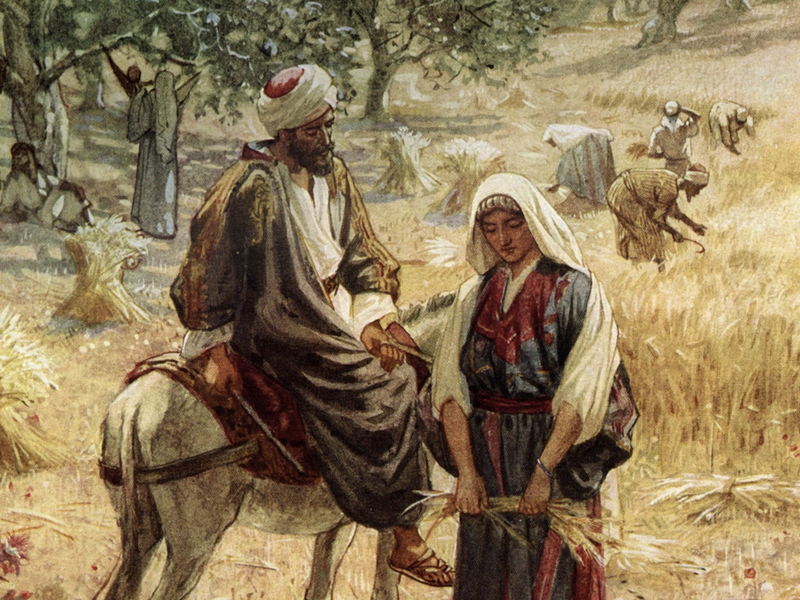
One of the mysteries in Esther is why Mordecai refused to acknowledge Haman. We are never explicitly told, and such guesses as that he was continuing Yahweh’s war against Amalek do not carry weight. If such was Mordecai’s purpose he was in sin, because it was Yahweh’s war, not his.…

by James B. JordanJanuary 26, 2011
eric-ward-7kqe_8meex8-unsplash
Anxiety

Two Views of Marriage

Below are two views of marriage that came out of an e-mail exchange. The first is a kind of of phenomenology of marriage, and of behavior within marriage. It is who we are by nature. It is bad news, very bad news. The second entry is what can be done…

by Richard BledsoeJanuary 23, 2011
screen-shot-2021-08-12-at-2-57-54-pm
Biblical Horizons

“Imputation of Active Obedience” – Some Notes

The previous essay on “Monocovenantalism” brought up this matter, so a few comments here. In this area also the mindless militants have perverted the conversation. The notion that the death of Jesus was insufficient for our justification and that we must also have an imputation of His perfect life in…

by James B. JordanJune 8, 2010
ivan-aleksic-16yxcjsoaek-unsplash
Biblical Horizons

Monocovenantalism

Repeatedly over the last several years a variety of characters have accused the so-called “Federal Vision” of being “monocovenantal.” Many other wild and unsubstantiated accusations against the “Federal Vision” have been made, of course. Recently I learned that two of the men on the Orthodox Presbyterian Church’s study committee on…

by James B. JordanJune 5, 2010

Showing page 206 of 309

See all

Showing page 39 of 43

See all
Literature

The Politics of Playing

Plays might be promoted as a kind of opiate of the masses: Mass entertainment that keeps them from more violent entertainments like rioting and pillaging. This could be problematic, if the entertainments were too heady for most people to follow. Thomas Heywood (1612) suggested that playwrights should “ayme . .…

September 28, 2006
Literature

Shakespeare regulated

How regulated was Shakespeare’s own theater? And for what reasons? Patterson highlights various reasons for closing or permitting theaters: audience composition, including the fear that a large collection of workers might be distruptive; public health; economic concerns; religious and moral concerns, especially Sabbatarian; and “a shifting and elusive imperative to…

September 28, 2006
Literature

American Shakespeare

Shakespeare’s fortunes in the US were, understandably, different from in England. Initially, Shakespeare was America’s most popular playwright, appealing to a wide sector of the American populace. Patterson notes that “by the end of the nineteenth century ‘Shakespeare’ had become a cultural icon, the property only of the ‘legitimate theater,’…

September 28, 2006
Literature

Popular Shakespeare

Annabel Patterson notes ( Shakespeare and the Popular Voice ) that contemporary critics, whatever their own political outlook, assume that Shakespeare was an advocate of Elizabethan hierarchy. This view, however, is a product of the 19th century. Dryden, Johnson, and others criticize Shakespeare for violating the conventions of his genre,…

September 28, 2006
Literature

Courtly Shakespeare, IV

By the 18th century, acting styles also invested Shakespeare with “courtly” virtues of control, dignity, stateliness. Dobson writes, “Shakespearian acting . . . in the decades following Betterton’s death in 1710, seems to have settled into a grandiloquent vein of static declamation, best exemplified by the stout James Quin (1693-1766)…

September 28, 2006
Literature

Courtly Shakespeare, III

Dobson again: “after Charles II’s death in 1685 England would never again have another monarch with such an informed interest in the drama (or, mercifully, such a lascivious one), and deprived of royal patronage and protection the playhouses came under renewed attack from the moralists (led by the redoubtable clergyman…

September 28, 2006

Showing page 1785 of 2212

Browse by Category

In Medias Res

Your weekly digest for all things Theopolis.

Donate

Theopolis is nearly 100% donor-supported. Consider joining us on our mission.