Theopolis Logo

Writing

Explore our collection of theological essays, biblical studies, and reflections on faith and culture.

See all
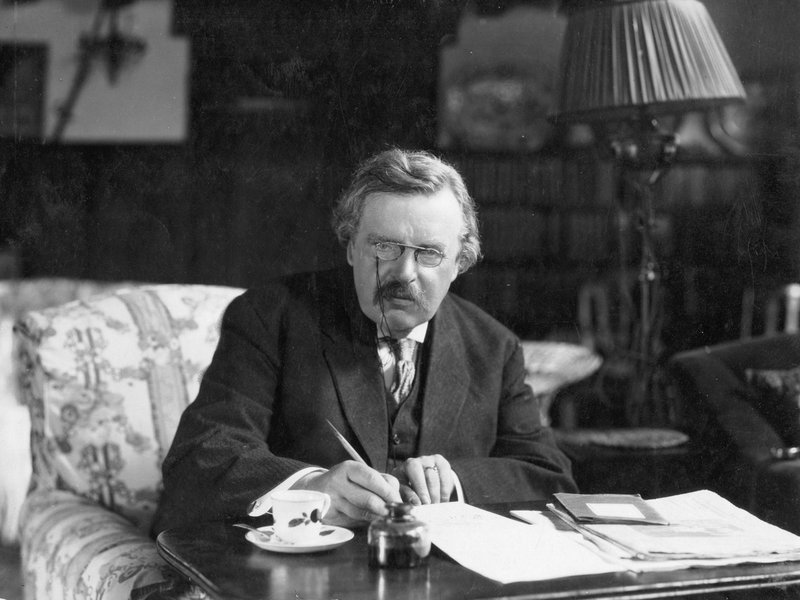
g-_k-_chesterton_at_work
Books

Interpreting "The Man Who Was Thursday"

I just finished re-reading G. K. Chesterton’s The Man Who Was Thursday . I have in the past had the temerity to say that I believe it to be the best novel of the 20th century. Be that as it may, I still maintain that it is at least one…

by Richard BledsoeJanuary 7, 2022
10779-istockgetty-images-plusredletterw
Hebrews

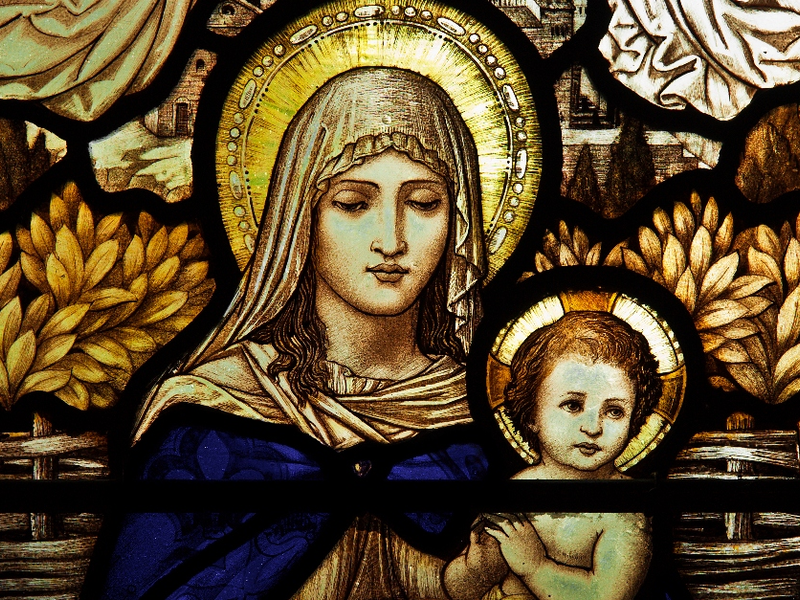
The Universality of Mary’s Wound

And Simeon blessed them and said to Mary his mother, “Behold, this child is set for the fall and rising of many in Israel, and for a sign that is spoken against and a sword will pierce through your own soul also, that thoughts out of many hearts may be…

by Garrett SoucyJanuary 4, 2022
heartierhymnals-stockimage
Music

An Argument for Heartier Hymnals

I was inspired to write this article after reading John Ahern’s The Case for Shorter Hymnals first published on Theopolis Institute’s website on November 16, 2021. Mr. Ahern and I are writing with different audiences and emphases in mind. I am thankful we both share a mutual desire to see…

by Jarrod RicheyDecember 30, 2021
tim-marshall-k2u71wv2ei4-unsplash-1
Biblical Studies

Image of God

If you’ve spent any time in the social-media galaxy of Christian cultural commentators, you have almost definitely run across the Latin phrase Imago Dei . It means image of God . Why they usually say it in Latin, I couldn’t tell you. We saw it in the wake of the…

by Daniel HoffmanDecember 28, 2021
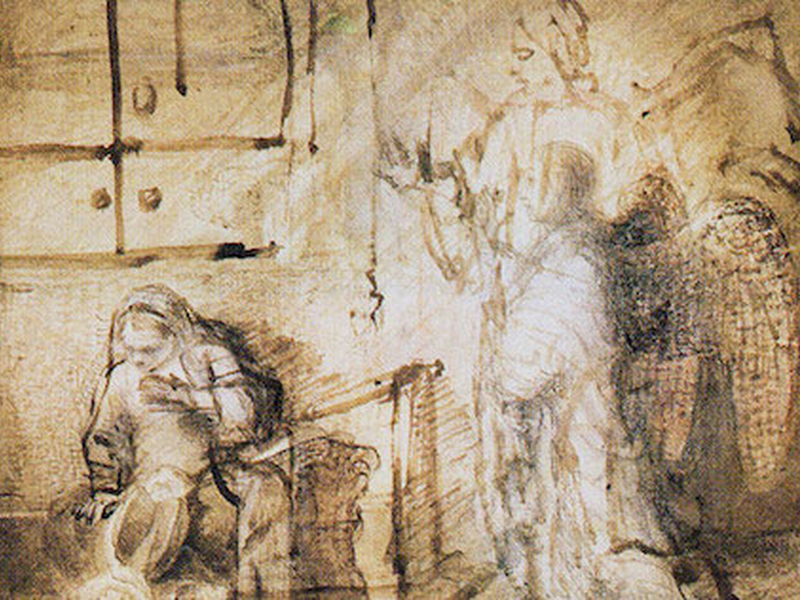
annunciation
Advent

He Comes to Make His Blessings Known: "Son of David" and "Son of Abraham" in Matthew 1:1

The Gospel of Matthew—indeed, the New Testament—begins with a list of names, and that list of names is introduced by this heading: “The book of the generations of Jesus Christ, the son of David, the son of Abraham.” Why start like this? Why “the son of David” and “the son…

by Josh JensenDecember 23, 2021
49980-nicolas_poussin_-_the_judgment_of_solomon_-_wga18330-800w-tn
Biblical Studies

On Not Needing to Cut the Baby in Half

A blade is raised. A child wails. But the brow under the crown is untroubled. Solomon knows that the raising of the sword will reveal the true parent and the identity of the son. But how did he know this? Abraham’s willingness to sacrifice Isaac certainly bears some of the…

by Jonathan WhiteDecember 21, 2021

Showing page 48 of 309

See all

Showing page 39 of 43

See all
Economics

Rational Actors

Featherstone claims that economics has generally focused on the production rather than the consumption side of things, perhaps because of “the assumption that consumption was unproblematic because it was based upon the concept of rational individuals buying goods to maximize their satisfaction.” Only in the late 19th century was attention…

September 13, 2006
History

Elites and the Market

Cultural elites have, Featherstone suggests, an inherently ambivalent relationship with the market. His argument, if I understand it, goes something like this: Cultural elites want to preserve a monopolization of cultural products. Hence, for instance, peer review of scholarly work; work that hasn’t passed peer review can be dismissed as…

September 13, 2006
History

McDonald’s and Postmodernity

McDonald’s provides a helpful glimpse at the complexities surrounding postmodernity. On the one hand, the global reach of McDonald’s seems a perfect illustration of one part of the postmodern situation - the global diffusion of American culture and tastes, the plasticity and airiness of postmodern culture, the breaching of national…

September 13, 2006
History

Postmodernism and Globalization

Though often conceived as a crisis within Western civilization, postmodernism, Featherstone argues, is partly impelled by globalization. Globalization, he begins, usually conveys two images - the spread of a single, increasingly uniform culture throughout the world, and the “compression” or layering and juxtaposition of various cultures within a particular location…

September 13, 2006
History

Consumer Culture and Fragmentation

Culture, Mike Featherstone suggests in Undoing Culture , becomes problematic in consumer societies. How? As developed in cultural anthropology, culture is “somehow homologous to the distinctions, differences, and divisions between social groups who unconsciously use culture as relatively fixed markers in status games.” But in consumer societies, there is little…

September 12, 2006

Showing page 1795 of 2212

Browse by Category

In Medias Res

Your weekly digest for all things Theopolis.

Donate

Theopolis is nearly 100% donor-supported. Consider joining us on our mission.