Theopolis Logo

Writing

Explore our collection of theological essays, biblical studies, and reflections on faith and culture.

See all
isaiah-commission
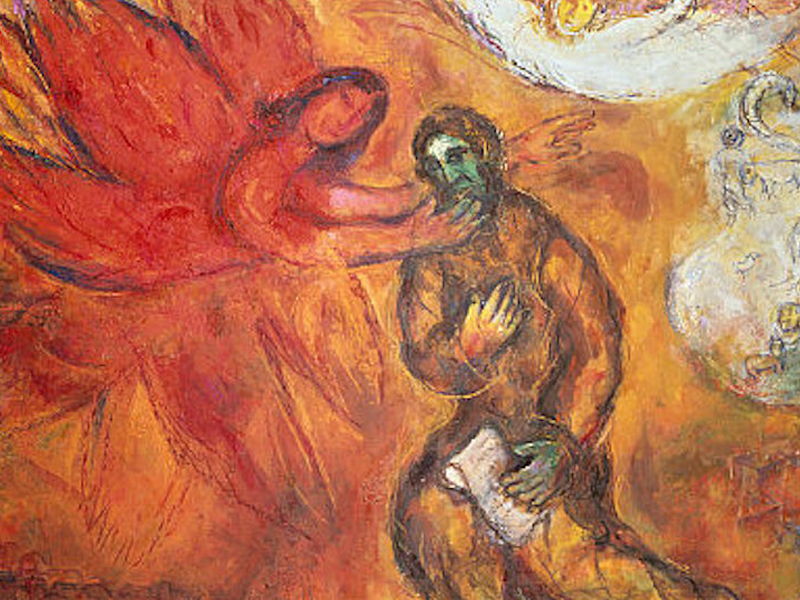
Isaiah

To An Unclean People

The book of Isaiah has a very brief introduction, one verse, and then plunges into a searing indictment of the people of Judah and Jerusalem. They are sons who do not honor their father, worse than donkeys and oxen who at least know their master. They are a bruised and…

by Peter LeithartSeptember 1, 2015

sixteen-miles-out-al48tflf4e8-unsplash
Biblical Studies

Apologia on Reading the Bible, (Part 3)

This is the third of a three-part essay. The Literary Reader As a conclusion to this essay, I want to make some observations that grow out of C. S. Lewis’s remarkable Experiment in Criticism , mentioned in an earlier installment. What Lewis is interested in doing is coming up with…

by James B. JordanAugust 27, 2015
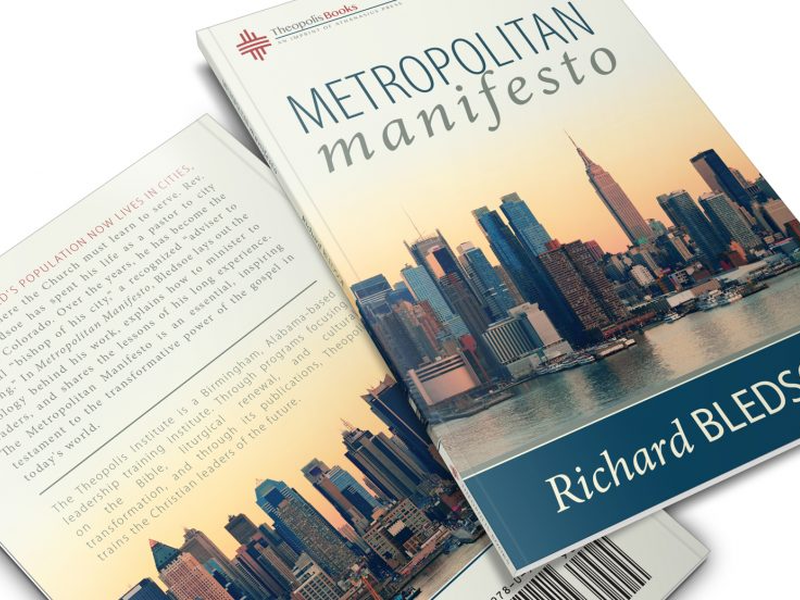
metropolitanmanifesto-3dfrontback-promo-3
Theopolis News

Metropolitan Manifesto: Available Now!

Metropolitan Manifesto, the new work from Theopolis fellow Richard Bledsoe, and first "Theopolis Books" release, is out today! Head over to the Athanasius Press website to get a copy. Half the world's population now lives in cities, and that is where the Church must learn to serve. Rev. Richard Bledsoe…

by Brian MoatsAugust 25, 2015
medievalilluminatedmanuscript
Biblical Studies

Apologia on Reading the Bible, (Part 2)

This is the second portion of a three-part essay. Learning to Read Learning to read the Bible is easier said than done, of course. There are several reasons for this, and they all have to do with the art of reading. Reading is an art and not a science, and…

by James B. JordanAugust 25, 2015
img_1069
Theopolis News

Mission to the City

“It instilled a real and abiding change in the way I understand my life as a disciple of Jesus Christ,” said Clint Hail, a Community Development Coordinator out of Dallas who attended Theopolis’ course on Mission to the City . “The course renovated the way I understand the challenges facing,…

by Brian MoatsAugust 21, 2015
hebrew-manuscript
Hermeneutics

Apologia on Reading the Bible, (Part 1)

What does it mean to read the Bible as inspired literature? The method is not new nor is it uncommon in Dutch Reformed circles. Exegesis must be Christocentric, plenary (all the text serves a theological purpose), respect the context in God’s redemptive plan, and plumb the full literary depth of…

by James B. JordanAugust 20, 2015

Showing page 145 of 309

See all

Showing page 39 of 43

See all
History

Hermeticism and gnosticism

In his book on the hermeticist Hegel, Magee gives this helpful sketch of the differences between gnosticism and hermeticism: “Gnosticism and Hermeticism both believe that a divine ‘spark’ is implanted in man, and that man can come to know God. However, Gnosticism involves an absolutely negative account of creation. It…

August 16, 2006
Philosophy

Hegel and Hermes

In a 2001 book (Cornell), Glenn Magee argues that Hegel must be understood as a hermetic thinker. Hegel claims to have moved beyond the ancient notion of philosophy as “pursuit of wisdom” to an absolute knowledge that is simply identical with wisdom. As Magee says, “Hegel’s claim to have attained…

August 16, 2006

MacIntyre on Heroic virtue

In After Virtue , Alasdair MacIntyre provides a neat discussion of the virtue and selfhood in Greek antiquity. The unity of ARETE, virtue, “resides . . . in the concept of that which enables a man to discharge his role,” and refers to “excellence of any kind,” whether in a…

August 16, 2006
Philosophy

Logos: Harmony and Recipe

One Marc Cohen of the University of Washington, offers this account of the “logos” of Heraclitus in an online lecture outline: First, “There is an orderly, law-governed process of change in the universe. (Compare fragment 80 with Anaximander, who equates strife with injustice; for Heraclitus, strife is justice, and is…

August 16, 2006

Life of Heraclitus

Some selections from Diogenes Laertius’ “Life of Heraclitus, from his “Lives and Opinions of Eminent Philosophers: “He was above all men of a lofty and arrogant spirit, as is plain from his writings, in which he says, ‘Abundant learning does not form the mind; for if it did, it would…

August 16, 2006
History

Asocial sociability

Seigel devotes a fascinating section of his book ( Idea of the Self ) to a summary of Mandeville’s Fable of the Bees , in which Mandeville describes what Kant characterized as the “asocial sociability” of human nature. Social in the sense that even in a natural state, prior to…

August 15, 2006

Showing page 1809 of 2212

Browse by Category

In Medias Res

Your weekly digest for all things Theopolis.

Donate

Theopolis is nearly 100% donor-supported. Consider joining us on our mission.