Theopolis Logo

Writing

Explore our collection of theological essays, biblical studies, and reflections on faith and culture.

See all
temp_bg
Biblical Studies

Biblical Allusion and the Meaning of Othello

Understanding Shakespeare’s Biblical references is vital for the interpretation of many, if not all, of Shakespeare’s plays. For Othello , it is especially important, not only because the interpretation of the play is contested among various approaches — feminist, homosexual, post-colonial, Marxist, Freudian, new historical, and others — but also…

by Ralph Allan SmithJune 16, 2017

e99a9492-2
Ecclesiology

Attaining Unity: A Reply to Mike Allen

Mike Allen of Reformed Theological Seminary, Orlando, scores some points in his review of The End of Protestantism . He lodges the fair complaint that my rhetoric sometimes outruns my evidence. He argues that more stress on the present reality of the church’s unity deepens the tragedy of division; divisions…

by Peter LeithartJune 13, 2017
trinity-1-2
Eschatology

Comic Trinity

I begin with two observations. First, on any millennial view, the Christian account of history is progressive, moving from the garden to the city. It is eschatological not only in that there is an end, but that the end is a glorified beginning, not merely a return to origins. To…

by Peter LeithartJune 8, 2017
e99a2225
Ecclesiology

Political Church

The church is a new form of polity that erupts into the world as much as the Son of God comes into the world. It’s a real-world political alternative to the polities of the ancient world. It resolves many of the political dilemmas of the ancient world, though not simply…

by Peter LeithartJune 6, 2017
img_1456
Baptism

Baptism Impasse: Baptists vs. Presbyterians, (Part 2)

In my last post , I explained how Baptists really have a “one-ordinance-one sacrament” ecclesiology. I said this: “what Baptists really believe, in modern parlance, is that there is one ordinance (baptism which is a sign or symbol only) and one sacrament (the Lord’s Supper in which feeding upon Jesus…

by Mani MarprelateMay 30, 2017
medieval-knights
Political Theology

Obedience of Rulers

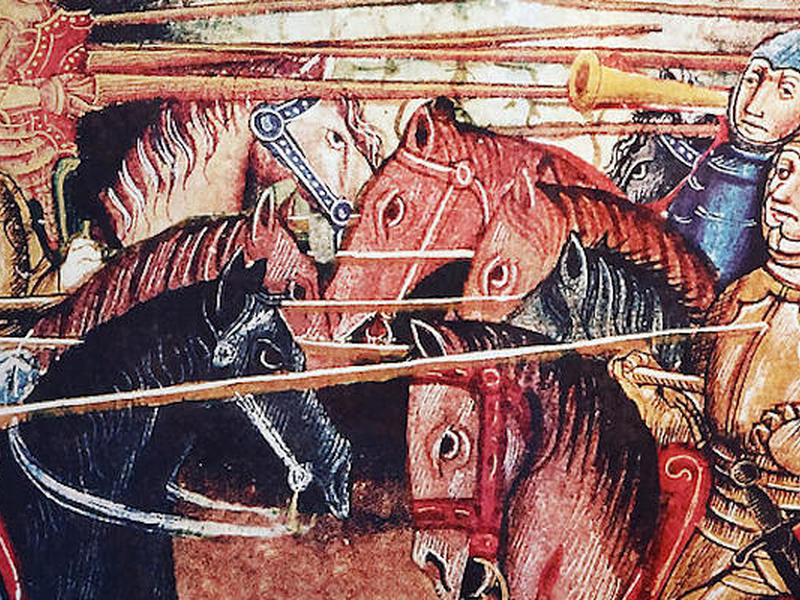
One of the most extensive and penetrating responses to the Yoder-Hauerwas attack on Constantiniansm is found in Oliver O’Donovan’s Desire of Nations , in a chapter entitled “The Obedience of Rulers.” O’Donovan defines the word “Christendom” as “a historical idea,” specifically “the idea of a professedly Christian secular political order,…

by Peter LeithartMay 30, 2017

Showing page 111 of 309

See all

Showing page 39 of 43

See all

Baptismal meditation

Jesus said, Go therefore and disciple all nations, baptizing them in the Name of the Father, and of the Son, and of the Holy Spirit, and teaching them to observe all that I’ve commanded. One of the great sins of Manasseh was an assault on the “Name” of Yahweh. Back…

May 21, 2006

Exhortation, Sixth Sunday of Easter

Easter is about faith and hope. Easter is also about love. The Old Covenant was a covenant of separations. Yahweh separated Himself from His people, enclosed behind a series of veils in inapproachable splendor. Yahweh called Abraham and separated him from the other nations of the earth, and gave Israel…

May 21, 2006

Innocent blood

Manasseh filled Jerusalem with the blood of the innocent; in context, the blood appears to be the blood of prophets (2 Ki 21:10-16). This is one of the continuing charges against Manasseh after Josiah’s reign is over (24:3-4). The blood of the prophets (or, at least, of the innocent) calls…

May 18, 2006

Forgetful

“Manasseh” is derived from a causative form of the verb “forget” - hence, cause to forget. Manasseh causes Judah to forget by liturgical change - rebuilding high places, erecting altars and Asherahs, and so on. Memory is nourished by liturgy; forgetfulness by liturgical perversion.

May 18, 2006

Charnock on Supernatural Salvation

Stephen Charnock argues that salvation must be supernatural because nature is insufficient for the task: “A change from acts of sin to moral duties may be done by a natural strength and the power of natural conscience: for the very same motives which led to sin, as education, interest, profit,…

May 18, 2006

Supernatural

Roger Haight offers this summary of the notion of “supernatural”: “God is not supernatural in himself; he is simply the infinite and transcendent being; he is God. But viewed in relation to the human he is supernatural; that is to say, spiritual union with God transcends human nature and all…

May 18, 2006

Showing page 1840 of 2212

Browse by Category

In Medias Res

Your weekly digest for all things Theopolis.

Donate

Theopolis is nearly 100% donor-supported. Consider joining us on our mission.