Theopolis Logo

Writing

Explore our collection of theological essays, biblical studies, and reflections on faith and culture.

See all
trnava-university-beeyeib-am8-unsplash
Biblical Chronology

Meredith G. Kline Strikes Back, Part 2

In our first essay we looked at Kline’s flawed exegesis of Genesis 2:5 as it relates to Day 3 of creation. Now we turn to Kline’s new argument against a chronological reading of Genesis 1, as found, again, in "Space and Time in the Genesis Cosmogony," Perspectives on Science and…

by James B. JordanMarch 29, 1997
30211-bathsheba-800w-tn
Hermeneutics

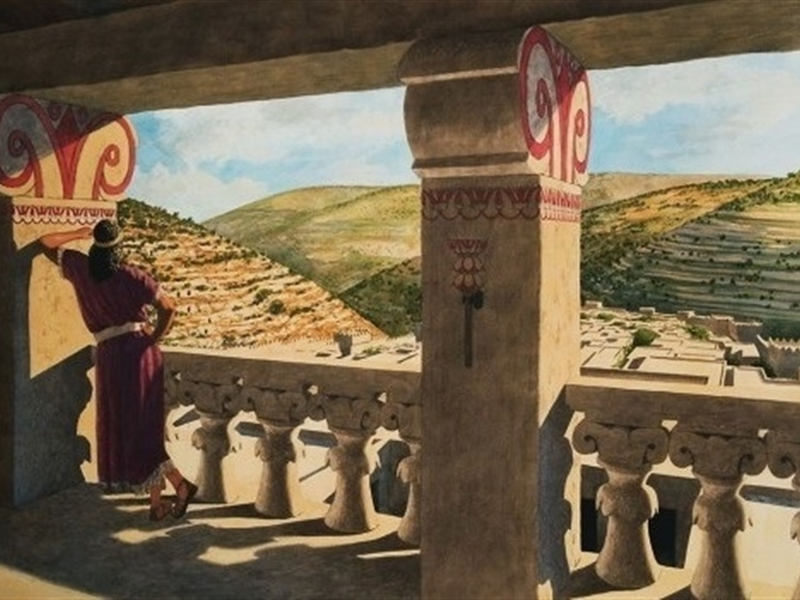
Bathsheba: The Real Story

One of the advantages of paying very close attention to the details in the Bible, especially chronological and genealogical details, is that they can shed light on situations that don’t seem to make much sense apart from them. One such situation is that of Bathsheba. It appears that Bathsheba willingly…

by James B. JordanMarch 28, 1997
jonathan-cooper-ygxq7hfdjzq-unsplash
Church Calendar

Is the Church Year Biblical? | A Parking Lot Parable

Once upon a time, Jeff Meyers and Tony Rollins–old friends who had not seen each other for a few years–met in the parking lot of a neighborhood church. They were dropping off their pre-school children at the church for Mother’s Day Out. They were such conscientious and helpful fathers. As…

by Jeff MeyersMarch 20, 1997
annie-spratt-upxf6to3fea-unsplash
Daniel

The Allegory of Susanna

Years ago, when I was at the briefly-existing Geneva Divinity School, I taught a course in the Apocrypha. One thing that struck me at that time is that two of the stories are almost certainly religious allegories (as well as moral tales): Judith and Susanna. Since "Susanna" means "Lily," this…

by James B. JordanFebruary 28, 1997
serafima-lazarenko-_ivuwprfczi-unsplash
Biblical Horizons

A Blossom of Yahweh’s Field

Peter’s essay inspires me to write up some similar thoughts about the flower of the field. Rightly does Peter associate the almond with Yahweh’s garden, because the Garden of Eden is symbolically positioned as parallel to the Holy Place of the Tabernacle and Temple. To wit: Since Aaron’s rod blossomed…

by James B. JordanFebruary 28, 1997
trnava-university-beeyeib-am8-unsplash
Biblical Chronology

Meredith G. Kline Strikes Back, Part 1

We have had occasion to discuss the views of Meredith G. Kline previously in these newsletters, and now it is time to do so again. Kline teaches at Gordon-Conwell Theological Seminary and also at the Westminster Theological Seminaries (Philadelphia and San Diego). He is the author of some interesting insights…

by James B. JordanFebruary 28, 1997

Showing page 259 of 309

See all

Showing page 39 of 43

See all

Architectural Justice

J ames Jordan has often called attention to Ezekiel 43:10-11, where the Lord explains the purpose of the elaborate temple vision that He has shown the prophet. When Israel hears the design and plans of the temple, its entrances and exits, it straight lines and its corners, they will “be…

March 17, 2017

Protestantism and Nature

L awrence Feingold doesn't much like de Lubac's work on the natural desire to see God . He doesn't think the neo-Thomist distinction of natural and supernatural is responsible for the rise of atheism and naturalism. On the contrary, the distinction is necessary to combat naturalism. Feingold writes, “the Thomistic…

March 17, 2017

Odysseus and Dialectics of Environment

N ear the beginning of their Dialectic of Enlightenment , Max Horkheimer and Theodore Adorno “allegorize” on an episode in the Odyssey , in which Odysseus takes his ship past the Sirens who entice mariners toward the dangerous shoals of their island with their sweet singing. Odysseus wants to hear…

March 17, 2017

Talking Trees

T rees are slow, like Ents. The electrical impulses that pass through trees travel at a rate of one-third of an inch per second. Why do trees need electricity? According to Peter Wollheben ( The Hidden Life of Trees ), they need electricity to talk to each other. He's not…

March 17, 2017

Indirect Subject

S lavoj Zizek ( Mythology, Madness, and Laughter ) explains Hegel's sublation of Kantian transcendentalism by noting that Hegel accepts Kant's root insight, the “the subjective constitution of reality, the split that separates the subject from the in-itself.” Yet Hegel doesn't stop with this acceptance: “this very split is transposed…

March 17, 2017

God the Temple

T he Bible is a narrative of architecture and city planning. The Creator is a divine architect and builder. On earth, He is first a landscape architect, designing and planning a garden, then a designer of tents and temples, finally an architect of people who builds a church of living…

March 17, 2017

Showing page 195 of 2212

Browse by Category

In Medias Res

Your weekly digest for all things Theopolis.

Donate

Theopolis is nearly 100% donor-supported. Consider joining us on our mission.