Theopolis Logo

Writing

Explore our collection of theological essays, biblical studies, and reflections on faith and culture.

See all
last-supper
Luke

Table Talk

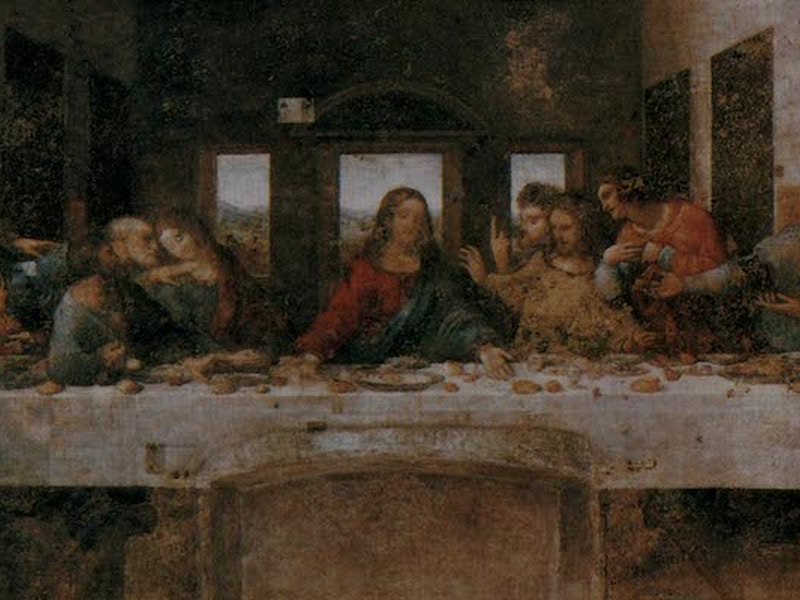
Along His journey to Jerusalem, Jesus stops frequently to have meals, three times with Pharisees (7:37-50; 11:37-54; 14:1-35). Meals were central to Jesus’ ministry. He comes “eating and drinking” (Luke 7:34). While His meals are not just for refreshment, they are opportunities for teaching the protocols of the kingdom. Meals…

by Peter LeithartApril 19, 2016

music-violin
Biblical Theology

A Musical Case for Typological Realism, (Part 4)

Time as a realm of participation can be difficult for us imaginatively to grasp. While music is a profoundly temporal art, exploring the medium of time like no other, most of our temporal experience seems decidedly unmusical in character, disjointed and unorchestrated. The form in which we naturally discover time…

by Alastair RobertsApril 14, 2016
John

Jesus' Burial Clothes

John devotes much attention to Jesus’ burial clothes. He tells us that Nicodemus brought about a hundred pounds of myrrh and aloes to spice Jesus body, and that He was bound in linen wrappings. We find out that His body and His head were wrapped separately. (John 19:39-40; 20:6-7). When…

by James B. JordanApril 12, 2016
clock
Biblical Theology

A Musical Case for Typological Realism, (Part 3)

Thinking about time in terms of music also helps us to appreciate its unity and inner relations. Henri Bergson observes our cultural habit of dividing time into discrete moments, and conceiving of these as if akin to objects in a spatial succession. [1] Against such a notion, Bergson argues for…

by Alastair RobertsApril 7, 2016
screen-shot-2016-03-31-at-9-32-11-am
Biblical Theology

A Musical Case for Typological Realism, (Part 2)

As we attend to these and other aspects of music’s temporality, Begbie suggests, we will find means by which to resist some of our habitual modern ways of conceptualizing time, most especially our tendency to conceive of time as if it were a homogeneous set of technologically quantifiable units laid…

by Alastair RobertsMarch 31, 2016
biblioteca-vasconcelos-crop
Biblical Theology

Systematic Typology (Part Three)

The Hidden Dimension In many fields of scientific study, the apparent complications and contradictions are dispelled once the internal logic is perceived. Biblical hermeneutics is no different, since the author of Creation is the Author of the Word. The Bible’s literary labyrinth radiates organically from an algorithm so simple it…

by Mike BullMarch 29, 2016

Showing page 133 of 309

See all

Showing page 39 of 43

See all
Literature

Upside-down Popes

John Scott offers this rich interpretation of Inferno 19, where Dante comes across a collection of popes and other churchmen stuck upside-down in the rocks of Hell, their feet “licked” with fire: “Instead of turning their desires heavenward, these corrupt churchmen had sold the things of the Holy Spirit (just…

April 1, 2005
Literature

Why Virgil?

Why is it Virgil who leads Dante through Hell and as far as the top of Mount Purgatory? Well, he’s a poet for one thing, the greatest poet of all by Dante’s reckoning. Plus, for the medievals, he had taken on the role of sage and magus, and was widely…

March 31, 2005

Naboth’s Refusal

Why did Naboth refuse to sell his vineyard to Ahab? Ray Dillard pointed to Leviticus 25 for the answer: “Because the land represented the fruit of the nation’s redemption, God commanded that it remain in the hands of the families to whom it was originally allotted. The land had been…

March 30, 2005

Naboth’s Refusal

Why did Naboth refuse to sell his vineyard to Ahab? Ray Dillard pointed to Leviticus 25 for the answer: “Because the land represented the fruit of the nation’s redemption, God commanded that it remain in the hands of the families to whom it was originally allotted. The land had been…

March 30, 2005

Sermon Notes, April 3

INTRODUCTION Ahab?s sin begins in idolatry. But his sin is not a ?private?Esin, nor is it confined to a ?religious?Earea of life. In 1 Kings, as in all the prophets, idolatry always leads to social oppression and injustice. The sin of Ahab foreshadows the later oppressions of Manasseh and other…

March 29, 2005

The Body

Paul’s description of the church as the body of Christ parallels in both its basic conception and in its details the social theory of ancient moralists. Seneca, for instance, wrote, “What if the hands should desire to harm the feet, or the eyes the hands? As all the members of…

March 29, 2005

Showing page 1996 of 2212

Browse by Category

In Medias Res

Your weekly digest for all things Theopolis.

Donate

Theopolis is nearly 100% donor-supported. Consider joining us on our mission.