Theopolis Logo

Writing

Explore our collection of theological essays, biblical studies, and reflections on faith and culture.

See all
evangelists
Matthew

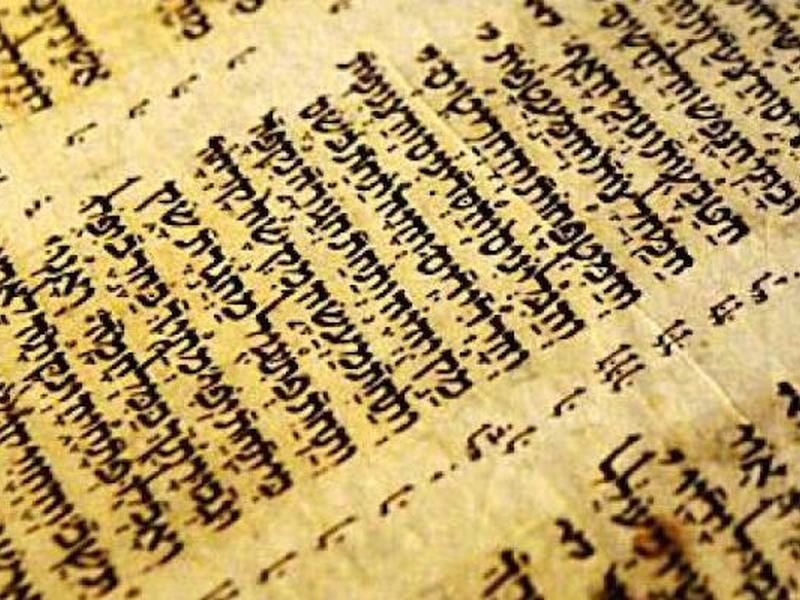
Dating Matthew, (Part 1)

When might the Gospel according to Matthew have been written? Of course, any answer can only be speculation, but that does not mean we are reduced to groundless opinion. In this series of articles I point the way to an approach different from the general consensus among scholars today which…

by Ralph Allan SmithNovember 22, 2016
hebrew-manuscript-3
Hermeneutics

Synopticity, (Part 2)

In my first essay on “synopticity” I offered a rather rough definition of the phenomenon and important, though not exhaustive examples. In this essay, I want to introduce broader aspects of the phenomenon of “synopticity.” The first example that I have in mind is conventional stories, stories of different historical…

by Ralph Allan SmithNovember 17, 2016
screen-shot-2016-03-31-at-9-32-11-am
Ascension

Brexit and the Binding of Satan, Part 4

Since the judgment of Babel was followed by the initiation of the circumcision, the impending end of the circumcision in AD70 explains the significance of the first century miracle of foreign tongues. Except for a few Aramaic “teasers” in the book of Daniel, the Word of God was monolingual and…

by Mike BullNovember 15, 2016
four-evangelists
Hermeneutics

Synopticity, (Part 1)

To the best of my knowledge “synopticity” is not a word used in theology or Biblical studies, but it seems an appropriate word to describe the kind of phenomena associated with the Synoptic Gospels, Matthew, Mark, and Luke. These three Gospels tell essentially the same story with significant — sometimes…

by Ralph Allan SmithNovember 10, 2016
laughing_statue_by_xxbobbiie-d5f0meh-2
Humor

Learning to Laugh

Humor is a funny thing. It is altogether familiar yet also mysterious. What makes us laugh? Why do we find things funny? There are academic fields of study dedicated to discovering what makes things humorous. These academicians even have a journal entitled International Journal of Humor Research . No joke.…

by Bill SmithNovember 8, 2016
chaucer
Literature

Flawed Means of Grace: Liturgy in The Pardoner's Tale

Out of all the characters in Geoffrey Chaucer’s The Canterbury Tales , the Pardoner has been called the “one lost soul.” The pious Parson, who closes out the collection of tales with a sermon on the seven deadly sins and how a sinner can absolve himself of them, connects the…

by Christian LeithartNovember 3, 2016

Showing page 122 of 309

See all

Showing page 39 of 43

See all

No Sanctuary

O wen Chadwick devotes a chapter of The Reformation to “the decline of ecclesiastical power.” He reviews the effects of the Reformation on excommunication, the benefit of clergy, church property and the power of the local parish church. Sanctuary was one of the medieval institutions ended by the Reformation. Sanctuary…

February 3, 2017

Subversive Psalmody

D iarmaid MacCulloch ( Reformation: Europe's House Divided ) calls attention to the effect of Psalm-singing, spurred on by Beza's publication of a French Psalter in 1562–3: The metrical psalm was the perfect vehicle for turning the Protestant message into a mass movement capable of embracing the illiterate alongside the…

February 3, 2017
Reformation

Divided Protestantism and Silent Churches

D iarmaid MacCulloch ( Reformation: Europe's House Divided ) points to the “bizarre fortunes” of the Bremen Cathedral to illustrate the “stand-off and ill-will between the two Protestantisms,” Lutheran and Reformed: With its crucial position in the north-west of the German lands, [Bremen] had once been the very heart of…

February 3, 2017

Religious Liberty, Religious Suppression

B rad Gregory ( Unintended Reformation , 130-2) argues that, despite their obvious differences, modern states that allow free religious expression, confessional states, and totalitarian states that suppress religion have a common root. Both assume that the state determines the limits of allowable religion on its own, an assumption that…

February 3, 2017
Play

Games in the Streets

Z echariah thought utopia is a place where there are games in the streets: “the streets of the city will be filled with boys and girls playing in its streets” (Zechariah 8:5). Anthony Esolen agrees ( Out of the Ashes , 164-5), because the fact that children play in the…

February 3, 2017

Persecution in Nigeria

D ouglas Murray reports at The Spectator on the ongoing and largely ignored persecution of Christian villages in Nigeria: “These tribal-led villages, each with their own ‘paramount ruler,' were converted by missionaries in the 19th and 20th centuries. But now these Christians — from the bishop down — sense that…

February 3, 2017

Showing page 210 of 2212

Browse by Category

In Medias Res

Your weekly digest for all things Theopolis.

Donate

Theopolis is nearly 100% donor-supported. Consider joining us on our mission.