Theopolis Logo

Writing

Explore our collection of theological essays, biblical studies, and reflections on faith and culture.

See all
paul-2
Romans

Notes on Scary Stuff in Romans 9

What shall we say then? Is there injustice on God’s part? By no means! For he says to Moses, “I will have mercy on whom I have mercy, and I will have compassion on whom I have compassion.” So then it depends not on human will or exertion, but on…

by Mark HorneFebruary 5, 2015
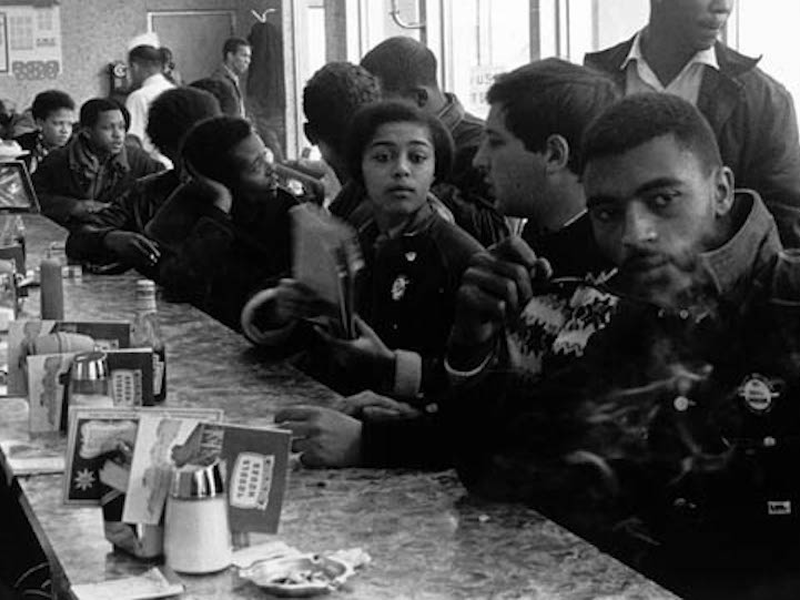
lunch-counter
American Politics

Covenants of Exclusion

A hundred years ago, William Warley signed a contract to buy a house in Louisville, Kentucky from Charles Buchanan, a white man. Before closing the sale, Warley, who was black, learned that the lot was subject to a city ordinance barring blacks from occupying the premises if most of the…

by Brendan O'DonnellFebruary 3, 2015
shakespeare-2
Literature

The Bard and the Book

I concluded the first essay on this topic by saying that I would introduce three books about Shakespeare and the Bible, but I decided to introduce four instead. The three books become four are: Naseeb Shaheen, Biblical References in Shakespeare’s Plays (London: Associated University Presses, 1999) ; Hannibal Hamlin, The…

by Ralph Allan SmithJanuary 29, 2015
augustine-2
Augustine

Augustine on Pagan Virtue

My children attend a classical Christian school, situated in the independent “free church” evangelical tradition. Over the past few years they have been growing in their acquaintance with the world of Homer, Plato, Virgil, and Livy. They enjoy it, and I envy it. The school is a great school. My…

by Gerald HiestandJanuary 27, 2015
prodigal-son
Atonement

The Prodigal and the Cross

The Prodigal Son parable (Luke 15) has been a favorite of liberal theologians for a couple of centuries. It seems to be a parable designed for liberal sensibilities: An indulgent, accepting Father; forgiveness extended without a cross; a surly older brother who might represent the "conservative" face of religion who…

by Peter LeithartJanuary 22, 2015
sky-from-bridge
Ascension

Underground Man, Ascended Man

“I want now to tell you, gentlemen, whether you care to hear it or not, why I could not even become an insect. I tell you solemnly, that I have many times tried to become an insect. But I was not equal even to that. I swear, gentlemen, that to…

by Richard BledsoeJanuary 20, 2015

Showing page 161 of 309

See all

Showing page 39 of 43

See all

Day of Wrath (Romans 2)

What about taking “day of wrath” in Romans 2 as AD 70? Some arguments: 1) Dunn lists the verses that use similar phrases for “wrath and indignation” and “tribulation and distress,” and most of them are about historical judgments on Israel. There’s a cluster of uses in Deut 28:55ff, which…

November 7, 2003
Theology

Intellectualism and Voluntarism both arise

Intellectualism and voluntarism both arise from the same theological error: from the assumption that there is some realm that is independent and autonomous. This is most obvious with intellectualism: For intellectualists, things have indepdendent value that God recognizes and evaluates. Voluntarists are, however, making the same error. They assume that…

November 6, 2003

Studebaker on Pauw

Steve Studebaker writers in the Scottish Journal of Theology (56:3) about Edwards’s trinitarian theology, and includes an extended critique of Amy Plantinga Pauw’s treatment of Edwards’s incipient “social trinitarianism.” According to Studebaker, Pauw’s analysis only works if one assumes that the history of Trinitarian theology can be sketched out as…

November 5, 2003

The Olive Tree (Romans 11)

In the same issue of JSNT, Philip Esler examines ancient oleiculture to illumine Paul’s use of the olive tree image in Romans 11. When he describes branches being grafted into an olive tree, Paul refers to a common practice. But the normal practice is to graft cultivated olive branches onto…

November 5, 2003

Acts 20:20

Jerome Neyrey has an interesting article on Acts 20:20 in the current issue of JSNT. He examines the cultural background to Paul’s use of the phrase “in public and from house to house” by examining various expressions in Greek and Latin writers that correspond to modern “public” and “private.” These,…

November 5, 2003
Literature

Modernity

To what extent is modernity merely a recovery of the tragic? Tragedy, to my knowledge, simply didn’t exist in the medieval world. Drama revived late in the medieval period, but tragedy was reintroduced by the Renaissance. In Shakespeare, the tragic is set in a larger Christian comic setting, with profoundly…

November 5, 2003

Showing page 2170 of 2212

Browse by Category

In Medias Res

Your weekly digest for all things Theopolis.

Donate

Theopolis is nearly 100% donor-supported. Consider joining us on our mission.