Theopolis Logo

Writing

Explore our collection of theological essays, biblical studies, and reflections on faith and culture.

See all
evangelists
Matthew

Dating Matthew, (Part 1)

When might the Gospel according to Matthew have been written? Of course, any answer can only be speculation, but that does not mean we are reduced to groundless opinion. In this series of articles I point the way to an approach different from the general consensus among scholars today which…

by Ralph Allan SmithNovember 22, 2016
hebrew-manuscript-3
Hermeneutics

Synopticity, (Part 2)

In my first essay on “synopticity” I offered a rather rough definition of the phenomenon and important, though not exhaustive examples. In this essay, I want to introduce broader aspects of the phenomenon of “synopticity.” The first example that I have in mind is conventional stories, stories of different historical…

by Ralph Allan SmithNovember 17, 2016
screen-shot-2016-03-31-at-9-32-11-am
Ascension

Brexit and the Binding of Satan, Part 4

Since the judgment of Babel was followed by the initiation of the circumcision, the impending end of the circumcision in AD70 explains the significance of the first century miracle of foreign tongues. Except for a few Aramaic “teasers” in the book of Daniel, the Word of God was monolingual and…

by Mike BullNovember 15, 2016
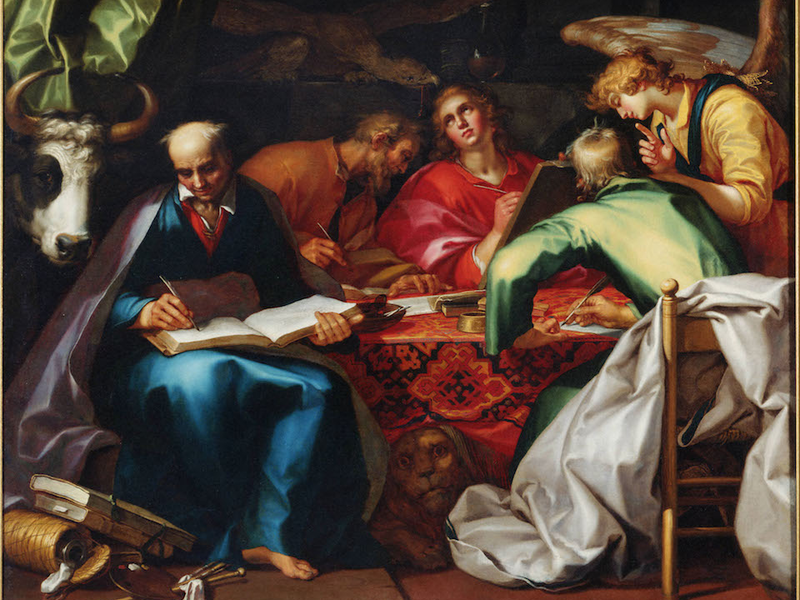
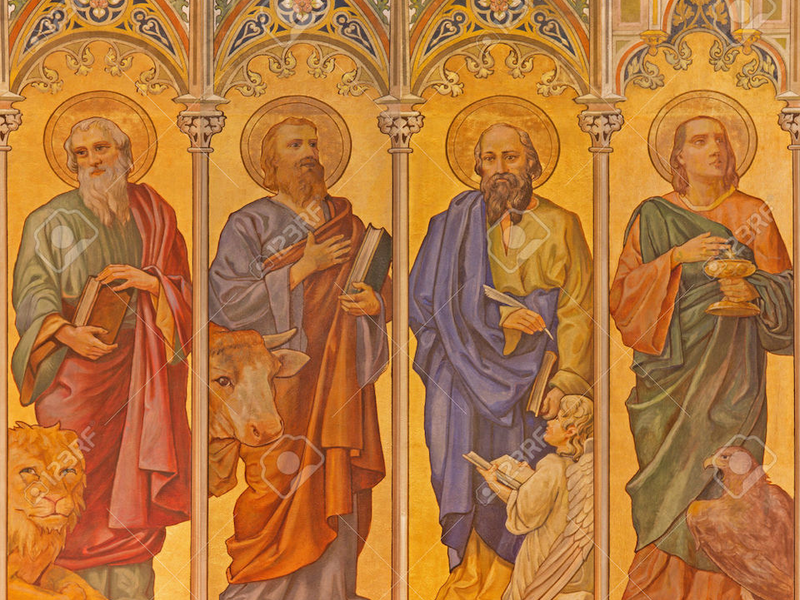
four-evangelists
Hermeneutics

Synopticity, (Part 1)

To the best of my knowledge “synopticity” is not a word used in theology or Biblical studies, but it seems an appropriate word to describe the kind of phenomena associated with the Synoptic Gospels, Matthew, Mark, and Luke. These three Gospels tell essentially the same story with significant — sometimes…

by Ralph Allan SmithNovember 10, 2016
laughing_statue_by_xxbobbiie-d5f0meh-2
Humor

Learning to Laugh

Humor is a funny thing. It is altogether familiar yet also mysterious. What makes us laugh? Why do we find things funny? There are academic fields of study dedicated to discovering what makes things humorous. These academicians even have a journal entitled International Journal of Humor Research . No joke.…

by Bill SmithNovember 8, 2016
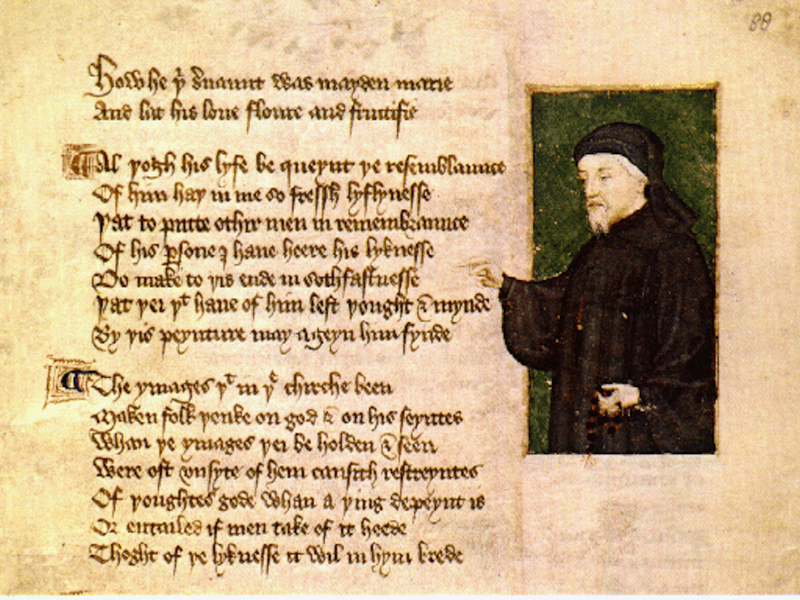
chaucer
Literature

Flawed Means of Grace: Liturgy in The Pardoner's Tale

Out of all the characters in Geoffrey Chaucer’s The Canterbury Tales , the Pardoner has been called the “one lost soul.” The pious Parson, who closes out the collection of tales with a sermon on the seven deadly sins and how a sinner can absolve himself of them, connects the…

by Christian LeithartNovember 3, 2016

Showing page 122 of 309

See all

Showing page 39 of 43

See all

Kantian Eschatology

I n his essay on “The End of All Things,” Kant analyzes the “pious language” that speaks of “a person who is dying as going out of time into eternity.” Kant finds no comfort in the thought. On the contrary there is “something horrifying” about it. The end of time…

January 4, 2017

Urban Utopia

E ric Gilchrest ( Revelation 21-22 in the Light of Jewish and Greco-Roman Utopianism ) suggests that the conclusion vision of Revelation would receive a quite different reaction from its original readers, depending on whether they had been schooled in Jewish or in Greco-Roman Utopian traditions. For a Jewish reader,…

January 3, 2017

Watchers

T he angelic “guards” at the gates of the new Jerusalem are, argues Margaret Barker ( Revelation of Jesus Christ , 323), “probably a memory of the ancient guardians of the city known to Isaiah, ‘the watchmen set on the walls' (Isa. 62.6).” Barker claims that “These ‘watchers' are concealed…

January 3, 2017

Merry Christmas

I ‘m taking a break from blogging over the Christmas holidays. For daily seasonal musings and meditations, see the Theopolis blog .

December 19, 2016
Poetry

Poetic Apocalypse

C hristian Wiman ( My Bright Abyss , 51-2) claims that some poets—“surprisingly few”—possess “a very particular gift for making a thing at once shine forth in its ‘thingness' and ramify beyond its own dimensions.” He sites several lines from Norman MacCaig: “Straws like tame lightnings lie about the grass…

December 16, 2016

Enemy to Life

C hristian Wiman ( My Bright Abyss , 41) quotes a poem, “These Poems, She Said” by Robert Bringhurst, which Wiman says he “carried . . . in my mind like a totem.” It begins: These poems, these poems, these poems, she said, are poems with no love in them.…

December 16, 2016

Showing page 221 of 2212

Browse by Category

In Medias Res

Your weekly digest for all things Theopolis.

Donate

Theopolis is nearly 100% donor-supported. Consider joining us on our mission.