
Theopolis Logo

Writing

Explore our collection of theological essays, biblical studies, and reflections on faith and culture.

See all
cloister

Gatekeepers

1 Chronicles 9:1 seems to bring the genealogies of 1 Chronicles to an end. The Chronicler has recorded the genealogy of the human race from Adam, focusing on the descendants of Abraham through Jacob. Summing it all up, he says, “So all Israel was enrolled by genealogies; and behold, they…

by Peter LeithartJune 21, 2016
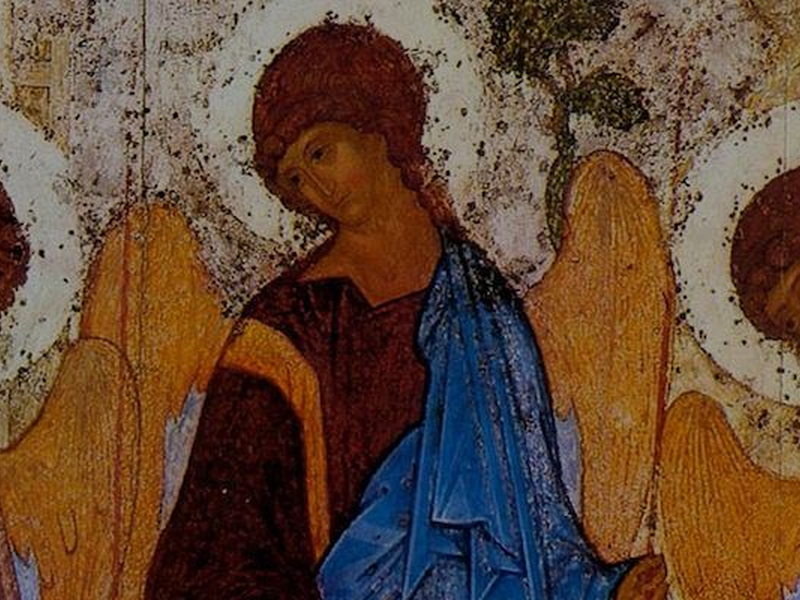
trinity-1-2
Trinity

Are the Divine Persons Persons?

The “personalist” understanding of the Trinity, articulated most influentially in the work of John Zizioulas, has fallen on hard times. Recent scholars have attacked Zizioulas’s idea that Cappadocian Trinitarianism represented an ontological revolution, hammering on the distinction between divine and human personhood. Michel Barnes’s conclusion is the most drastic of…

by Peter LeithartJune 16, 2016
img_4660-2
Architecture

On Biblical Theology

Biblical Theology is often defined as the historical unfolding of God’s revelation, or of God’s revelation and of the history of his covenantal redemption and transformation of humanity and the world. In practice, Biblical Theology is usually broader than this, and also includes the study of literary structure and of…

by James B. JordanJune 14, 2016
laughing_statue_by_xxbobbiie-d5f0meh-2
Humor

Wise Laughter

We are made to be happy. Created to enter into the eternal joy of God, our whole being inclines to that end, but the fallen world has put forth barriers and by our own sin we bar ourselves from that endless delight, and death blinds us to that reality. Yet…

by Remy WilkinsJune 7, 2016
img_7664
Liturgy

Why Theopolis? Take Two

At the end of Revelation, John sees the heavenly city descending to earth. The city shines with the brilliance of God's glory, which lightens the nations, so that kings bring their glory to the city. This is not a vision of the final new heaven and new earth. It's a…

by Peter LeithartJune 2, 2016
trinity-1-2
Attributes of God

How Can We Talk About God?

“No one has ever seen God,” writes John (John 1:18). If this is the case, then how can we speak about God? Some people say we actually cannot. Or at least we cannot speak about God positively, i.e. who He is. We can only say who or what God is…

by Bogumil JarmulakMay 31, 2016

Showing page 130 of 309

See all

Showing page 39 of 43

See all

Parthian Invasion?

S ome commentators on Revelation give the Parthian empire a major role in the book. The Parthian empire stretched from the Euphrates to Iran; the Silk Road passed through, making it crucial to trade routes from the Roman empire to the far east. Romans and Parthians fought several times during…

November 15, 2016

Structure in 1 Chronicles 17

D avid wants to build Yahweh a house, and Nathan the prophet approves (1 Chronicles 17:1-2). That night, the word of Yahweh comes to Nathan to correct him. When Nathan delivers the oracle, David is a new Abraham, to whom the “Word of the Lord came” to promise the land…

November 14, 2016

Hegel the Theologian

E nrique Dussel ( Underside of Modernity ) explains Hegel’s defection from Kant in theological terms. Inspired by Schiller's distinction of reason as “the vital faculty of synthesis” and understanding as the faculty that “determines its object, separates it, kills it,” Hegel described the kingdom of Jesus in terms of…

November 11, 2016
Reformational Catholicism

Confessionalization and Division

I have only two quick responses to Toby Sumpter's generous and thoughtful review of (a part of) The End of Protestantism . First, he expresses the wish that I would have called the book The End of Denominationalism or somesuch, hinting that I chose the title because of its rhetorical…

November 11, 2016

Jezebel and Babylon

P aul Duff ( Who Rides the Beast? 90) calls attention to five parallels between the prophetess Jezebel of Thyatira (Revelation 2) and the harlot city Babylon (Revelation 17-18). “First, Ahab's wife was a queen—of the kingdom of Israel in the ninth century BCE; the regal bearing of ‘Babylon' in…

November 11, 2016

Dooyeweerdian Impasse

I n an essay on radical Augustinian social critique in his Religion, Truth, and Social Transformation , Lambert Zuidervaart summarizes the social vision of Herman Dooyeweerd with two themes: spiritual antithesis and structural differentiation. The antithesis is, for Dooyeweerd, “universal, comprehensive, and deeply spiritual,” running “right through the Christian life…

November 11, 2016

Showing page 232 of 2212

Browse by Category

In Medias Res

Your weekly digest for all things Theopolis.

Donate

Theopolis is nearly 100% donor-supported. Consider joining us on our mission.