Theopolis Logo

Writing

Explore our collection of theological essays, biblical studies, and reflections on faith and culture.

See all
evangelists
Matthew

Dating Matthew, (Part 1)

When might the Gospel according to Matthew have been written? Of course, any answer can only be speculation, but that does not mean we are reduced to groundless opinion. In this series of articles I point the way to an approach different from the general consensus among scholars today which…

by Ralph Allan SmithNovember 22, 2016
hebrew-manuscript-3
Hermeneutics

Synopticity, (Part 2)

In my first essay on “synopticity” I offered a rather rough definition of the phenomenon and important, though not exhaustive examples. In this essay, I want to introduce broader aspects of the phenomenon of “synopticity.” The first example that I have in mind is conventional stories, stories of different historical…

by Ralph Allan SmithNovember 17, 2016
screen-shot-2016-03-31-at-9-32-11-am
Ascension

Brexit and the Binding of Satan, Part 4

Since the judgment of Babel was followed by the initiation of the circumcision, the impending end of the circumcision in AD70 explains the significance of the first century miracle of foreign tongues. Except for a few Aramaic “teasers” in the book of Daniel, the Word of God was monolingual and…

by Mike BullNovember 15, 2016
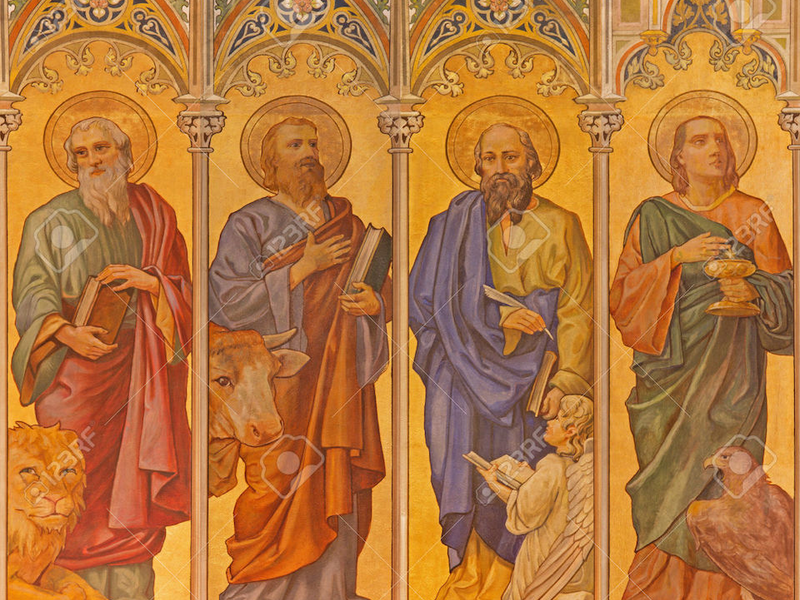
four-evangelists
Hermeneutics

Synopticity, (Part 1)

To the best of my knowledge “synopticity” is not a word used in theology or Biblical studies, but it seems an appropriate word to describe the kind of phenomena associated with the Synoptic Gospels, Matthew, Mark, and Luke. These three Gospels tell essentially the same story with significant — sometimes…

by Ralph Allan SmithNovember 10, 2016
laughing_statue_by_xxbobbiie-d5f0meh-2
Humor

Learning to Laugh

Humor is a funny thing. It is altogether familiar yet also mysterious. What makes us laugh? Why do we find things funny? There are academic fields of study dedicated to discovering what makes things humorous. These academicians even have a journal entitled International Journal of Humor Research . No joke.…

by Bill SmithNovember 8, 2016
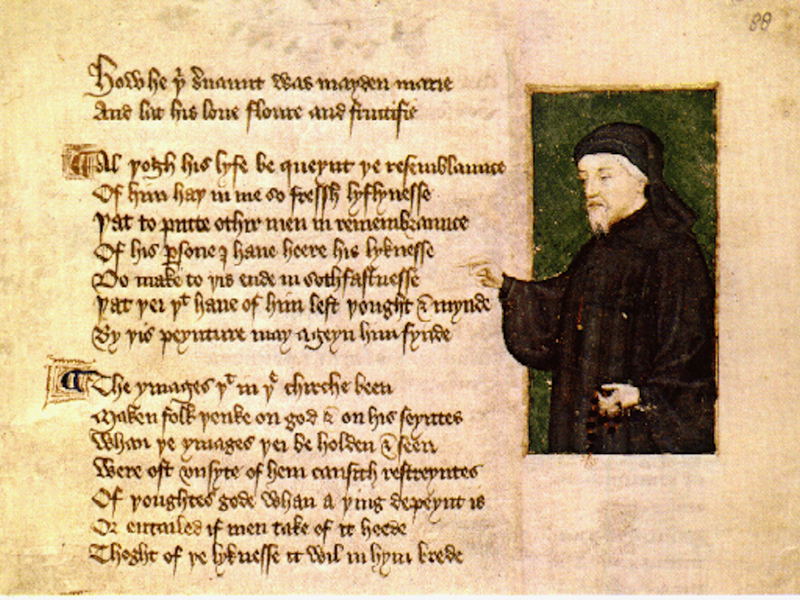
chaucer
Literature

Flawed Means of Grace: Liturgy in The Pardoner's Tale

Out of all the characters in Geoffrey Chaucer’s The Canterbury Tales , the Pardoner has been called the “one lost soul.” The pious Parson, who closes out the collection of tales with a sermon on the seven deadly sins and how a sinner can absolve himself of them, connects the…

by Christian LeithartNovember 3, 2016

Showing page 122 of 309

See all

Showing page 39 of 43

See all

Shakespeare on Sacraments

In their essay on the Eucharist in Cultural Reformations , David Aers and Sarah Beckwith notes that “one of the central images in the exhortations to Holy Communion in the Book of Common Prayer and also in the ‘Homily of the Worthy Reception’ is the image of the heavenly banquet…

May 13, 2016

Reformation Crucifixion

In the second volume of his study of the cross in Western art ( The Triumph of the Cross ), Richard Viladesau notes that “the period immediately preceding the Reformation was one in which Christ's passion was treated with graphic emphasis on the violence of the events and on the…

May 13, 2016

Worthy Reception

In a contribution to Cultural Reformations , David Aers and Sarah Beckwith explain that “One of the chief reasons why Cranmer and other reformers thought the rejection of transubstantiation was so essential was that it negated the act of repentance and reception. If the body of Christ was e x…

May 12, 2016

Augustinian Eucharist

David Aers and Sarah Beckwith argue that Augustine's interpretation of John 6 cannot be understood in a Zwinglian or Wycliffite sense (essay in Cultural Reformations , 153). Augustine does say “Believe and you have eaten,” but Augustine's framework for saying this is corporate and ecclesial. As evidence, they summarize Augustine's…

May 12, 2016

Disenchantment and the Sacrifice of Intellect

Theology often lays claim to scientific status, Weber observes, but in doing so does something that no genuine science does: It operates with substantive presuppositions, especially the assumption that the cosmos is meaningful. In “Science as a Vocation,” he writes, “All theology represents an intellectual rationalization of the possession of…

May 12, 2016

From the Mountain

John is carried by the Spirit to a “great and high mountain” (Revelation 21:9-10), where he sees new Jerusalem descend from heaven. It's the last mountain in Bible, in line with Eden, Sinai, Zion, Moriah, Tabor, Olives. The link with Sinai is especially important, but not because this is a…

May 11, 2016

Showing page 290 of 2212

Browse by Category

In Medias Res

Your weekly digest for all things Theopolis.

Donate

Theopolis is nearly 100% donor-supported. Consider joining us on our mission.