Theopolis Logo

Writing

Explore our collection of theological essays, biblical studies, and reflections on faith and culture.

See all
tanner-mardis-xuxghzhibn4-unsplash-1-2
Biblical Studies

Tweets-turned-Notes on the Bible’s Chronology

Summary In what follows, I will consider the “year-stamps” employed in Scripture, i.e., statements of the form, “Such-and-such an event took place in the Xth year of Y.” In the process, I will suggest some ways in which the Biblical narrative might relate to events in the extra-Biblical world, though…

by James BejonJuly 16, 2019
durer-prodigal-son-2
Luke

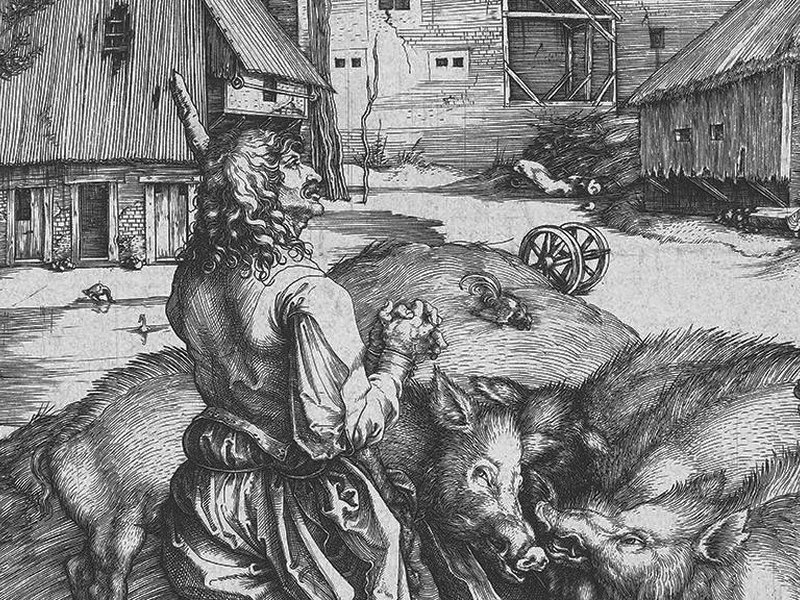
Perspectives on the Prodigal, (Part 2)

In the first essay on the parable of the Prodigal Son, I suggested that the problems commentators and others encounter in interpreting Jesus three-part parable are not accidental. These are not just problems in our ignorance of cultural background. They are intentional features of the stories —stories designed to poke…

by Ralph Allan SmithJuly 11, 2019
durer-prodigal-son-2
Luke

Perspectives on the Prodigal, (Part 1)

The story of the Prodigal Son is perhaps the most well-known story in the Bible. As others have observed, it may also be one of the most misunderstood. In two short essays, I will point out features of this story that are commonly neglected, aspects of Jesus’ parable that might…

by Ralph Allan SmithJuly 9, 2019
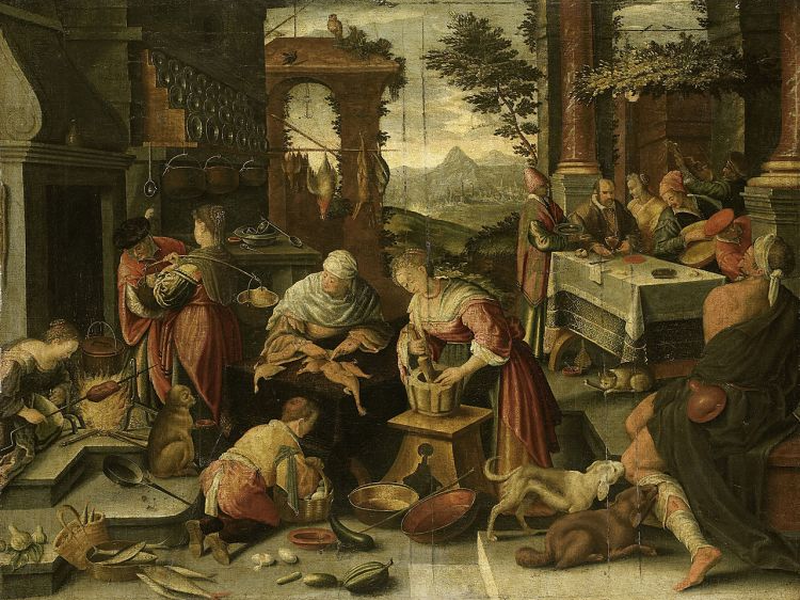
de-rijke-man-en-de-arme-lazarus-by-jacopo-da-ponte-16th-century
Luke

Lazarus and the Rich Man

The parable of Lazarus and the nameless rich man is not an independent story. It is part of a long context that begins in Luke 15:1, where Jesus is eating with tax collectors and sinners and the scribes and Pharisees grumble. In response to their hardheartedness, Jesus tells a three-part…

by Ralph Allan SmithJuly 4, 2019
aaron-burden-uynrnfdkjwg-unsplash
Luke

Everybody has Dropsy - Luke 14:1-24

The Bible is written so that even when a reader cannot pick up on what might be deeper or more detailed aspects of a text, there is virtually always a message to be heard. In the ancient world, where the “reader” of Scripture would likely be a church official facing…

by Ralph Allan SmithJuly 2, 2019
communion
Biblical Theology

Fruit Trees and Grain Plants

The distinction between garden (or vineyard) and field begins in Genesis 2. This relates to the ordering of the formless world. Plants of the field are contrasted with the garden planted by God in Genesis 2:5&8. Later on, under the Old Covenant the Israelites will be required to keep their…

by James B. JordanJune 27, 2019

Showing page 77 of 309

See all

Showing page 39 of 43

See all

Singulars and Plurals

Psalm 1 pronounces a blessing on the “ man who does not walk in the counsel of the wicked” (v. 1). For some modern translators, it's a sexist text: Aren't women blessed when they refuse the counsel of the wicked? “Man” is not an absolutely necessary translation. The Hebrew ‘ish…

September 2, 2015

How To Create Church Fights

Denominational Christianity is a safety-valve. When things get too hot in a congregation, one or the other party leaves and starts its own church. Pressure reduces. Over time, the divided parties might even make up after a fashion. Denominational Christianity seems a peace treaty. Lesslie Newbigin, a leader in the…

September 1, 2015

Shoes and Holy Ground

In a recent Theopolis lecture, James Jordan pointed to the ritual of Ruth 4 to explain the significance of removing shoes on holy ground. There, a man hands over a shoe as a sign of submission and ceding authority to another. To remove shoes is to acknowledge that God is…

September 1, 2015

Why Evangelical Films Fail

I went to a screening of Woodlawn last Saturday. Directed by Birmingham brothers Jon and Andrew Erwin, the film tells the true story of revival among the players on the football team at Woodlawn High School in Birmingham during a racially tense period of the 1970s. The film focuses on…

September 1, 2015

The Scope of Revelation

In the first volume of his Reformed Dogmatics (435-6), Herman Bavinck notes that the final end of everything is “God Himself,” since “he can never come to an end in creation but can only rest in himself.” Revelation's purpose is consistent with this overall aim. Thus “the object of revelation…

August 31, 2015

Crisis of Manhood

One of the many illuminating observations in Philipp Blom's Fracture is his observation that the early 20th century witnessed a massive crisis of manhood. He sees signs of it already in pre-World War I Europe (covered in Blom's The Vertigo Years ) as the rise of machinery and factory labor…

August 31, 2015

Showing page 382 of 2212

Browse by Category

In Medias Res

Your weekly digest for all things Theopolis.

Donate

Theopolis is nearly 100% donor-supported. Consider joining us on our mission.