Theopolis Logo

Writing

Explore our collection of theological essays, biblical studies, and reflections on faith and culture.

See all
cloister

Gatekeepers

1 Chronicles 9:1 seems to bring the genealogies of 1 Chronicles to an end. The Chronicler has recorded the genealogy of the human race from Adam, focusing on the descendants of Abraham through Jacob. Summing it all up, he says, “So all Israel was enrolled by genealogies; and behold, they…

by Peter LeithartJune 21, 2016
trinity-1-2
Trinity

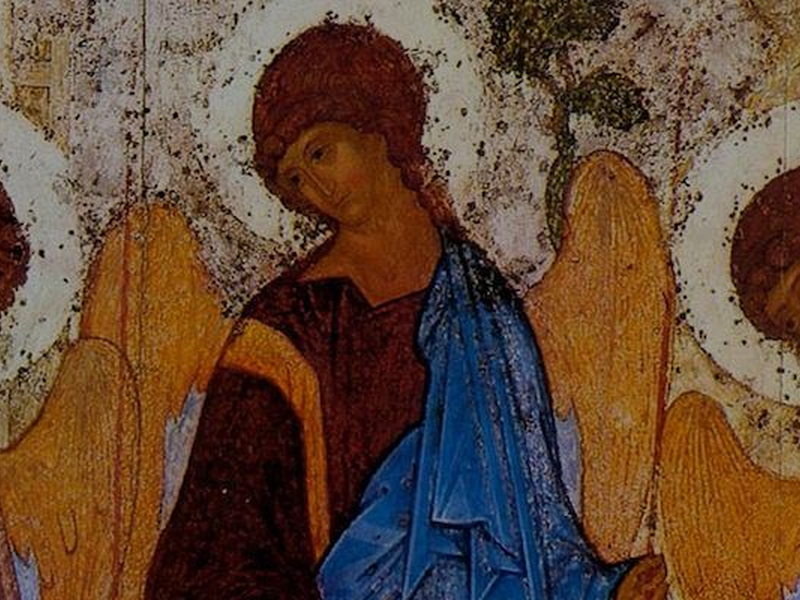
Are the Divine Persons Persons?

The “personalist” understanding of the Trinity, articulated most influentially in the work of John Zizioulas, has fallen on hard times. Recent scholars have attacked Zizioulas’s idea that Cappadocian Trinitarianism represented an ontological revolution, hammering on the distinction between divine and human personhood. Michel Barnes’s conclusion is the most drastic of…

by Peter LeithartJune 16, 2016
img_4660-2
Architecture

On Biblical Theology

Biblical Theology is often defined as the historical unfolding of God’s revelation, or of God’s revelation and of the history of his covenantal redemption and transformation of humanity and the world. In practice, Biblical Theology is usually broader than this, and also includes the study of literary structure and of…

by James B. JordanJune 14, 2016
laughing_statue_by_xxbobbiie-d5f0meh-2
Humor

Wise Laughter

We are made to be happy. Created to enter into the eternal joy of God, our whole being inclines to that end, but the fallen world has put forth barriers and by our own sin we bar ourselves from that endless delight, and death blinds us to that reality. Yet…

by Remy WilkinsJune 7, 2016
img_7664
Liturgy

Why Theopolis? Take Two

At the end of Revelation, John sees the heavenly city descending to earth. The city shines with the brilliance of God's glory, which lightens the nations, so that kings bring their glory to the city. This is not a vision of the final new heaven and new earth. It's a…

by Peter LeithartJune 2, 2016
trinity-1-2
Attributes of God

How Can We Talk About God?

“No one has ever seen God,” writes John (John 1:18). If this is the case, then how can we speak about God? Some people say we actually cannot. Or at least we cannot speak about God positively, i.e. who He is. We can only say who or what God is…

by Bogumil JarmulakMay 31, 2016

Showing page 130 of 309

See all

Showing page 39 of 43

See all

Life in a Medieval Parish

“Parochial Christianity,” writes Mark Greengrass ( Christendom Destroyed ), “was more than a religious experience. It was a set of rights to benefices which were the key to monopoly revenues (the tithe, collected in various forms) in which patrons, collators and clergymen all had interests. And behind every parish church…

June 5, 2015

Crusoe Errant

Robinson Crusoe suffers enormous hardship before he ever gets to his island, and the hardship seems disproportionate to the wrong he commits. Is running off to sea against his father's wishes such an enormity? In his classic study of Defoe and Spiritual Autobiography , GA Starr explains that Robinson “defies…

June 4, 2015

Restorative Justice

Howard Zehr makes clear in his Little Book of Restorative Justice that “restorative justice” isn't a panacea. It doesn't pretend to replace the the legal system, nor is it necessarily opposed to retribution (12-13). Primarily, restorative justice is an effort to put the principle actors back at the center of…

June 4, 2015

Gift of Work

RJ Snell's Acedia is about acedia. But before he gets to his extended analysis of that vice, he offers a superb, brilliantly brief, ontology and anthropology, drawing on the resources of Trinitarian theology and the book of Genesis. Among other things, Snell emphasizes the gift that is human work, a…

June 4, 2015

On a cloud

John sees one like a son of man on a cloud, holding a sickle (Revelation 14:14). We assume that He's traveling down to reap the harvest, but is that correct? The original for this son-cloud combination if Daniel 7:13, where it is clear that the Son of Man comes up…

June 4, 2015

Ideological art

D avid Goldman ( It's Not the End of the World, It's Just the End of You ) argues that “modern art is ideological, as its proponents are the first to admit. It was the ideologues, namely the critics, who made the reputation of the abstract impressionists, the most famous…

June 3, 2015

Showing page 417 of 2212

Browse by Category

In Medias Res

Your weekly digest for all things Theopolis.

Donate

Theopolis is nearly 100% donor-supported. Consider joining us on our mission.