Theopolis Logo

Writing

Explore our collection of theological essays, biblical studies, and reflections on faith and culture.

See all
david-with-goliaths-head-and-soldiers-crop

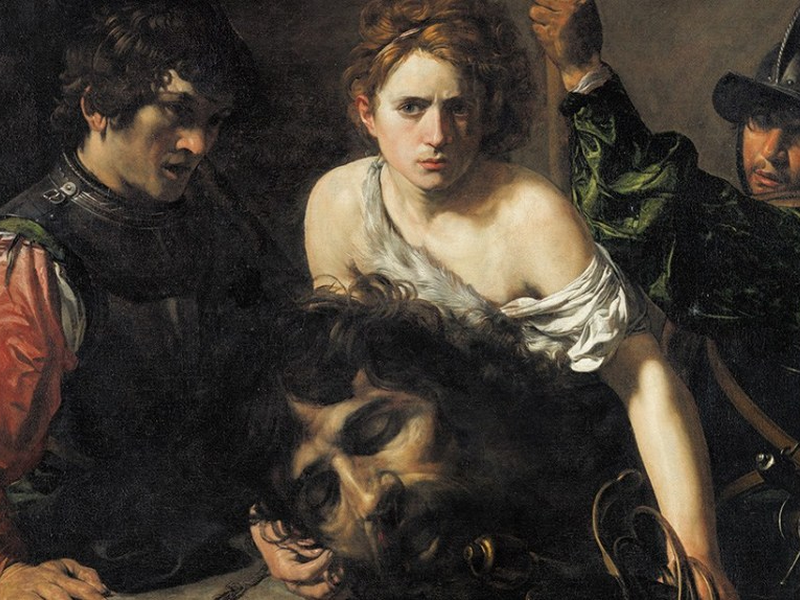
David, Goliath, and the Body of Moses, Part 1

In the Bible, all the world is a stage, but like the Tabernacle, that stage moves around a lot. David’s defeat of Goliath can only be fully understood as liturgy fulfilled in history. Liturgy, as a sacrifice of praise, is the step-by-step process of resolving a conflict. It relinquishes all…

by Mike BullAugust 22, 2019

andrew-welch-eozrev7i3pi-unsplash
Aristotle

On Friendship

Aristotle isn’t fundamentally wrong about friendship, nor is the long tradition that follows him. But you might not gather that by reading some of the more pointed critics of the classical conception of friendship. I think, however, that the classical view is not only viable but taken up and fulfilled…

by Jack FranicevichAugust 20, 2019
jachan-devol-xdplirqchx8-unsplash
Epistemology

Integration: Putting the Pieces Together

#13 in Theopolis Papers, Seeking Integration in a Fragmented World It is time for me to “cast off” integration, the way a knitter removes a completed scarf from the needles. I want to bring my quest concerning integration to a decent closure, though my happy quest for reality continues. With…

by Esther Lightcap MeekAugust 13, 2019
nebuchadnezzar
Revelation

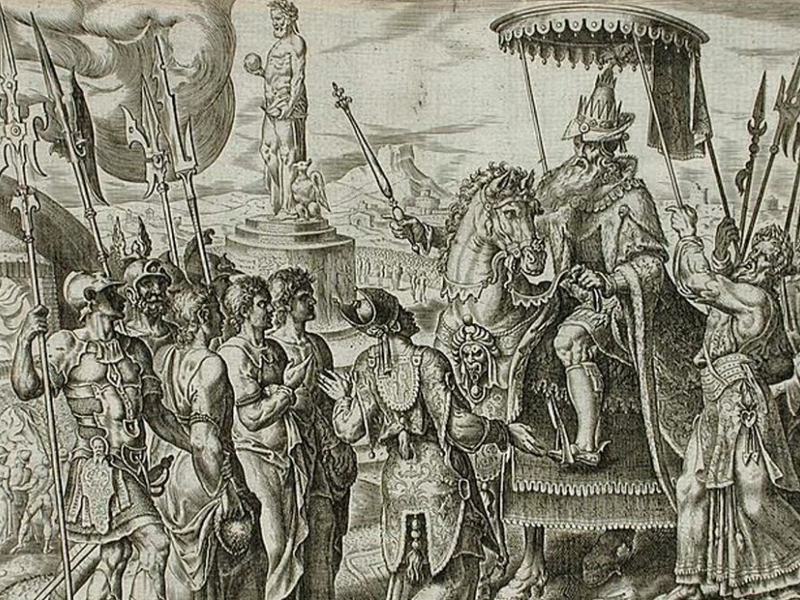
Nebuchadnezzar’s Unfinished Symphony

Below are some notes on a particular sub-theme of Daniel 3, namely the downfall of Babylon’s liturgy. First up, a few words on our text’s literary construction. One of the most conspicuous features of Dan. 3 is its author’s love of lists . Personnel are listed (vs. 2, 3, 27),…

by James BejonAugust 6, 2019
e99a0657
Prayer

Praying for God's Good Name

Few things in Scripture, few things in the Christian life, are more familiar than the Lord’s Prayer. Sunday after Sunday, we pray these words together with our brothers and sisters. At home, alone or with our families, we pray this prayer daily, as Jesus taught us (Luke 11:2: “When you…

by John BarachJuly 30, 2019
catholicity_1
Culture

The Head, the Heart, and the “Gay Christian” Movement

At the 2019 General Assembly of the Presbyterian Church in America, the denominational delegates considered a number of official overtures (requests for action from the regional parts of the denomination) relating to issues of gender and sexuality. The PCA is conservative. As evidence of this, the assembly passed a resolution…

by Jonathan BarlowJuly 23, 2019

Showing page 76 of 309

See all

Showing page 39 of 43

See all

Fated Adventure

According to Michael Nerlich ( Ideology of Adventure ), “all figures of the Greek and Latin novels of adventure are ‘involuntary’ adventurers.” Mikhail Bakhtin too ( Dialogic Imagination ) emphasizes that in earlier adventures “an individual can be nothing other than completely passive, completely unchanging” and function as “merely the…

May 1, 2015

Siegfried in Victory and Defeat

Winder McConnell ( Nibelungenleid , 98-99) sketches the changing uses of the epic in the mid-20 th century: “During the Weimar Republic, the themes and motifs of the Nibelungenlied had been employed by authors of antirepublican persuasion to express optimism for Germany’s future, but poets and dramatists sympathetic to the…

May 1, 2015

Wagner, Tristan, Love

In an essay in A Companion to Gottfried of Strassburg's Tristan , Ulrich Muller argues that “In Tristan und Isolde Wagner radically transformed the meaning and message of Gottfried’s romance, just as he had in Parsifal. As cast by Gottfried (and in all medieval versions), the lovers and their love…

May 1, 2015

Art of Divine Love

Andreas Capellanus literally wrote the book on the Art of Courtly Love , but the concluding Book 3 suggests that the book was a cautionary tale throughout. Capellanus closes the treatise with an exhortation to Walter, the man to whom the book is addressed to abstain from the desires of…

April 30, 2015

Liberal Arts in Middle Ages

Even today, when historians have abandoned the idea, many regard the Middle Ages as a time dark and ignorant, the huddled masses in shadows until the burst of light that came with the Renaissance and then the Enlightenment. For centuries, it is often thought, medieval thinkers knew little of the…

April 30, 2015

Allegorizing Homer

Allegorization was one of the techniques medieval used, adapted from ancient writers, to incorporate pagan writing in a biblical framework. As Ernst Curtius ( European Literature and the Latin Middle Ages ) writes, “the Middle Ages subjected profane writers to allegorical interpretation exactly as it did the Bible, and .…

April 30, 2015

Showing page 432 of 2212

Browse by Category

In Medias Res

Your weekly digest for all things Theopolis.

Donate

Theopolis is nearly 100% donor-supported. Consider joining us on our mission.