Theopolis Logo

Writing

Explore our collection of theological essays, biblical studies, and reflections on faith and culture.

See all
sunrise-2
Creation

Maker of Heaven and Earth, (Part 4)

In my previous two posts, I looked at aspects of Psalms 93, 95, 96 and 98 that declare Yahweh, the divine King, to be the world’s own Creator. In my next post, I plan to argue that the creation theology of the sub-section constituted by Psalms 93-100 contributes to the…

by Stephen LongApril 23, 2015
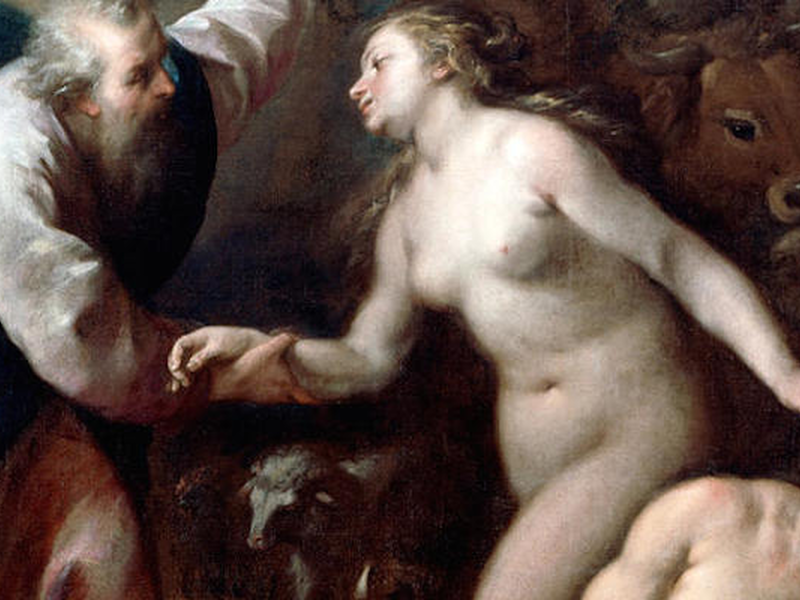
creation-eve
Otherness

Sexual Difference, Liberal and Christian

Ethika Politika has published a fascinating interview within which the French Catholic philosopher Fabrice Hadjadj discusses his recent work on the subject of sexuality. While there are many points where our lines of reasoning as Protestants will sharply diverge from Hadjadj’s, there is also much that is deeply perceptive in…

by Alastair RobertsApril 21, 2015
giammarco-zeh-ljawhtg-unsplash
Literature

Macbeth and the Fall of Adam

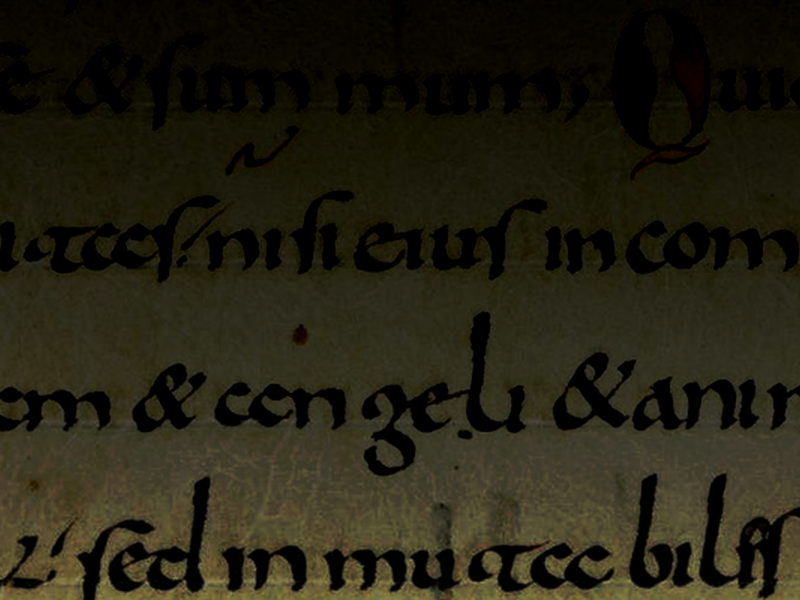
For anyone in Shakespeare’s audience who knew the real story of Macbeth, his play must have been surprising. Shakespeare changed so many important details of the historical Macbeth’s life that had Raphael Holinshed, the main author of the most popular history of the British Isles in Shakespeare’s day — Holinshed…

by Ralph Allan SmithApril 16, 2015
medievalilluminatedmanuscript
Creation

Maker of Heaven and Earth, (Part 3)

I started looking at a sequence of psalms on divine Kingship (Psalms 93-100) in my last post, part of a series looking at the Old Testament’s witness to Yahweh’s exercise of absolute mastery over his cosmos. I am not trying to “prove” a doctrine of creation ex nihilo directly from…

by Stephen LongApril 14, 2015
pearls
Anxiety

(Un)Holy Fear

Most of the time I believe that dread is wise, anxiety righteous, fear a holy thing. It sounds ridiculous, but bear with me. There are days when fear seems to be not only a rational response to my circumstances, but a moral duty. After all, being a grown-up means responsibility.…

by Leta SundetApril 11, 2015
emmanuel-phaeton-1bwmfmvybi8-unsplash
Psalms

Psalm 36 Commentary

Get the Psalm 36 Translation here Psalm 36 begins with several translation problems. First, the first word in the actual psalm, as it is found in the English text, is the word "oracle." This word also begins the second verse in the medieval Massoretic Hebrew text, which is our basic…

by James B. JordanApril 10, 2015

Showing page 155 of 309

See all

Showing page 39 of 43

See all

Anointed Bread

Leviticus is the oilest book of the Bible. The Hebrew shemen is used 42 times (6 x 7); the closest competitor is Numbers, with 34 uses. The uses of shemen are clustered. Leviticus 2 uses the word 9 times, all with reference to the preparation of the tribute offering (…

March 25, 2019
egptian-art

Broken Noses

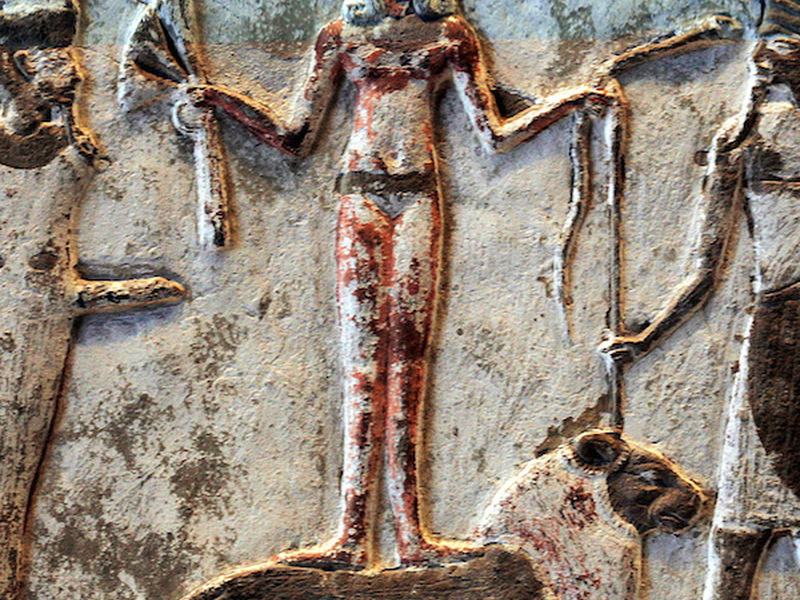
Why do so many Egyptian statues have broken noses? Julia Wolkoff summarizes the answer of Brooklyn Museum curator Edward Bleiberg. Noses protrude, and so are more apt to be knocked off accidentally, but the pattern is too consistent to be accident. Erosion could account for some, but not all. Bleiberg…

March 20, 2019
13714bedda625c2ec1816f0890ed72f4-snow-storms-image-photography
Ecclesiology

Ecclesial Ethics

Some snippets from Philip Turner's Christian Ethics and the Church . The premise of Turner's book is well summarized by a passage he quotes from Sabina Lovibond's Ethical Formation : "The ethical, let us say, pertains to what people learn to value through immersion in a community acquainted with ideas…

March 13, 2019

Nose to Nose

Levitical offerings send a "soothing aroma" ( reyach nichoach ) to Yahweh. Israel needs to produce good smells because her sin is noxious to Yahweh. When Israel rebels, His "nose burns." By slaughtering a substitute animal and turing it to smoke, Israel soothes Yahweh's hot nose. But that can't be…

March 11, 2019
Pneumatology

Reading in the Spirit

“Spiritual reading” is usually associated with patristic, monastic, and medieval modes of reading. It's fruitful, however, to shift the focus and ask what the Spirit has to do with our reading. The Spirit is the enlivening breath of God, the water of God who makes us into a fruitful garden.…

March 6, 2019
capitol-dc
Liberalism

Liberalism and Ecclesia

Liberalism is "in origin primarily a refusal of ecclesial power." So write John Milbank and Adrian Pabst ( Politics of Virtue , 31). In refusing ecclesial power, early modern political theorists renounced the arrangement of Latin Christendom. The "first polity knowing no bounds and truly based upon the rule of…

March 4, 2019

Showing page 46 of 2212

Browse by Category

In Medias Res

Your weekly digest for all things Theopolis.

Donate

Theopolis is nearly 100% donor-supported. Consider joining us on our mission.