Theopolis Logo

Writing

Explore our collection of theological essays, biblical studies, and reflections on faith and culture.

See all
aaron-burden-1ebsmyrau-s-unsplash
John

Moses & Jesus: Friends or Foes?

A Look at John 1.17 For the law was given through Moses, but grace and truth came through Jesus Christ. The above quotation is John 1.17 and comes from the New King James Version of the Bible. It is quite similar to the original translation in the old King James…

by Mark HorneJune 6, 2002

ben-white-w8qqn1pmqh0-unsplash
Christology

Grace Apart From Sin

And the Child continued to grow and become strong, increasing in wisdom; and the grace of God was upon Him. There is nothing faulty in this translation (New American Standard Bible); Jesus was the recipient of the grace of God His Father from whom He is eternally begotten and with…

by Mark HorneJune 6, 2002
ivan-aleksic-16yxcjsoaek-unsplash
Philemon

Flesh and Lord: Philemon 15 & 16

When Paul wrote to Philemon asking him to forgive his runaway slave, Onesimus, he gave Philemon an interesting perspective on how God used Onesimus’ action to bring about his conversion: For perhaps he was for this reason parted from you for a while, that you should have him back forever,…

by Mark HorneJune 6, 2002
adam-and-eve-in-the-garden-of-eden-wenzel-peter
Covenant

Covenant of Works?

Adam’s good works were acceptable to God. He could do them and God would receive them. Our own “good” works, our very best works, require the forgiveness of God and the continual intercession of Jesus Christ due to their impurity. Thus, it is appropriate to describe God’s covenant with Adam…

by Mark HorneJune 6, 2002
sixteen-miles-out-al48tflf4e8-unsplash
Mark

Blasphemy Against the Holy Spirit?

In Mark’s Gospel we read: “And the scribes who came down from Jerusalem were saying, ‘He is possessed by Beelzebul,’ and ‘He casts out the demons by the ruler of the demons’” (3.22). Jesus replied in part, “Truly I say to you, all sins shall be forgiven the sons of…

by Mark HorneJune 6, 2002
e99a4713
Ecclesiology

A Visionary Ecclesiology

A Primer for Church Members on the Nature and Functions of the Body of Christ Introductory Note: I intend this paper to serve as something of a “user’s guide” for church members, though church leaders may also find it valuable in developing vision statements for their local bodies. I have…

by Rich LuskJune 5, 2002

Showing page 237 of 309

See all

Showing page 39 of 43

See all

Anointed Bread

Leviticus is the oilest book of the Bible. The Hebrew shemen is used 42 times (6 x 7); the closest competitor is Numbers, with 34 uses. The uses of shemen are clustered. Leviticus 2 uses the word 9 times, all with reference to the preparation of the tribute offering (…

March 25, 2019
egptian-art

Broken Noses

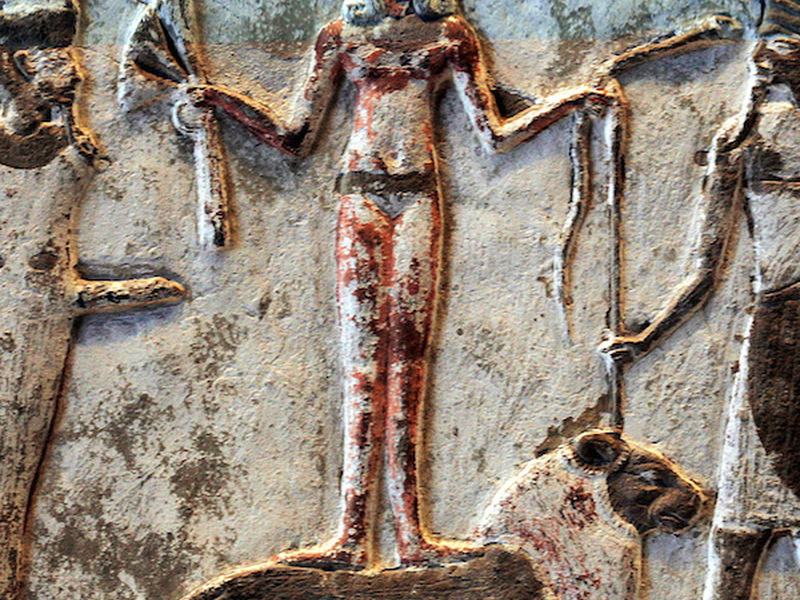
Why do so many Egyptian statues have broken noses? Julia Wolkoff summarizes the answer of Brooklyn Museum curator Edward Bleiberg. Noses protrude, and so are more apt to be knocked off accidentally, but the pattern is too consistent to be accident. Erosion could account for some, but not all. Bleiberg…

March 20, 2019
13714bedda625c2ec1816f0890ed72f4-snow-storms-image-photography
Ecclesiology

Ecclesial Ethics

Some snippets from Philip Turner's Christian Ethics and the Church . The premise of Turner's book is well summarized by a passage he quotes from Sabina Lovibond's Ethical Formation : "The ethical, let us say, pertains to what people learn to value through immersion in a community acquainted with ideas…

March 13, 2019

Nose to Nose

Levitical offerings send a "soothing aroma" ( reyach nichoach ) to Yahweh. Israel needs to produce good smells because her sin is noxious to Yahweh. When Israel rebels, His "nose burns." By slaughtering a substitute animal and turing it to smoke, Israel soothes Yahweh's hot nose. But that can't be…

March 11, 2019
Pneumatology

Reading in the Spirit

“Spiritual reading” is usually associated with patristic, monastic, and medieval modes of reading. It's fruitful, however, to shift the focus and ask what the Spirit has to do with our reading. The Spirit is the enlivening breath of God, the water of God who makes us into a fruitful garden.…

March 6, 2019
capitol-dc
Liberalism

Liberalism and Ecclesia

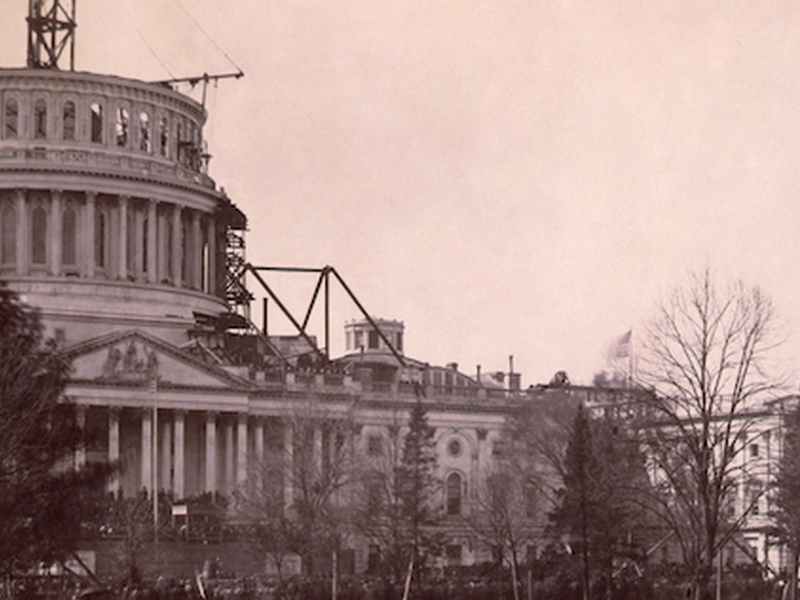
Liberalism is "in origin primarily a refusal of ecclesial power." So write John Milbank and Adrian Pabst ( Politics of Virtue , 31). In refusing ecclesial power, early modern political theorists renounced the arrangement of Latin Christendom. The "first polity knowing no bounds and truly based upon the rule of…

March 4, 2019

Showing page 46 of 2212

Browse by Category

In Medias Res

Your weekly digest for all things Theopolis.

Donate

Theopolis is nearly 100% donor-supported. Consider joining us on our mission.