Theopolis Logo

Writing

Explore our collection of theological essays, biblical studies, and reflections on faith and culture.

See all
screenshot-2024-06-06-at-8-49-49-am
Biblical Theology

Incarnation, Church, & the New Heart

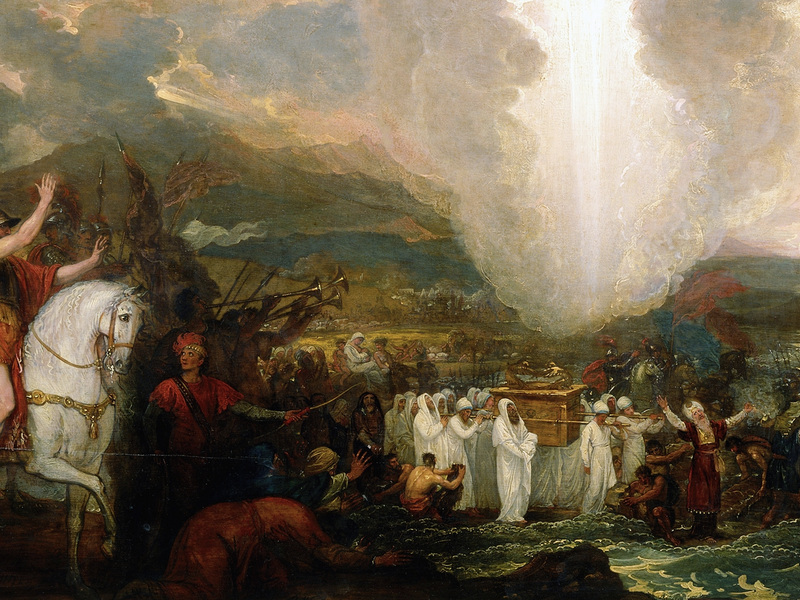
“And it shall be in those days when you are multiplied and increased in the land,” declares the Lord, “they shall say no more, ‘The Ark of the Covenant of the Lord.’ And it shall not come to mind, nor shall they remember it, nor shall they miss it, nor…

by Mark HorneJune 6, 2004
e99a4713
Grace

Grace & Justice in Unexpected Places

Elsewhere, I have argued that there is grace in the so-called covenant of works (see, e.g., my colloquium essay, “A Response to ‘The Biblical Plan of Salvation,’” in The Auburn Avenue Theology: Pros and Cons , edited by Calvin Beisner (pages 118-148). It may be equally surprising to find justice…

by Rich LuskJune 6, 2004
amjd-rdwan-erymmvvsy1y-unsplash-1
Theologia

Trust & Obey

Years ago, as a layman, I had the privilege of attending a Bible study led by a gifted teacher. His story was interesting: back when he was a student he had been severely sanctioned for affirming that one must repent in order to be saved, that one must trust Jesus…

by Mark HorneJune 5, 2004
daniel-born-yw_qx-i8ln4-unsplash
Theologia

The World is Built on Faith

Believing that God really exists Defining “faith” is sometimes made too complicated. The theologian, Louis Berkhof, for example, distinguishes “faith in general” from “faith in the religious sense and particularly saving faith.” Berkhof’s core definition of saving faith is not so bad. He says that it is “a certain conviction,…

by Mark HorneJune 5, 2004
ben-white-qdy9ahp0mto-unsplash
Apostasy

The Children of Christians Are Christians

It is generally acknowledged that when Paul wrote letters to churches, he expected his letters to be read in the worship service to the congregation. It is interesting, then, that when Paul wrote letters to a congregation he could feel free to address children and tell them to obey their…

by Mark HorneJune 5, 2004
24542-cropped-john-calvin
Ecclesiology

Calvin on the Pastor and Community

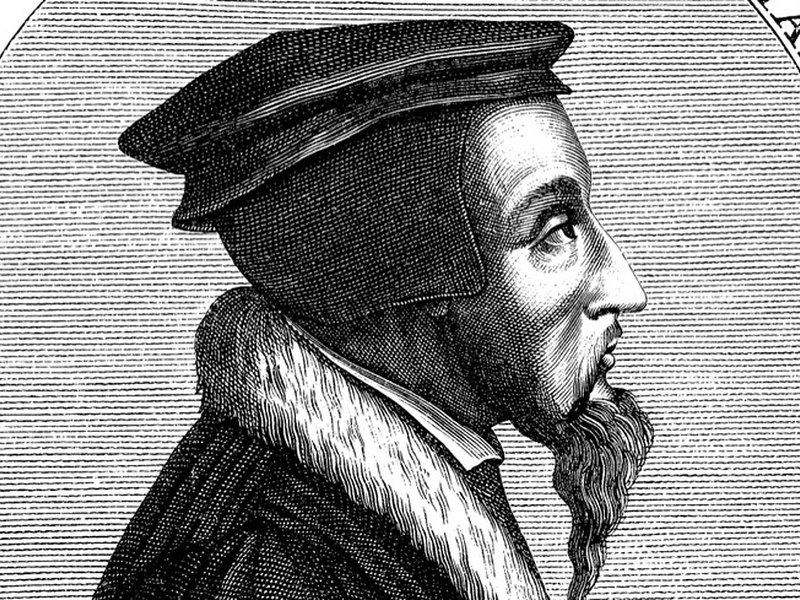
Book 4 of Calvin’s Institutes of the Christian Religion is a classic work of ecclesiology. This book is the longest section of the Institutes , showing Calvin’s deep interest in and love for the church. Among its many salutary features is a full scale exposition of those ecclesiastical leaders Calvin…

by Rich LuskJune 5, 2004

Showing page 224 of 309

See all

Showing page 39 of 43

See all
heavenly-city

The End

The third vision of the Apocalypse takes place in the wilderness, where Jesus unveils Babylon, the harlot city that drinks the blood of the saints. This is the thing that will shortly take place: The beast that carries Babylon is going to turn on her and destroy her. This third…

January 23, 2019
thomas-aquinas
Philosophy

Philosophia Negativa

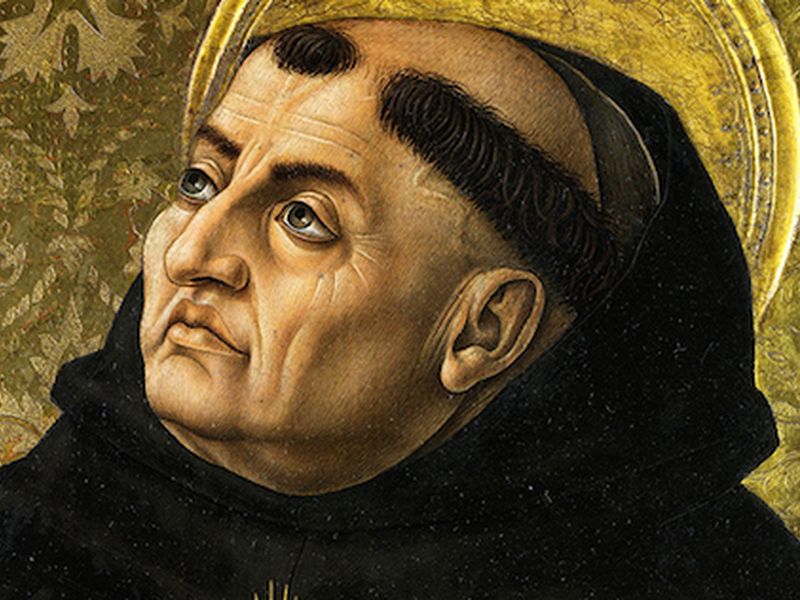
Thomas Aquinas is known for his negative theology: "We are not capable of knowing what God s, but we can know what He is not" (ST, I, 3, prologue). His negative philosophy is less well known, but Josef Pieper argues ( The Silence of Saint Thomas ) that this is…

January 21, 2019
Uncategorized

Time To Go

This is my last blog post at Patheos. In the future, I will post now and then at TheopolisInstitute.com . Look for me there.

January 15, 2019

Tamar the Righteous

Some observations about the story of Tamar and Judah, recorded in Genesis 38, inspired by a lively discussion of the narrative at the Theopolis Regional Course in Dallas last weekend. 1) The chapter has a chiastic structure: A. Judah’s family, vv 1-5: take wife and conceive; births; replacement of firstborn…

January 14, 2019
Philosophy

Theology's Handmaid, Again

Steve Duby objects to my brief set of warnings about the uses of philosophy in theology. I suppose I've said ill-considered things about philosophy or some philosopher in some of my writing. But this post was, in my judgment, generous in spirit, moderate in its claims, and modest in its…

January 11, 2019
Trinity

The Hidden One

In a chapter on "Nicene metaphysics" in The Hidden and the Manifest , David Bentley Hart explains the radical differences between the Plotinian metaphysics and the metaphysics implicit in early Trinitarianism. The article turns on the dynamics of hiddenness and manifestation. Plotinus's ultimate principle, "the One," cannot reveal itself. It…

January 9, 2019

Showing page 49 of 2212

Browse by Category

In Medias Res

Your weekly digest for all things Theopolis.

Donate

Theopolis is nearly 100% donor-supported. Consider joining us on our mission.