Theopolis Logo

Writing

Explore our collection of theological essays, biblical studies, and reflections on faith and culture.

See all
screen-shot-2021-06-03-at-8-49-15-am
Ezra

Ezra: The Aaronic Rest-Giver

If you’re a preacher looking for good commentaries on Ezra, you’ll struggle. Certainly to find ones that wrestle in good detail with the text. And certainly ones that don’t cost you an arm and a leg. There’s a good bit more for Nehemiah, which is odd, as the two are…

by Rhys LavertyJune 8, 2021

christian-lue-k1e6994p3t8-unsplash
1 John

1 John in Community

Quick thought experiment: try to pretend you’ve never read 1 John before. Read 1:1-6. Go ahead; I’ll wait. Now, on to v. 7: “But if we walk in the light as He is in the light, we have fellowship with ______….” What word would you expect in that blank, based…

by Tim NicholsJune 1, 2021
noahs-ark-genesis
Hermeneutics

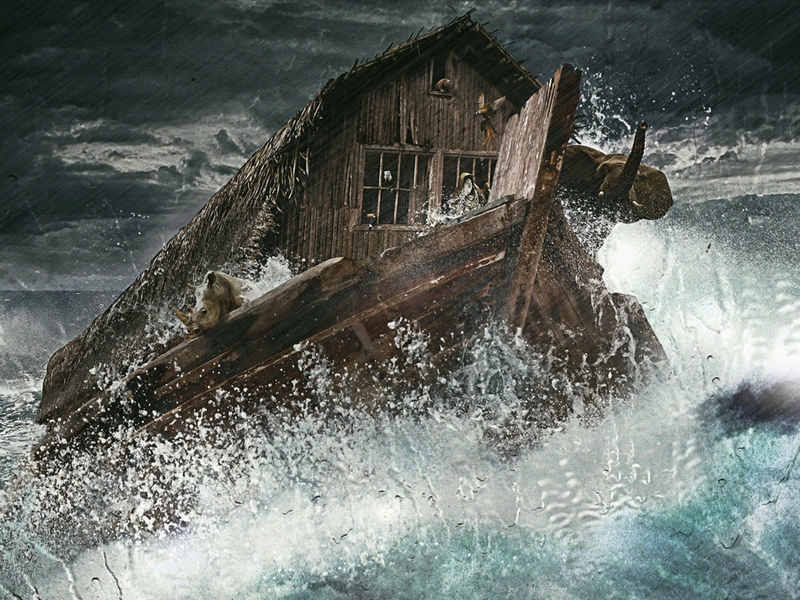
Spending Time with Noah: Reflections on Prepositions in the Flood Narrative

In my work as a Bible translator, I was recently checking our translation team’s draft of Genesis 8:8, which says of Noah (translating the Hebrew quite literally): And he sent out the dove from with him to see: had the waters lessened from upon the face of the ground? Part…

by Josh JensenMay 25, 2021
86758
Philosophy

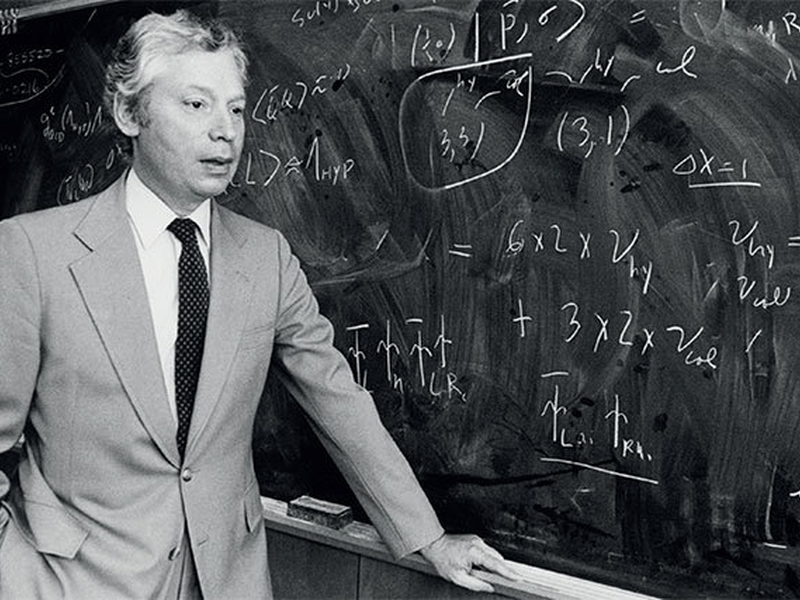
Steven Weinberg Destroyed My Faith

Just in case a reader may not know Weinberg, he is a theoretical physicist and the winner of the Nobel prize in physics in 1979, as well as countless other prizes for his research. He is also a prolific, lucid, and captivating writer. If you want to read something on…

by Ralph Allan SmithMay 18, 2021
screen-shot-2020-09-17-at-9-11-45-am
Colossians

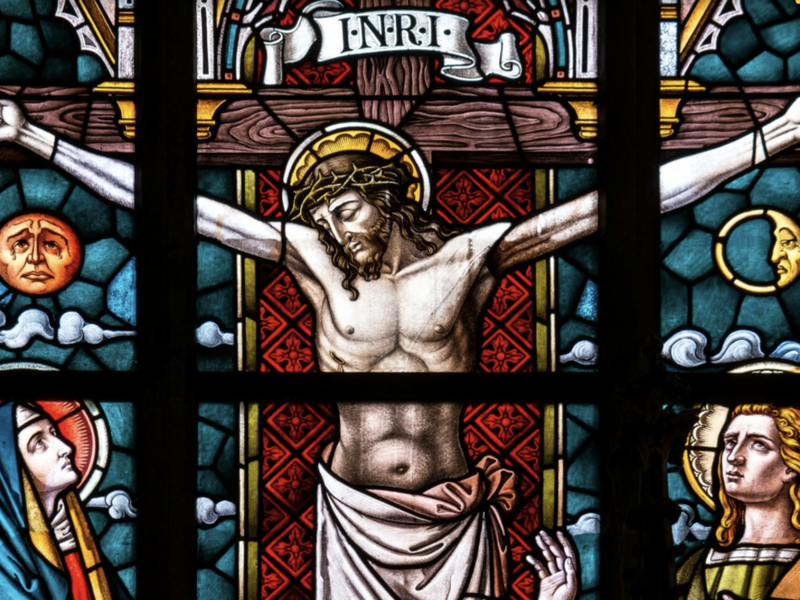
Reconciliation in Colossians 1:20

Colossians 1:15-20 is a famous passage in Paul’s epistles because it is a succinct and powerful poem. It appears even to have been a hymn. Given the uniquely Pauline language — “reconciliation” is a term used only by Paul — it should not seem odd to attribute the poem/hymn to…

by Ralph Allan SmithMay 11, 2021
stalker_still
Movies

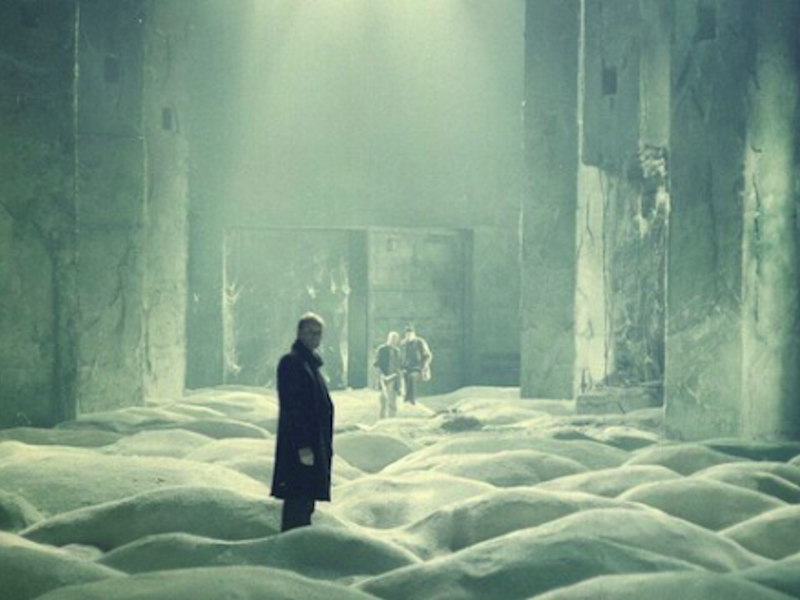
Terror of Knowing Myself

Stalker (1979) is a film by Andrei Tarkovsky based on Roadside Picnic by the Strugatsky brothers. It shows a day from the life of a stalker, a man who enters the so-called "Zone", an Alien landing site, where he leads people to a room that grants people’s innermost desires, which…

by Bogumil JarmulakMay 4, 2021

Showing page 55 of 309

See all

Showing page 39 of 43

See all

Sharing death

Matthias Grebe’s Election, Atonement, and the Holy Spirit is an impressive piece of work. Grebe is as much at home in Barth and Barthian scholarship as in Leviticus and Old Testament scholarship, and the driving question of his book has to do with dogmatic logic that connects election and atonement…

December 1, 2014

The Thunder-Spirit

John eats a book from an angel and is told to prophesy (Revelation 10:10-11). But the angel doesn’t commission him as prophet. Rather, “ they said, ‘You must prophesy’” (v. 11). Who are they? The nearest plural speakers are the thunders (10:3-4). It seems that the seven thunders commission John…

December 1, 2014

Elemental Life

After reviewing Greek texts that describe the “strife of the elements,” Eduard Schweitzer summarizes the grim world of the ancients: He stresses “how widespread the conviction was that the four elements, though originally in a harmony of equilibrium, were continually threatening the existence of the world by their ‘mighty strife’…

December 1, 2014

Purity, Life, Death

Fernando Belo’s summary of the symbolic system of purity ( A Materialist Reading of the Gospel of Mark , 38-9) is a bit too schematic, but still illuminating. He sees two overlapping systems in the Pentateuch: one of pollution/contagion and one of debt. I focus on the first. Israel’s “symbolic…

November 26, 2014

Hope of Heaven and Earth

Struggling to articulate the cosmic deliverance of Romans 8, Stanislas Breton ( A Radical Philosophy of Saint Paul , 116-7) writes that “heaven and earth . . . are traversed by a visceral yearning orienting them toward and subordinating them to another kingdom, one that is more than human precisely…

November 26, 2014

Hero-less

The incomparable Martin Hengel begins The Atonement with a question: Did Greco-Roman culture have categories to understand Jesus’ death as an expiatory sacrifice? He answers with a dense Hengelian catalog of mythic and historical instances of the apotheosis of heroes, death for the fatherland, death for the truth, expelled pharmakoi…

November 26, 2014

Showing page 493 of 2212

Browse by Category

In Medias Res

Your weekly digest for all things Theopolis.

Donate

Theopolis is nearly 100% donor-supported. Consider joining us on our mission.